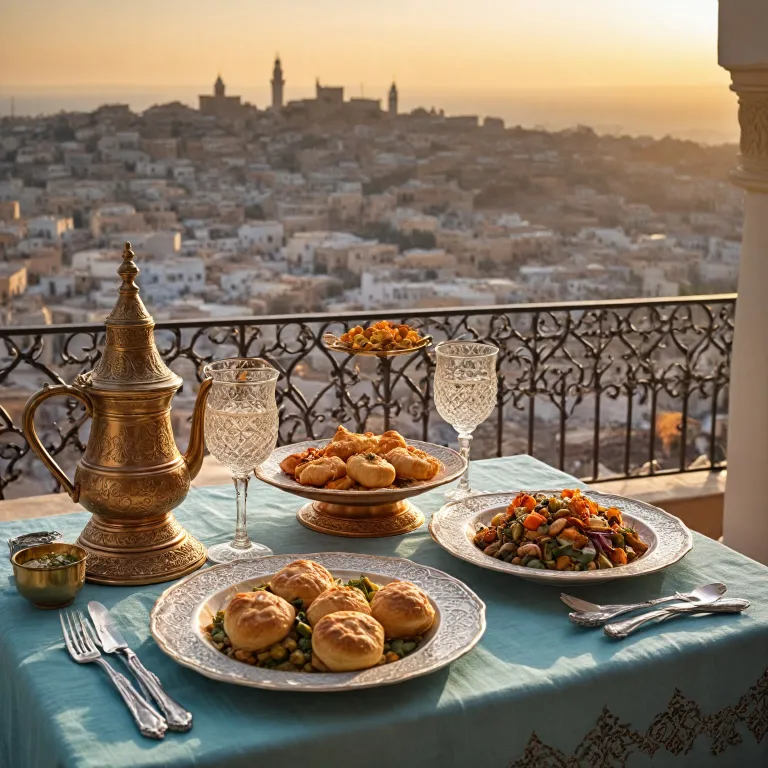
The cuisine of Algeria as a gateway to refined travel
The cuisine of Algeria shapes how many travelers experience the country. In luxury and premium hotels, algerian cuisine becomes a refined narrative that connects history, comfort, and attentive service. For guests planning a stay, understanding this food culture helps transform a simple booking into a meaningful culinary journey.
Rooted in Berber communities, algerian food began with grains, vegetables, and simple meat preparations. Arab traders later enriched this cuisine with spices and new cooking methods, while Ottoman influences added layered dishes and pastries to the evolving table. French colonizers then introduced European techniques and bread culture, creating a subtle tension and harmony between rustic dishes and polished service.
Today, travelers encounter this layered heritage in hotel restaurants across Algeria. In Algiers and coastal cities, chefs highlight north African flavors with modern plating, while still respecting traditional algerian recipes. In desert lodges near the Sahara Desert, menus often emphasize slow cooked meat, vegetables, and bread, echoing nomadic traditions.
For many guests, couscous is the first dish Algeria presents as its national dish. This emblematic algerian dish is usually served with lamb or chicken, seasonal vegetables, and fragrant spices, often finished with a drizzle of olive oil. It is commonly eaten during family gatherings, yet premium properties now offer tasting menus where several couscous dishes appear in elegant, smaller portions.
When you compare algeria food in city hotels and remote retreats, the contrasts are fascinating. Urban properties may highlight lighter dishes with lemon juice and fresh herbs, while desert stays favor hearty stews and grilled meat. Both approaches reveal how algerian dishes adapt to climate, geography, and the expectations of international travelers.
Traditional Algerian flavors in premium hotel dining rooms
In high end properties, traditional Algerian flavors are carefully framed for discerning guests. Chefs curate a list of emblematic algerian dishes, then refine textures, portion sizes, and presentation for a luxury environment. This balance allows travelers to enjoy authentic algerian food while still feeling the sophistication expected from premium hospitality.
Starters often feature chorba frik, a comforting soup that many consider essential in algerian cuisine. In luxury hotels, this dish Algeria is elevated with clarified broths, tender lamb, and precisely cooked vegetables, yet it remains deeply traditional. The soup is usually served with fresh bread, sometimes a crusty french style loaf alongside a softer local flatbread.
Main courses highlight the central role of meat and vegetables in algeria food. Slow cooked lamb with tomato sauce and ras hanout appears frequently, accompanied by couscous or other grains. These dishes are commonly eaten by locals, but hotel chefs may reduce the richness slightly, using measured amounts of olive oil and carefully balanced spices.
Guests interested in exclusive dining experiences can explore how luxury booking platforms curate these options. When researching where to stay, look for properties promoted for elevated gastronomic experiences in Algerian hotels. These hotels usually highlight traditional Algerian menus, tasting journeys through algerian dishes, and wine free pairings built around mint tea and fresh juices.
Desserts and lighter plates often reflect the french influence on algerian cuisine. You may find pastries inspired by European techniques, yet filled with north African nuts, honey, and spices. This fusion respects the country’s culture while meeting the expectations of travelers accustomed to refined hotel patisserie.
Throughout these meals, the cuisine of Algeria remains the central narrative thread. Even when chefs reinterpret a traditional Algerian dish, they keep the flavors grounded in local produce and regional techniques. For travelers, this creates a dining experience that feels both comfortably international and unmistakably algerian.
Couscous, lamb, and the national dish in luxury settings
For many visitors, the cuisine of Algeria begins with couscous and lamb. In luxury hotels, this national dish is treated with particular respect, often forming the centerpiece of curated tasting menus. Couscous is considered the national dish of Algeria.
Chefs in premium properties usually steam the grains several times to achieve a light, airy texture. The couscous is then served with tender lamb or other meat, vegetables, and a fragrant broth enriched with tomato sauce and spices. This dish Algeria reflects both Berber roots and later influences from Arab traders and the Ottoman Empire.
In some hotels, guests can choose from a list of couscous variations. One version might highlight vegetables and olive oil for a lighter plate, while another emphasizes rich meat and deeper spices like ras hanout. These options allow travelers to experience both traditional Algerian flavors and more contemporary interpretations.
Lamb remains a central meat in algerian cuisine, especially in festive dishes. In luxury dining rooms, lamb is often slow cooked until it falls from the bone, then paired with couscous, grilled vegetables, or flatbread. Such dishes are commonly eaten during celebrations, yet hotels present them in portions suited to multi course meals.
Many menus also feature other algerian dishes built around meat and vegetables. Stews with tomato sauce, chickpeas, and seasonal produce reflect the north African climate and the importance of local agriculture. These plates show how algerian food can be both hearty and elegant when framed within a premium hotel context.
For travelers comparing properties across Algeria, attention to couscous and lamb can be a useful indicator. Hotels that treat this national dish with care usually demonstrate a broader respect for traditional Algerian cooking. This care often extends to breakfast, snacks, and even room service menus featuring regional specialties.
From algerian breakfast to street food reinterpretations
Understanding the cuisine of Algeria in hotels also means looking beyond dinner. An algerian breakfast in a luxury property often combines local traditions with international expectations for variety and comfort. Guests can usually choose between continental options and a more traditional Algerian spread.
A typical algerian breakfast may include fresh bread, flatbread stuffed with cheese or vegetables, and small dishes of olive oil and honey. Some hotels add eggs, grilled meat, and lightly spiced vegetables, creating a substantial start to the day. These foods are commonly eaten by locals, yet presented with the polished service expected in premium hospitality.
Street food also finds its way into refined hotel menus across Algeria. Chefs reinterpret popular Algerian snacks, transforming them into elegant small plates for lounges and poolside dining. A flatbread stuffed with meat or vegetables might be served in miniature form, paired with mint tea or fresh juices.
In coastal cities and near the Sahara Desert, properties adapt these ideas to local tastes and climate. Lighter dishes with lemon juice, herbs, and grilled vegetables suit warmer days, while heartier street food inspired plates appear in cooler evenings. This flexibility shows how algerian cuisine can move easily between casual and refined contexts.
For travelers, these offerings provide a gentle introduction to algeria food without leaving the comfort of the hotel. Guests who are new to north African flavors can sample small portions of traditional Algerian snacks before exploring local markets. Over time, this builds confidence to try more complex algerian dishes outside the property.
By integrating breakfast traditions and street food into their menus, luxury hotels create a continuous culinary narrative. Every meal, from morning to late evening, reflects the broader culture and history of algerian cuisine. This approach turns the hotel stay itself into a curated tasting journey through Algeria.
Spices, olive oil, and the sensory identity of Algerian cuisine
The sensory identity of the cuisine of Algeria rests heavily on spices and olive oil. In luxury and premium hotels, these ingredients are treated as signature elements that define the guest experience. Common ingredients include semolina, lamb, chicken, olive oil, vegetables, and a variety of spices.
Ras hanout, a complex north African spice blend, appears in many algerian dishes. Chefs use it to season meat, enrich tomato sauce, and perfume couscous, adjusting intensity for international palates. Alongside ras hanout, cumin, coriander, and paprika help create the warm, layered flavors associated with algerian cuisine.
Olive oil is another cornerstone of algeria food, especially in coastal regions. Premium hotels often highlight single origin oils from local producers, serving them with bread at the beginning of the meal. This simple gesture introduces guests to the agricultural side of Algerian culture and its connection to everyday food.
Lemon juice and fresh herbs bring brightness to many traditional Algerian plates. In refined dining rooms, chefs use these elements to balance richer meat dishes and stews. The result is a cuisine that feels both comforting and vibrant, even when dishes are slow cooked or generously served.
Mint tea plays a central role in the sensory experience of algerian food. Served hot and sweet, it often concludes meals or accompanies light snacks and pastries. In luxury hotels, mint tea service can become a small ceremony, reinforcing the link between hospitality, culture, and cuisine.
For travelers, paying attention to these details deepens appreciation of algerian cuisine. The way spices are handled, the quality of olive oil, and the presence of mint tea all signal how seriously a property treats its culinary identity. This awareness helps guests choose hotels that align with their interest in authentic, yet refined, Algerian dining.
Regional influences, the Sahara Desert, and wellness focused stays
Regional diversity strongly shapes the cuisine of Algeria, and luxury hotels increasingly reflect this in their menus. Properties near the Sahara Desert, for example, tend to emphasize slow cooked meat, robust stews, and bread baked in traditional ovens. These dishes are commonly eaten in local communities, then refined for guests seeking comfort after desert excursions.
In contrast, coastal hotels in Algiers and other cities often highlight lighter algerian dishes. Menus may feature grilled fish, vegetables, and salads dressed with olive oil and lemon juice, echoing Mediterranean influences. This regional variation allows travelers to experience multiple expressions of algerian cuisine within a single trip.
Wellness focused stays are also shaping how algeria food appears in premium properties. Some hotels integrate traditional Algerian ingredients into balanced menus, emphasizing vegetables, grains, and moderate portions of meat. Guests can enjoy couscous, chorba frik, and other traditional Algerian plates prepared with careful attention to nutrition.
Travelers interested in spa and wellness programs can look for properties highlighted for luxury hotels in Algeria offering spa and culinary experiences. These hotels often pair treatments with thoughtfully designed meals rooted in algerian food culture. The combination of regional cuisine and wellness services creates a holistic sense of place.
Across Algeria, partnerships with local farmers, spice traders, fishermen, and bakers support this culinary evolution. Hotels that prioritize such collaborations tend to present fresher vegetables, better quality meat, and more expressive spices. For guests, this translates into algerian dishes that feel both authentic and aligned with contemporary expectations for sustainability.
As interest in traditional Algerian cooking grows globally, premium hotels play a key role in presenting it to international travelers. By respecting regional differences, from coastal cities to the Sahara Desert, they help preserve culinary heritage while offering modern comfort. This approach strengthens the connection between luxury travel, culture, and the evolving identity of algerian cuisine.
Practical tips for booking Algerian hotels with exceptional cuisine
When planning a trip, travelers can use the cuisine of Algeria as a key criterion for choosing hotels. Start by examining how prominently algerian cuisine appears in the property’s restaurant descriptions and sample menus. Hotels that highlight traditional Algerian dishes usually invest more seriously in culinary quality.
Look for references to couscous, chorba frik, and other popular Algerian specialties in both singular and plural forms. A detailed list of dishes, including meat based plates, vegetable focused options, and bread varieties, suggests a thoughtful approach. Pay attention to mentions of olive oil, spices such as ras hanout, and regional ingredients from north African markets.
Guests who value cultural immersion should also consider how hotels present algerian breakfast options. Properties that offer flatbread stuffed with cheese or vegetables, mint tea, and local pastries demonstrate respect for everyday algeria food. This attention to morning meals often extends to lunch and dinner, where traditional Algerian and french influenced dishes share the menu.
Reading guest reviews can help confirm whether algerian dishes are commonly eaten and appreciated by international visitors. Look for comments about the quality of meat, vegetables, and tomato sauce based stews, as well as the overall balance of spices. Positive feedback about both traditional Algerian plates and more contemporary cuisine indicates a well managed kitchen.
Finally, consider how the hotel’s location shapes its culinary offerings across Algeria. Properties near the Sahara Desert may excel in hearty stews and grilled meat, while coastal hotels might focus on lighter dishes with lemon juice and fresh herbs. By aligning your preferences with these regional strengths, you can experience algerian food at its most expressive.
With careful research, the cuisine of Algeria becomes more than a pleasant surprise during your stay. It turns into a guiding thread that helps you select hotels, plan meals, and engage more deeply with the country’s culture. In this way, every booking decision supports a richer, more flavorful journey through Algerian hospitality.
Key figures about Algerian food and agriculture
- Percentage of daily calories from cereals in Algeria : 59 %.
- Percentage of daily protein from cereals in Algeria : 70 %.
- Revenue in the food market in Algeria : 19.47 billion USD.
Questions travelers often ask about Algerian cuisine
What is the national dish of Algeria ?
Couscous is considered the national dish of Algeria. In many luxury and premium hotels, this dish is served with lamb, vegetables, and aromatic broth, often presented in refined portions. Travelers will frequently find couscous featured on tasting menus and special regional evenings.
What are common ingredients in Algerian cuisine ?
Common ingredients include semolina, lamb, chicken, olive oil, vegetables, and a variety of spices. These elements appear in everyday algerian food as well as in elevated dishes within premium hotels. Their versatility allows chefs to create both traditional Algerian plates and lighter, wellness oriented options.
How has French colonization influenced Algerian cuisine ?
French colonization introduced European elements such as the use of baguettes and certain pastries. In contemporary hotel restaurants, guests often see french style bread and desserts alongside traditional Algerian dishes. This combination reflects the layered history of Algeria and enriches the overall dining experience for travelers.