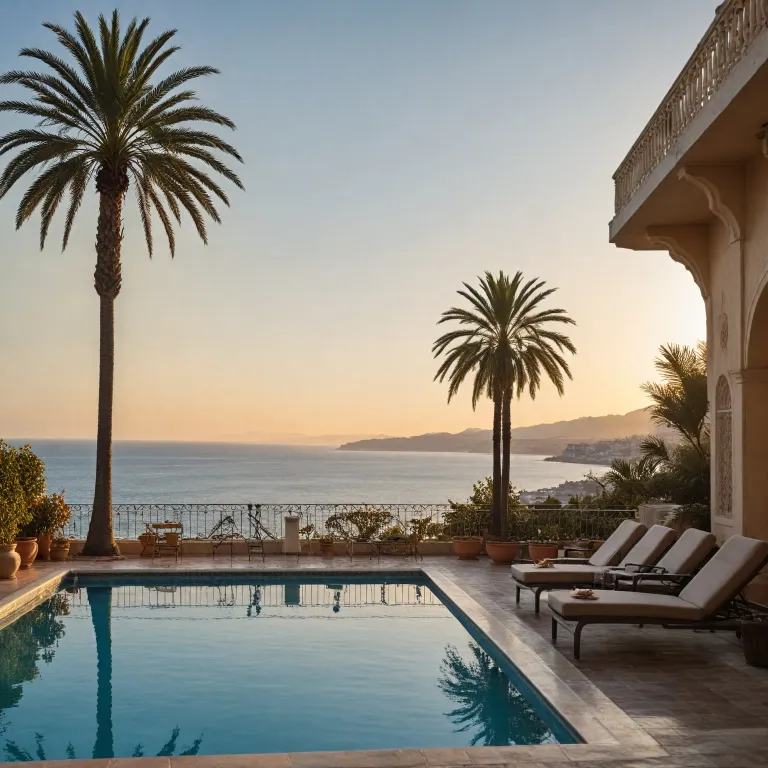
Algeria Oran city as a rising luxury coastal destination
Algeria Oran city stands on the Mediterranean Sea as a vibrant crossroads. The city blends layers of algerian history with a growing portfolio of premium hotels that now attract discerning travelers, especially those seeking refined stays beyond the capital city of Algiers. In this coastal city, luxury is shaped by the original mix of Andalusian merchants, Spanish forces, Ottoman rulers, and the French colonial administration, each leaving architecture, rituals, and urban patterns that frame today’s high end experiences.
Oran is a major city in northwestern Algeria, with a metro area population approaching one million residents and a dynamic urbanization rate that supports new hospitality projects. The city center stretches from the historic port and old city areas toward modern districts where international style hotels, premium residences, and upscale restaurants are concentrated, giving travelers multiple options for a luxury stay in Oran Algeria. Many visitors choose accommodation near the city center to stay close to the waterfront, the great mosque, and cultural venues where rai music and contemporary algerian art coexist in a lively atmosphere.
The history of Oran city began in the 10th century when Andalusian merchants founded a trading post that quickly became a strategic port for North Africa. Over the following century and beyond, the city experienced Spanish occupation, Ottoman rule, and later French control, each period shaping the urban fabric that travelers explore today in both the old city and newer areas. When you book a premium hotel in city Oran, you are not only reserving a room ; you are entering a layered narrative that connects the Mediterranean Sea, regional trade routes, and the long struggle that culminated in Algerian independence.
Historic neighborhoods and how they shape premium hotel choices
Understanding the historic neighborhoods of Algeria Oran city helps travelers choose the right luxury hotel for their stay. Around the port, the original commercial heart of Oran Algeria, you still feel the influence of Andalusian merchants and later Spanish forces who fortified the waterfront and controlled maritime trade. Today, several premium hotels overlook this area, allowing guests to watch ferries, fishing boats, and cargo ships move across the Mediterranean Sea while remaining close to the city center and its main cultural attractions.
In the old quarter of Sidi Houari, narrow streets, stairways, and historic houses reflect centuries of algerian life shaped by Ottoman and French urban planning. This area is not yet filled with luxury hotels, but it strongly influences the design language of new premium properties in the wider city, which often reference Ottoman arches, French façades, and traditional algerian motifs. Travelers who value authenticity may prefer hotels that offer guided walks through Sidi Houari and the surrounding city center, combining high comfort with curated access to Oran’s history.
Many visitors compare their stay in city Oran with experiences in the capital, especially when they research where to stay in Algiers for a luxury experience, and this comparison helps them evaluate service standards and amenities. As the metro area population grows and urbanization accelerates, developers are investing in high end hotels that connect the historic city with modern business districts, giving guests easy access to both the port and administrative center. For travelers who appreciate context, choosing a hotel that frames views of the great mosque, the Sacré Coeur church, or the waterfront allows them to feel how the city of Oran Algeria has evolved from a fortified port into a cosmopolitan hub of North Africa.
Architectural landmarks near luxury hotels in Oran
Many of the most appealing luxury hotels in Algeria Oran city sit within easy reach of its major architectural landmarks. The great mosque, sometimes called the grand mosque of Oran, stands as a powerful symbol of algerian faith and resilience, and several premium properties position their suites to capture partial views of its minaret and surrounding city area. Nearby, the Sacré Coeur church, a legacy of the French colonial administration, offers a contrasting architectural style that fascinates travelers who appreciate the layered religious history of Oran city.
On the hills above the city center, the fort Santa Cruz dominates the skyline and remains one of the most iconic sites in Oran Algeria. This fortress, often referred to as Fort Santa by locals, was built during the Spanish period and later modified under Ottoman and French control, giving it a complex history that mirrors the city itself. Many luxury hotels organize private excursions to Fort Santa Cruz, allowing guests to enjoy panoramic views of the Mediterranean Sea, the port, and the wider city Oran area while learning about the wars and sieges that once defined this strategic stronghold.
Within the urban fabric, the Bey Palace and the Ahmed Zabana museum provide further cultural anchors for travelers staying in premium hotels. The Bey Palace reflects Ottoman architectural traditions adapted to algerian tastes, while the Ahmed Zabana museum highlights the struggle for independence and the role of Oran in modern Algerian history. Travelers who enjoy combining coastal relaxation with cultural depth often compare these experiences with refined elegance in other regional destinations, such as a stay in Casablanca luxury hotels, and they appreciate how Oran French architecture, Ottoman relics, and contemporary algerian design coexist within walking distance of their chosen hotel.
Culture, rai music, and nightlife around the city center
Algeria Oran city is widely recognized as the cradle of rai music, and this cultural heritage shapes the atmosphere around many premium hotels. In the city center, travelers can hear contemporary rai music in lounges, rooftop bars, and select venues that maintain high service standards while celebrating local creativity. One of the most emblematic places associated with this musical movement is Disco Maghreb, a historic label and gathering point that has recently attracted renewed international attention and now forms part of many curated cultural itineraries for guests staying in luxury properties.
Nightlife in Oran city ranges from elegant hotel bars to vibrant clubs in the wider urban area, giving visitors multiple ways to experience the city after sunset. Some high end hotels collaborate with local artists and DJs to host events that highlight rai music, algerian fusion sounds, and North Africa’s evolving cultural scene, ensuring that guests can enjoy authentic performances without compromising comfort or safety. These experiences often take place in spaces that frame views of the port, the city center, or the hills leading up to Fort Santa Cruz, reminding visitors of the deep connection between Oran’s geography and its artistic identity.
For travelers planning a broader itinerary across North Africa, Oran Algeria can be combined with other premium destinations such as the Sahara oases or coastal cities in neighboring countries. Those interested in desert luxury often consult guides to oasis elegance for luxury stays in the Sahara Desert, which complement the maritime character of city Oran and highlight the diversity of algerian landscapes. By alternating nights in the city algeria coastal environment of Oran with stays in inland or desert regions, travelers gain a more complete understanding of how algerian culture, history, and hospitality standards vary across different areas while remaining connected by shared traditions and a common language of welcome.
War, memory, and heritage sites around Oran
The strategic position of Algeria Oran city on the Mediterranean Sea has made it a focal point for conflict and defense, and this legacy still shapes the visitor experience. The port of Oran and the nearby base of Mers El Kébir played crucial roles in regional naval history, including dramatic episodes during the war that continue to resonate in algerian and international memory. Travelers staying in premium hotels often join guided tours that explain how these events affected the city, its population, and the subsequent development of Oran French and algerian infrastructure along the coastline.
Heritage sites such as Fort Santa Cruz, the Bey Palace, and various Ottoman era structures illustrate how different powers sought to control the city and its surroundings. Many of these buildings were originally built for military or administrative purposes, yet they now serve as cultural landmarks that attract visitors from across North Africa and beyond. Luxury hotels increasingly integrate these narratives into their guest experiences, offering curated excursions, private guides, and in house exhibitions that contextualize the city’s history from the 10th century through Spanish, Ottoman, and French periods to modern Oran Algeria.
Within the city center, memorials and museums such as the Ahmed Zabana institution highlight the human cost of conflict and the resilience of the algerian people. When travelers walk from their hotel through the urban area toward these sites, they move through streets that reflect both colonial planning and post independence development, revealing how city Oran has adapted to demographic growth and changing economic priorities. By engaging with this heritage respectfully, visitors contribute to a more nuanced understanding of city algeria and help ensure that the stories of Oran’s past remain visible alongside its emerging reputation as a refined coastal destination.
Practical tips for booking luxury hotels in Oran Algeria
When planning a stay in Algeria Oran city, travelers should first consider which area best matches their priorities. Those who value easy access to the port, the city center, and major landmarks such as the great mosque or Sacré Coeur often choose hotels near the historic core, where walking distances are short and public transport options are plentiful. Others may prefer newer districts slightly away from the densest urban fabric, where some premium properties offer larger rooms, modern facilities, and expansive views over the Mediterranean Sea and the wider city Oran skyline.
It is helpful to review how each hotel integrates local culture, whether through references to rai music, curated visits to Sidi Houari, or partnerships with institutions like the Ahmed Zabana museum. Some properties emphasize the Ottoman and Spanish heritage of Oran Algeria through interior design inspired by the Bey Palace or Fort Santa Cruz, while others highlight contemporary algerian art and gastronomy that reflect the city’s current creative energy. Travelers should also pay attention to how hotels manage guest services in both French and Arabic, and sometimes Spanish, since Oran French influences remain strong and multilingual staff can greatly enhance the overall experience.
Finally, consider combining your stay in city algeria with time in other destinations such as Algiers or desert oases to appreciate the full diversity of North Africa. Many visitors research refined hotel options in the capital before or after their time in Oran, using this comparison to evaluate value, service, and location across different cities. By booking thoughtfully and engaging with the layered history that takes place in every district, from the original port to the modern city center, travelers can enjoy a luxury stay in Oran that feels both comfortable and deeply connected to the algerian story.
Key statistics about Oran and its urban development
- Current metro area population of Oran is approximately 983 000 people, reflecting steady growth in recent decades.
- Population in the mid twentieth century was around 268 935 people, indicating significant long term urban expansion.
- The population growth rate between recent years has been measured at about 1.76 percent, supporting continued development of hospitality infrastructure.
Questions travelers often ask about Algeria Oran city
What is the current population of Oran and why does it matter for travelers ?
As of the most recent data, the metro area population of Oran is approximately 983 000 people, which positions the city as a major urban center in Algeria. For travelers, this scale means a wide range of services, from luxury hotels and fine dining to cultural institutions and transport connections. The size of the city also supports a diverse nightlife and event calendar, giving visitors many options during their stay.
What are some key historical events that shaped Oran’s identity ?
Oran’s history includes its founding in the 10th century by Andalusian merchants, followed by periods of Spanish and Ottoman rule, French colonial occupation, and finally Algerian independence. Each of these phases left visible traces in the city’s architecture, street layout, and cultural institutions, which travelers can explore through guided tours and museum visits. Understanding this timeline helps visitors appreciate how the city evolved from a fortified port into a modern coastal hub with a growing luxury hospitality sector.
Which attractions should luxury travelers prioritize during a short stay ?
Luxury travelers with limited time in Oran should focus on the historic waterfront and port area, the old city sections around Sidi Houari, and key landmarks such as Fort Santa Cruz, the great mosque, Sacré Coeur, the Bey Palace, and the Ahmed Zabana museum. These sites offer a balanced view of religious, military, and civic history while remaining accessible from most premium hotels in the city center. Complementing these visits with an evening of rai music or a stop at Disco Maghreb provides a memorable connection to Oran’s contemporary cultural life.