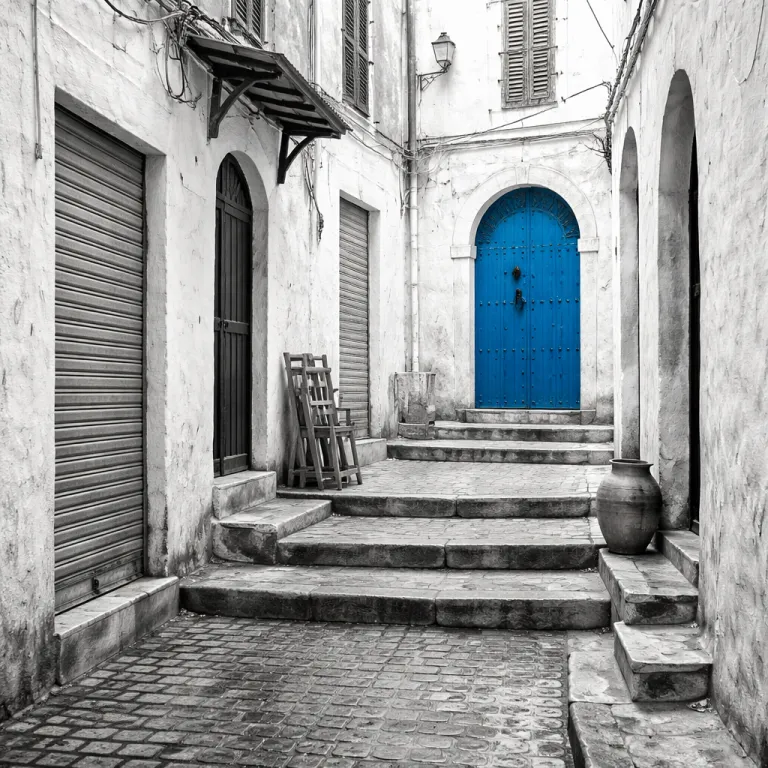
Casbah Algiers visit for couples who linger after sunset
A Casbah Algiers visit changes character once the cruise buses leave. As the light softens over the Bay of Algiers, the city exhales and the old citadel becomes a lived-in Algerian quarter again, not just a UNESCO World Heritage headline. Couples who stay in premium hotels along the waterfront will find that the most beautiful moments unfold in these quiet hours.
From the upper terraces, Algiers’ outstanding amphitheatre of whitewashed houses built on the hillside feels almost theatrical. The Casbah, officially on the UNESCO World Heritage List, rises above the French colonial boulevards like a layered stage set, its narrow streets folding into one another in a maze that rewards patience. This is where a Casbah Algiers visit becomes less about ticking a place to visit and more about understanding how an Algerian city breathes after day visitors go home.
UNESCO describes the area in clear terms: “Explore the Casbah's narrow alleys, Ottoman palaces, and mosques.” That single sentence captures the essence of the historic quarter, but it barely hints at the sound of Chaabi music drifting from a café or the smell of grilled sardines curling through the night air. For couples staying in luxury properties, Algiers will feel both cosmopolitan and deeply rooted in North Africa, especially when your guide leads you through the upper lanes by lamplight.
Many travelers compare Algiers with cities in Morocco or Tunisia, yet the Casbah stands apart. Unlike a Moroccan medina shaped by trading-post traffic from Morocco–Tunisia routes, this hilltop stronghold grew as an Ottoman-style fortress facing the sea and defending Algeria. A thoughtful wander through the old city reveals how houses built against one another, mosques, and palace complexes formed a single urban organism rather than a collection of tourist sights.
From Martyrs’ Square at the lower edge, the first impression can feel chaotic. Algerian flags snap in the breeze, trams on Line 1 glide past French colonial façades, and the climb into the kasbah begins with a steep set of steps that quickly narrows into alleys barely two people wide. Give yourself at least a day or two days in Algiers so your time in the historic quarter is not rushed between airport transfers and hotel check-in.
Rooftops, Chaabi nights and artisan workshops in the kasbah
Once the sun dips, a Casbah Algiers visit shifts from sightseeing to intimacy. Rooftop terraces above the old town open onto a panorama where the city curves around the bay, the whitewashed houses built in tiers catching the last light like a vast amphitheatre. From here, Algiers will feel almost suspended between North Africa and the open Mediterranean, with the call to prayer rising from every mosque below.
Inside the kasbah, artisan workshops still operate behind discreet doors along the narrow streets. Copperworkers hammer trays in rhythms that echo Chaabi music, woodcarvers restore Ottoman-style ceilings in old palace interiors, and embroiderers stitch Algerian motifs destined for weddings across Algeria. A good local guide will know which doors to knock on during your Casbah Algiers visit, turning what looks like a closed wall into a living museum of crafts.
Many of these workshops occupy parts of former trading-post complexes that once linked Algiers with Morocco and Tunisia across the sea. While the Morocco–Tunisia routes now belong mostly to airlines and ferries, the memory of that commerce lingers in the layout of the kasbah, where storage rooms, courtyards, and small mosque spaces cluster around shared wells. Couples interested in culture should plan at least one day focused entirely on this side of the Casbah, leaving beach time or a Sahara extension, such as a refined stay in Djanet’s oasis lodges described in this guide to luxury stays in the Sahara desert, for later in their Algeria itinerary.
As night deepens, ask your guide about Chaabi sessions in the upper kasbah. Some cafés host informal gatherings where musicians play for neighbors rather than tourists, and an evening in these streets will stay with you long after departure. One guide describes how an elderly oud player once paused mid-song to explain a verse about exile, then nodded toward the sea as if to underline the point. The music, born in Algiers but shaped by influences from across North Africa, turns the quarter into an open-air salon where couples can sit side by side, mint tea in hand, listening as stories of love and exile unfold in song.
From certain rooftops, you can see the Martyrs’ Memorial glowing above the city, a reminder that this place is not just a picturesque quarter. The martyrs of Algeria’s independence struggle walked these same narrow streets, and many houses built in the Ottoman period later sheltered resistance fighters. That layered history gives any visit here a gravity that balances the romance of lantern-lit alleys and the beautiful geometry of tiled courtyards.
Palaces, mosques and museums that anchor a casbah Algiers visit
For couples who love architecture, a Casbah Algiers visit is anchored by three types of buildings. First come the Ottoman-style palaces, many built century after century as wealthy families expanded their homes around central courtyards. Then there are the mosques, from small neighborhood prayer halls to the grand Ketchaoua Mosque at the lower edge of the kasbah, where Algiers meets the French colonial grid.
Ketchaoua Mosque is essential on any itinerary, not only for its layered history but for its position between eras. Originally built in the early 17th century, it was converted into a church during French rule and reconsecrated as a mosque after independence. The façade reflects both Ottoman style and later French colonial interventions, and the interior reveals how Algerian craftsmen adapted imported influences to local tastes. Step outside and you are back among whitewashed houses built tightly together, their wooden balconies leaning over the narrow streets like theatre boxes.
Several restored palaces now function as small museums, effectively forming a dispersed national museum of urban life in Algiers. The Dar Mustapha Pacha Palace, for example, houses part of the National Museum of Illuminated Manuscripts, Miniatures and Calligraphy, while the Dar Aziza and Dar Khedaouj El Amia palaces showcase traditional interiors. While the official National Museum of Fine Arts sits outside the Casbah in the Hamma district, these palace museums tell a more intimate story of Algeria through carved plaster, painted ceilings, and everyday objects. Time in both palace museums and mosque courtyards gives couples a rounded sense of how faith, family, and trade shaped the city.
Do not miss the views from Ali Pointe, the headland where Algiers curves into the bay and the Casbah crowns the hill above. From this place, the contrast between the French colonial waterfront and the older quarter is striking, with the heritage-list skyline of minarets and domes rising behind modern office blocks. It is here that Algiers will reveal itself as both a working capital of Algeria and a North Africa port whose fortunes once rivaled those of Morocco and Tunisia.
Many luxury travelers pair a Casbah Algiers visit with time in other Algerian cities, using the capital as a cultural prologue. After tracing the narrow streets and palace courtyards here, you might head west for refined stays in a Mediterranean port, using this curated guide to elegant hotels in Oran as a reference. That combination of Algiers, Oran, and perhaps a Saharan oasis gives couples a sense of Algeria as a country where every city offers a different angle on North Africa.
Luxury bases for exploring the casbah and Martyrs’ Square
Choosing the right hotel can transform a Casbah Algiers visit from a rushed excursion into a slow, layered experience. High-end properties along the waterfront place you within a short drive of Martyrs’ Square, the lower gateway to the old city and a symbolic place where Algerian flags, trams, and sea views converge. From these bases, Algiers will feel manageable, even for couples visiting Algeria for the first time.
Many premium hotels now work closely with licensed local tour guides who specialize in the Casbah. These guides understand how to time a visit so you experience the quarter in different moods, from early morning when shopkeepers sweep the narrow streets to late afternoon when families return from the city below. Ask your concierge to arrange a private tour that includes both headline sites and quieter residential lanes where houses built centuries ago are still family homes.
Safety is a common question, especially for couples used to medinas in Morocco or Tunisia. The same basic rules apply in Algiers: wear comfortable shoes, keep valuables discreet, and avoid wandering the kasbah’s most secluded alleys late at night without a guide. Official advice from many embassies remains clear: “Yes, but exercise caution with personal belongings and avoid visiting at night.”
From a logistics perspective, plan at least one full day for the Casbah, with an extra day in Algiers for museums and the seafront. That second day allows time for the National Museum of Fine Arts (Rue Mohamed Belouizdad, Hamma), the Martyrs’ Memorial on the hill above the city, and perhaps a drive out to Ali Pointe for sunset views back over the bay. Couples who enjoy layering experiences can then extend their Algeria journey, using resources such as this insider guide to elegant stays curated for discerning travelers when planning onward legs from Algiers.
Luxury hotels also offer a welcome counterpoint to the sensory intensity of a Casbah Algiers visit. After hours of navigating narrow streets and palace staircases, returning to a calm room with sea views, a spa, or a rooftop bar helps couples process what they have seen. In that rhythm between heritage-list alleys and contemporary comfort, Algiers will show why it is emerging as one of North Africa’s most compelling city breaks.
Restoration, heritage debates and the future of the kasbah
Behind the romance of a Casbah Algiers visit lies a complex restoration story. More than 700 Ottoman-style houses built over centuries now face structural challenges, from humidity to informal alterations made by generations of residents. As Algeria invests in conservation linked to its World Heritage status, debates continue over how to balance daily life with the expectations that come with UNESCO recognition.
Walking through the kasbah, you will see scaffolding on some palace façades and fresh plaster on others. Certain houses built in the Ottoman period have been carefully restored, their whitewashed walls and carved cedar ceilings gleaming, while neighboring buildings still show cracks and improvised repairs. This contrast is part of what makes a visit to the old city feel authentic rather than staged, but it also raises questions about how quickly restoration should proceed.
Local authorities, UNESCO experts, and Algerian architects generally agree on the stakes. The Casbah is not a museum frozen in time; it is a living city quarter where families work, pray in the mosque, and send children down to the modern city for school. Any respectful visit will treat residents as neighbors rather than background scenery, especially when photographing narrow streets or entering shared courtyards.
For couples interested in heritage, asking your guide about current projects can add depth to your tour. Some initiatives focus on training young Algerian craftsmen in traditional techniques so they can work on palace restorations and mosque repairs, keeping skills rooted in Algiers rather than importing expertise from Morocco or Tunisia. Others experiment with digital tools, offering self-guided routes that complement, rather than replace, the knowledge of local guides who grew up in these streets.
Looking ahead, the success of the Casbah as both a neighborhood and a UNESCO World Heritage Site will depend on thoughtful tourism. A Casbah Algiers visit that supports licensed guides (bookable through accredited agencies or hotel concierges), respects prayer times at the mosque, and favors locally owned cafés over anonymous chains helps keep money circulating within the community. In return, Algiers will continue to offer couples an experience that feels both beautiful and grounded, a North Africa city where the past is not a backdrop but a daily reality.
FAQ about planning a casbah Algiers visit
Is it safe to visit the casbah for couples?
A Casbah Algiers visit is generally safe during daylight hours, especially with a licensed local guide. As official advice often states, “Yes, but exercise caution with personal belongings and avoid visiting at night.” Choose central hotels in Algiers, use registered taxis or the city tram where practical, and treat the historic quarter as you would any dense historic city area in North Africa.
Do we really need a guide for the kasbah?
Hiring a guide for your time in the Casbah is strongly recommended, both for safety and for context. Local tour guides registered with the Algerian National Office of Tourism know which narrow streets are residential dead ends, which palace courtyards are open, and when mosque visits are appropriate. They also help couples understand how Algiers’ outstanding history connects with wider Algeria, Morocco, and Tunisia.
How much time should we plan for the casbah and Martyrs’ Square?
Plan at least one full day in Algiers dedicated to the Casbah and Martyrs’ Square, with a second day for museums and the seafront. That first day allows a morning tour of palaces and mosques, a leisurely lunch in the lower city, and an evening rooftop tea overlooking the whitewashed houses built on the hill. A second day lets you visit the National Museum of Fine Arts and the Martyrs’ Memorial without rushing.
What should we wear and bring for a casbah Algiers visit?
Wear comfortable walking shoes, as the kasbah’s narrow streets and staircases can be steep and uneven. Dress modestly out of respect for mosque visits and local customs, especially when passing through residential areas. Bring water, sun protection, and a small bag that keeps valuables close to your body while you explore Algiers.
How does the casbah compare with medinas in Morocco or Tunisia?
A visit to the Casbah of Algiers feels more intimate and less commercial than many medinas in Morocco or Tunisia. The quarter functions primarily as a neighborhood rather than a tourist market, with fewer souvenir stalls and more everyday Algerian life. For couples, that means a deeper sense of place, especially when combined with stays in well-chosen hotels across Algeria and the wider North Africa region.