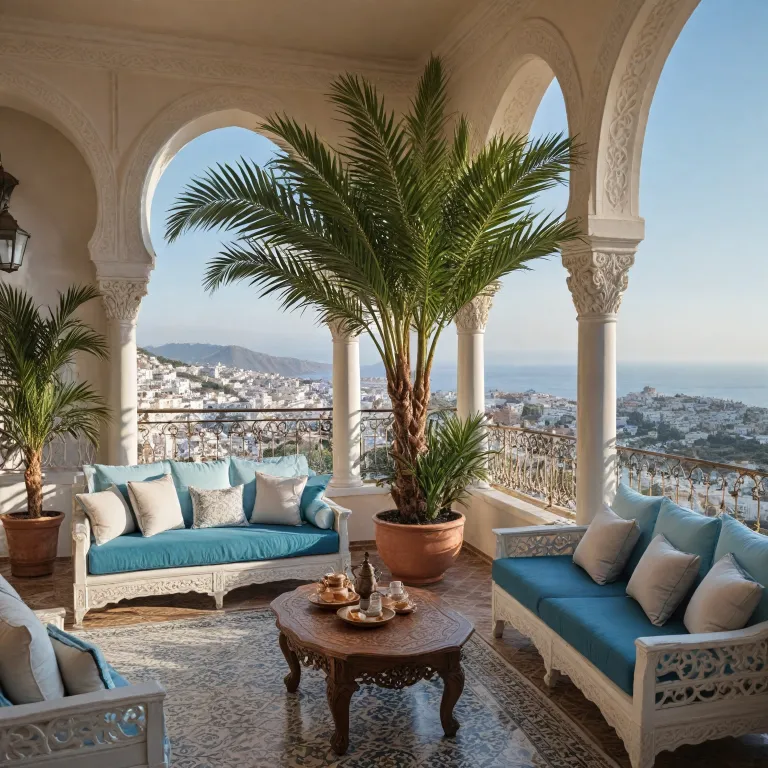
Luxury perspectives on the city of Algiers for modern travelers
The city of Algiers rises in white tiers above the bay, offering a striking first impression to travelers seeking refined stays. As the capital of Algeria and its largest city, it concentrates political power, cultural life, and premium hospitality in a compact coastal setting that rewards careful planning. For guests comparing luxury and premium hotel options, understanding how the city, its districts, and its transport hubs connect will shape every day of their stay.
Algiers is home to around 4.3 million inhabitants, making it one of North Africa’s most dynamic urban centers. This scale means the city of Algiers can support a sophisticated hotel scene, from heritage palaces near the casbah to contemporary towers close to Houari Boumediene International Airport. Many high end properties frame views over the bay of Algiers, the martyrs memorial, or the green expanse of jardin d’Essai, allowing guests to feel the national story of Algeria from their room.
The casbah of Algiers, founded by Buluggin ibn Ziri, remains the historic heart of the city and a UNESCO World Heritage site. Its steep alleys, Ottoman era palace courtyards, and mosques such as the Ketchaoua Mosque and the Great Mosque of Algiers contrast sharply with the French inspired city center below. Luxury travelers who stay in the modern city algiers core can easily visit the casbah by bus, taxi, or private transfer, then return to the calm of a premium hotel spa before dinner.
Historic layers, sacred landmarks, and premium hotel locations
Choosing a luxury hotel in the city of Algiers often begins with history, because the urban fabric reflects successive Algerian, Ottoman, and French influences. The casbah crowns the upper slopes, while the lower city center showcases arcaded boulevards, grand staircases, and civic buildings from the French colonial century. Between these layers, travelers encounter mosques, national museums, and memorials that help explain how the country moved from occupation to war of independence and finally to sovereignty.
Many premium hotels cluster along the waterfront and in the central business district, where guests can walk to the Great Mosque of Algiers and the sweeping promenade that frames the bay. From here, it is easy to visit the National Museum of Fine Arts, the national museum of antiquities, and the lush jardin d’Essai, each offering a different angle on Algerian identity. Some properties provide curated excursions that link these sites with the martyrs memorial on the hill of des Martyrs, creating a coherent narrative for a single day in the capital.
Religious and spiritual landmarks also shape where discerning visitors choose to stay in Algiers. The Ketchaoua Mosque, the Great Mosque, and the modern mosque of Algiers near the waterfront all stand within a short drive of major hotels, while the hilltop church of Notre Dame d’Afrique, sometimes affectionately called Dame Afrique or Lady Africa, watches over the city and bay. Many travelers appreciate a hotel base that allows an early morning visit to these sites, followed by a leisurely return to the city algiers center for refined Algerian cuisine and evening strolls.
From boumediene airport to the casbah: navigating premium stays
For international guests, the journey into the city of Algiers usually begins at Houari Boumediene Airport, the main gateway to the country. This modern hub lies to the east of the capital, and transfer times to central hotels typically range from thirty to forty five minutes depending on traffic. Luxury and premium properties often arrange private cars, but travelers can also use official taxis or dedicated bus services that link the airport with the city center and bay area.
Understanding the geography of Algiers helps guests select the right neighborhood for their stay. The historic casbah and adjacent quarters such as Hussein Dey and Sidi Hamed appeal to visitors interested in traditional Algerian life, Ottoman era palace architecture, and the layered story of the war of independence. By contrast, the modern business district near the waterfront and the Great Mosque of Algiers suits travelers who prioritize quick access to ministries, embassies, and national institutions.
Many high end hotels highlight their proximity to key landmarks like jardin d’Essai, the martyrs memorial, and the national museum network to reassure guests about logistics. A well located property in the city algiers core allows travelers to visit multiple sites in a single day, from the casbah and Ketchaoua Mosque in the morning to Notre Dame d’Afrique at sunset. When evaluating options online, it is worth checking not only star ratings but also walking distances, public bus connections, and transfer times back to Houari Boumediene Airport for early departures.
Heritage site experiences and curated cultural itineraries
One of the great advantages of staying in the city of Algiers is the ability to engage deeply with heritage sites while enjoying premium comfort. The casbah, recognized as a UNESCO World Heritage site, offers a dense concentration of traditional houses, mosques, and palace remains that illustrate several century long layers of Algerian history. Many luxury hotels now collaborate with certified guides who can interpret this complex urban fabric, from Ottoman defenses to traces of the war of independence.
Curated itineraries often combine the casbah with visits to the National Museum of Fine Arts and other national museum collections, allowing travelers to connect architecture, painting, and sculpture in a single narrative. A typical day might begin with a guided walk through the casbah, continue with a visit to the Ketchaoua Mosque and the Great Mosque of Algiers, and end at jardin d’Essai for a tranquil pause among Mediterranean and African plant species. In the evening, guests return to their hotel in the city algiers center for refined Algerian cuisine that reflects both coastal and interior traditions.
Some travelers seek more contemplative experiences at spiritual landmarks such as Notre Dame d’Afrique, also known as Dame Afrique or Lady Africa, which overlooks the bay of Algiers. From this vantage point, the capital unfolds from the casbah down to the waterfront, with the martyrs memorial rising in the distance as a reminder of national sacrifice. For those comparing hotel options, properties that facilitate access to these heritage site visits, whether by private car, organized bus, or walking tours, provide significant added value.
Balancing French heritage, Algerian identity, and modern luxury
Premium hotels in the city of Algiers operate at the intersection of French architectural legacies, Algerian cultural identity, and contemporary global standards of luxury. Along the boulevards of the city center, travelers see façades, staircases, and squares that recall the French colonial century, yet the daily rhythm remains unmistakably Algerian. This blend shapes everything from interior design choices to the culinary direction of hotel restaurants, where Mediterranean flavors meet regional ingredients from across the country.
Many properties emphasize views of emblematic landmarks such as the Great Mosque of Algiers, the martyrs memorial, and the bay, reinforcing a sense of place that goes beyond generic luxury. Guests can spend the day visiting the casbah, the Ketchaoua Mosque, and national museum collections, then return to lounges that showcase Algerian art and photography. Some hotels also highlight historical figures like Buluggin ibn Ziri, founder of Algiers, and Houari Boumediene, a key leader in the post war independence era, to anchor their storytelling.
Travelers who value thoughtful editorial style content about Algiers can consult specialized platforms that review hotels across the capital. One example is an in depth guide to smart, comfortable stays available at hotel stays for smart travelers seeking comfort and value, which situates properties within their urban and cultural context. As Abdelmadjid Tebboune, President of Algeria, leads the country through ongoing modernization, the hospitality sector in Algiers continues to refine its offer, ensuring that both the city and its hotels reflect a confident, outward looking national identity.
Practical planning for premium stays in the capital
Thoughtful planning transforms a trip to the city of Algiers from a simple visit into a layered experience that connects hotels, heritage, and everyday life. Start by mapping key districts such as the casbah, the French inspired city center, and residential areas like Hussein Dey and Sidi Hamed, then align them with your preferred hotel locations. Travelers focused on museums and official appointments may favor the central business area, while those drawn to atmospheric streets and older mosques might choose properties closer to the historic core.
Transport is another crucial factor when selecting a luxury or premium hotel in Algiers. Many guests arrive via Houari Boumediene Airport and appreciate properties that offer reliable transfers, whether by private car or coordinated bus services. Once in the capital, walking remains the best way to feel the city algiers atmosphere, but taxis and public buses help bridge longer distances between sites such as jardin d’Essai, the martyrs memorial, and waterfront promenades along the bay of Algiers.
Finally, consider how each hotel frames the national story of Algeria through its services and partnerships. Some properties organize guided tours of the casbah, the Ketchaoua Mosque, and Notre Dame d’Afrique, while others focus on culinary experiences that highlight Algerian regional diversity. By aligning your choice of hotel with your interests in history, architecture, or contemporary culture, you ensure that every day in the capital feels coherent, meaningful, and worthy of the city’s rich heritage site status.
Key figures that shape the city of Algiers today
- Population of Algiers estimated at around 4.325 million inhabitants, making it the largest city in Algeria and a major hub in North Africa.
- Urbanization rate in Algeria stands at approximately 75 percent, concentrating economic and cultural activity in metropolitan areas such as the capital.
- Algiers contributes close to 20 percent of national GDP, underlining the city’s central role in the country’s economy and hospitality development.
Essential questions for planning a stay in Algiers
What is the population of Algiers ?
As of 2025, Algiers has an estimated population of 4.325 million inhabitants. This scale supports a diverse hotel offer, from large international chains to intimate premium properties in the city center. Travelers benefit from extensive services, transport links, and cultural institutions concentrated within the capital.
What are the main economic sectors in Algiers ?
The main economic sectors in Algiers include trade, transportation, industry, wholesale of non durable goods, and food manufacturing. This diversified base sustains year round business travel alongside leisure tourism, which in turn encourages investment in high quality hotels. Guests can expect professional services that meet international expectations while remaining rooted in Algerian realities.
What is the historical significance of the Casbah in Algiers ?
The Casbah is a UNESCO World Heritage site known for its traditional Algerian, Ottoman, and Andalusian architecture, reflecting the city's rich history. It played a crucial role during the war of independence and continues to symbolize resistance and cultural continuity. For travelers, staying in the city of Algiers offers the rare chance to visit this living heritage site while enjoying modern comfort nearby.