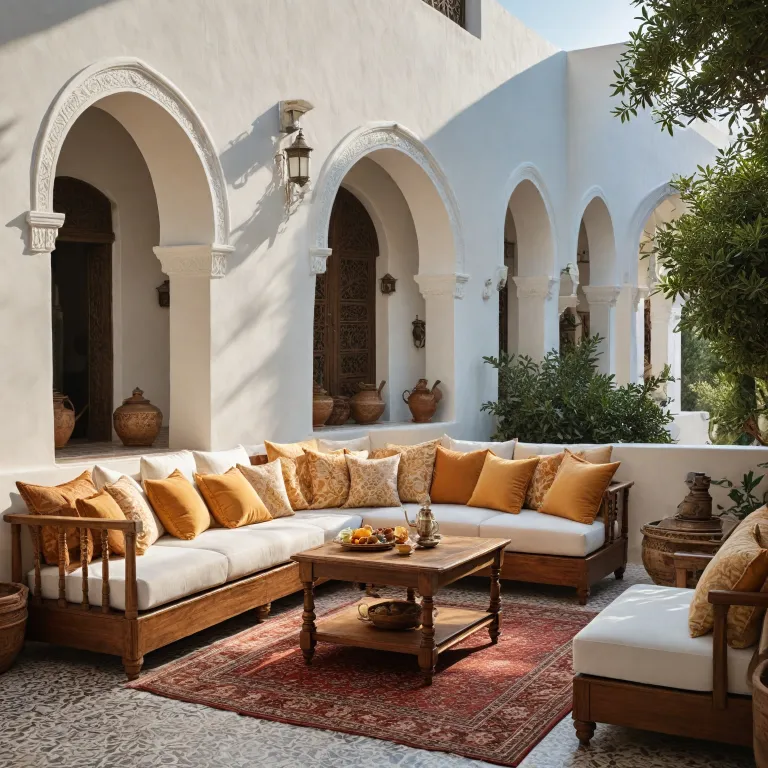
North Algeria as a refined gateway to north Africa
North Algeria stretches along the Mediterranean coast with a refined mix of coastal plains and mountains. This region of the country concentrates most of the population, economic activity, and the most sophisticated luxury and premium hotel options. For travelers, the contrast between the sea, the Atlas Mountains, and the high plateau creates a compelling setting for elevated stays.
The capital city Algiers anchors north Algeria as its largest city and cultural heart. Algiers offers a dense collection of five star properties, historic palaces, and contemporary design focused hotels that reflect both french and algerian influences. Many travelers pair time in the city with excursions along the coast and into the nearby saharan Atlas for a balanced north south itinerary.
Within this north african region, the Tell Atlas mountains shelter fertile valleys that support agriculture and wine growing traditions. These landscapes shape the cuisine presented in luxury hotel restaurants, where chefs reinterpret algerian classics with Mediterranean finesse and influences from the wider middle east. Guests often find menus that reference the sahara and saharan Atlas through spices, dates, and desert inspired tasting courses.
North Algeria’s role as the economic hub of the democratic republic of Algeria also supports a strong premium business travel segment. The algerian government and major companies such as Sonatrach attract executives who expect high service standards, refined meeting spaces, and reliable connectivity. For these guests, the choice between city hotels on the coast and quieter retreats in the mountains or on the high plateau becomes a strategic decision.
Today, the region’s modern day infrastructure links the north, the east, and the south through highways and improved airports. This connectivity allows travelers to combine the coast, the Atlas, and the edge of the sahara within a single trip focused on comfort. Understanding these geographic and economic dynamics is essential when selecting the right luxury or premium hotel in north Algeria.
Algiers and coastal cities as anchors of luxury hospitality
Algiers stands at the center of north Algeria’s premium hotel scene, framed by the Mediterranean coast and nearby mountains. The city combines Ottoman heritage, french colonial architecture, and modern towers, which together shape the character of its luxury properties. Many hotels overlook the coast, giving guests sweeping views that highlight why this north african city is such a strategic gateway.
Within Algiers, the Casbah and the historic french quarters offer a sense of the early century urban fabric. High end hotels nearby often integrate algerian craftsmanship, marble, and carved wood into lobbies and suites, while maintaining international standards of comfort. This blend of local identity and global service is particularly valued by people who want authenticity without sacrificing convenience.
Along the wider coast of north Algeria, smaller cities and resorts provide quieter alternatives to the capital. These destinations appeal to travelers who prefer a slower rhythm, with long walks by the sea, spa treatments, and curated excursions into the Atlas Mountains. The coast also serves as a base for day trips to Roman ruins and to the high plateau, where the landscape shifts from green to more saharan tones.
The algerian government’s focus on tourism infrastructure has encouraged new investments in premium properties along the coast. As a result, travelers can now choose between established grand hotels in the largest city and newer resorts in emerging destinations. This variety allows both leisure and business guests to tailor their stays according to their expectations of privacy, access, and style.
For those researching north Algeria, it is important to note that the region’s population is highly urbanized, with around ninety percent of the country’s residents living in the north. This concentration supports a sophisticated hospitality ecosystem, from fine dining to specialized concierge services. When planning, travelers should consider how proximity to Algiers, the coast, and the Atlas influences both price and experience.
Historical layers shaping premium stays in north Algeria
The history of north Algeria deeply influences the character of its luxury and premium hotels. From ancient settlements to the french conquest and the algerian war, each period has left architectural and cultural traces that now enrich high end stays. Many properties occupy restored mansions or sites that echo these layers, giving guests a tangible sense of place.
During the french conquest, new boulevards, villas, and civic buildings transformed Algiers and other coastal cities. Today, several premium hotels reinterpret this heritage with contemporary interiors while preserving facades and key structural elements. Guests may sleep in rooms that once housed colonial administrators, yet now feature modern amenities and views over the coast or the mountains.
The struggle for independence and the later civil war also shaped the narrative of the country and its people. While luxury hotels rarely foreground these difficult chapters, knowledgeable concierges can arrange guided visits and museum tours that contextualize modern day north Algeria. This allows travelers to appreciate how the democratic republic and the people’s democratic aspirations have evolved since the early century.
Political stability under leaders such as president Abdelmadjid Tebboune has encouraged renewed investment in tourism and hospitality. The algerian government promotes north Algeria as a safe and attractive part of north Africa, distinct from the deeper sahara yet still connected to saharan culture. High end hotels often reflect this positioning through design elements inspired by the saharan Atlas and desert caravans.
For many visitors, understanding this historical background enhances the emotional resonance of a stay in Algiers or along the coast. Walking through the Casbah, visiting Roman ruins near the sea, and then returning to a refined hotel creates a dialogue between past and present. In this way, north Algeria offers more than comfort ; it offers a layered narrative that sophisticated travelers often seek.
Balancing north south contrasts when choosing luxury hotels
One of the most distinctive aspects of north Algeria is the contrast between the lush coast and the approaching sahara. Travelers booking luxury or premium hotels must decide how much time to allocate to the temperate north and how far to venture toward the south. This north south balance shapes not only scenery but also cultural encounters and hotel styles.
In the north, properties near Algiers and other coastal cities emphasize sea views, spa facilities, and access to cultural sites. As guests move inland toward the Atlas and the high plateau, hotels may highlight mountain air, hiking, and quieter retreats. These inland stays often reference the saharan Atlas and the broader sahara through decor, cuisine, and curated excursions.
Although the sahara lies primarily in the southern part of the country, its influence reaches into north Algeria through trade routes and traditions. Some premium hotels in the north offer desert themed suites, tea ceremonies, and storytelling evenings that evoke saharan caravans. This allows travelers to experience saharan culture without undertaking a long journey deep into the desert.
The algerian government’s infrastructure projects have made it easier to travel between the coast, the mountains, and the edge of the sahara. Highways and improved rail links shorten travel times, enabling itineraries that combine Algiers, the Atlas Mountains, and saharan gateways within a single trip. When planning, guests should consider how these logistics affect check in times, transfers, and overall comfort.
For detailed guidance on elevated stays and curated experiences, travelers can consult specialized resources such as luxury and premium hotel booking websites in Algeria for exclusive dining experiences. These platforms often highlight properties that excel in gastronomy, wellness, and cultural programming across north Algeria. By comparing options across the north south axis, guests can align their choices with personal interests and seasonal conditions.
How modern governance and demographics shape premium stays
The demographic and political context of north Algeria plays a significant role in the evolution of its luxury hotel landscape. With an estimated population of around forty eight million people, and roughly ninety percent living in the north, demand for high quality services is concentrated in this region. This urban density supports a wide range of premium hotels, restaurants, and cultural venues.
The algerian government, operating within the framework of the republic of Algeria, has prioritized infrastructure and tourism development in the north. Under president Tebboune, policies encourage investment in hospitality, transport, and renewable energy, particularly along the coast and in major cities. This focus reinforces Algiers as the largest city and a central hub for both business and leisure travelers.
“Northern Algeria encompasses the coastal plains and Tell Atlas mountains, housing the majority of the country's population and economic activities.” This verified observation helps explain why most luxury and premium hotels cluster in north Algeria rather than in more remote saharan areas. For travelers, it means that high service standards, medical facilities, and transport links are more readily available in the north african corridor.
Urbanization, currently estimated at around seventy five percent, has led to expanding suburbs and new hotel districts around Algiers and other coastal cities. These areas often host modern conference centers, shopping malls, and international brand properties that cater to corporate guests. At the same time, smaller heritage focused hotels in historic quarters appeal to people seeking a more intimate atmosphere.
For visitors, understanding these demographic and governance dynamics helps in choosing where to stay and what to expect. Areas with strong government investment typically offer better roads, security, and public services, which directly impact the comfort of a luxury stay. When evaluating options, travelers should consider not only star ratings but also the broader context of the neighborhood and region.
Practical guidance for booking luxury hotels in north Algeria
Booking a luxury or premium hotel in north Algeria requires attention to geography, season, and purpose of travel. Coastal cities such as Algiers offer a Mediterranean climate with hot dry summers and mild wet winters, which affects both rates and availability. Travelers should align their stay with preferred temperatures, whether they favor beach time on the coast or cooler air in the mountains.
When comparing properties, it is useful to distinguish between city hotels, coastal resorts, and mountain retreats. City hotels in Algiers and other urban centers provide quick access to government offices, business districts, and cultural sites, making them ideal for short stays. Coastal resorts and mountain properties, by contrast, suit longer breaks focused on wellness, gastronomy, and excursions to the Atlas or the high plateau.
Travelers interested in history may prioritize locations near the Casbah of Algiers, Roman ruins, or sites linked to the algerian war. In these areas, premium hotels often collaborate with local guides to offer curated tours that explain the french conquest, the civil war, and the evolution of the people’s democratic aspirations. Such experiences add depth to a stay and help guests understand the modern day identity of the country.
Safety and reliability remain important considerations, and north Algeria generally benefits from stronger infrastructure and services than more remote saharan zones. Guests should still verify recent reviews, confirm transport arrangements, and check any guidance from their own government before travel. Working with reputable booking platforms and local partners can further enhance confidence and ensure a smooth arrival.
Finally, travelers should remember that north Algeria sits at the crossroads of north Africa, the Mediterranean, and the middle east. This position shapes everything from hotel design to restaurant menus, which often blend algerian, french, and wider regional influences. By approaching hotel selection with an understanding of geography, history, and governance, guests can craft refined stays that fully reflect the richness of north Algeria.
Key statistics on north Algeria and its hospitality context
- The population of Algeria is estimated at around 48.06 million inhabitants, with a strong concentration in the north.
- Approximately 90 % of the national population lives in northern Algeria, reinforcing the region’s role as an economic and hospitality hub.
- The urbanization rate in Algeria is close to 75 %, supporting a dense network of services, hotels, and cultural institutions in major cities.
Essential questions about luxury stays in north Algeria
What is the capital city of Algeria and why does it matter for travelers ?
The capital city of Algeria is Algiers, located on the Mediterranean coast in north Algeria. For travelers, Algiers serves as the primary gateway to the country, concentrating international flights, major government institutions, and a wide range of luxury and premium hotels. Staying in the capital allows easy access to historic neighborhoods, business districts, and transport connections to other parts of the north african region.
What are the main economic activities in northern Algeria that support premium hospitality ?
The main economic activities in northern Algeria include oil and natural gas production, agriculture, and tourism. These sectors generate employment, infrastructure investment, and international partnerships that indirectly benefit the luxury hotel market. As a result, travelers find well developed transport networks, modern conference facilities, and a growing selection of high end properties along the coast and in major cities.
What is the climate like in northern Algeria and how does it affect hotel stays ?
Northern Algeria has a Mediterranean climate with hot dry summers and mild wet winters. This pattern makes coastal cities attractive for summer beach stays, while spring and autumn often suit cultural visits and business travel. Travelers should consider seasonal variations when booking luxury hotels, as rates, availability, and preferred activities can change significantly throughout the year.
Sources : Ministry of Tourism of Algeria ; Geo Factbook ; Nations Online Project.