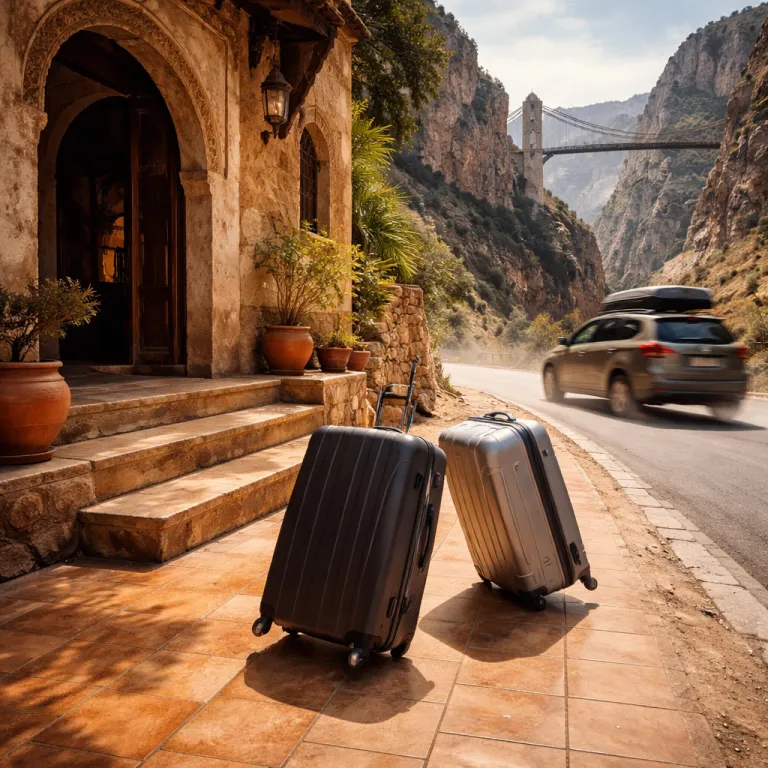
Planning a Tlemcen–Constantine itinerary for premium family travel
Follow Algeria’s northern spine and you trace an imperial corridor where every bend in the road reveals another layer of history. For families planning to move across the country from Tlemcen to Constantine, this route turns a simple transfer between cities into a curated journey through palaces, medinas, and dramatic gorges that reward a multi night stay in each stop. When you plan traveling in Algeria this way, the country stops being a vague destination on a map and becomes a sequence of lived experiences shaped by local people, languages, and landscapes.
The driving distance between Tlemcen and Constantine is about 891 km, and most travellers will want to break that into at least three segments to keep the trip comfortable for children. Expect around 8 hours and 49 minutes of pure driving time on good quality roads according to common route planners such as Google Maps and ViaMichelin, but factor in generous pauses for meals, viewpoints, and the inevitable roadside mint tea that defines slow travel in Algeria. Families who prefer not to drive the full route in one go can combine car travel between nearby cities with SNTF trains linking the major cities along the coast, which keeps the journey flexible while still allowing you to enter Algeria’s interior with confidence.
Before you travel, check the latest travel advice for Algeria from your home government and review any requirement for an Algerian visa or transit visa if you are connecting via another country. Many nationalities need a visa to enter Algeria, and consular services usually ask for confirmed hotel bookings, so using a reliable luxury booking platform helps you secure the right documentation. Even when the overall risk level is assessed as requiring a high degree of caution, most visitors who maintain strong situational awareness in urban areas and follow guidance from local authorities find that journeys across northern Algeria are smooth, especially in major cities on this route.
Health preparation matters as much as logistics when you explore Algeria with children, so speak with a medical professional about routine vaccinations and any infectious diseases that may be present in the region. Algeria does not generally require a yellow fever certificate unless you are arriving from a country where yellow fever is endemic, but always verify this with official travel advice before you enter Algeria. Comprehensive travel insurance that covers medical care, trip interruption, and road travel incidents is essential for travellers on this long route, because it gives families the freedom to enjoy the journey between cities without worrying about every potential risk.
Tlemcen: Hispano Moorish elegance and a relaxed first stay
Tlemcen sits close to the border areas with Morocco, yet the drive in from Oran or Algiers feels calm, framed by green plateaus and distant mountains that ease families into Algeria at an unhurried pace. Once the Zianid capital, this city is often called the pearl of the Maghreb, and its Hispano Moorish architecture makes it one of the most atmospheric cities in the country for travellers who appreciate history as much as hotel comfort. For premium families, starting your journey here means your first stay in Algeria balances cultural immersion with manageable walking distances and quiet evenings.
Base yourself at the Renaissance Tlemcen Hotel, which crowns a hill above the city and gives sweeping views that help orient children to the geography of northern Algeria. Rooms are spacious by any international standard, and the pool terrace becomes a natural gathering point where people from Algiers, Oran, and other cities mingle with international travellers over late afternoon coffee. Because the property is slightly removed from the dense city centre areas, families who are cautious about traffic and crowds often feel more relaxed returning here after a day of exploring.
Within the city, hire local guides who speak both Arabic and French to bring the Great Mosque, Mansourah ruins, and the Sidi Boumediene complex to life for younger travellers. These guides are often the best informal travel companion you will find, weaving stories of Andalusian refugees, Sufi scholars, and caravan routes that once linked this city to other major cities across the Maghreb. As one local operator summarises the appeal of this journey, "Journey from Tlemcen to Constantine through Algeria's imperial cities," a phrase that neatly captures how this corridor connects multiple historic centres.
From a safety perspective, most government travel advice focuses on remote border areas rather than on well visited cities like Tlemcen, but you should still stay alert to your surroundings. Avoid any informal currency exchange on the black market, and instead use ATMs or official bureaux recommended by your hotel or by local authorities. If you need consular services while you are in the country, staff will usually ask where you plan to stay and which areas you intend to visit, so keeping a clear itinerary between Tlemcen, Algiers, and Constantine helps them provide tailored travel advice.
Families interested in extending their understanding of Algeria’s interior beyond imperial cities can read about how Ghardaïa and the Mzab Valley are drawing more visitors in recent years; this kind of in depth heritage analysis, such as the report on the Mzab Valley’s surge in interest, shows how cultural tourism is reshaping perceptions of the country. While Ghardaïa lies south of the Tlemcen–Constantine axis, the same principles apply when you explore Algeria with children: choose established properties, rely on vetted local guides, and keep your travel insurance details and emergency medical contacts easily accessible. With this mindset, traveling in Algeria becomes less about managing risk and more about engaging thoughtfully with an Algerian society that is proud of its history and eager to welcome respectful travellers.
Algiers: imperial layers, coastal luxury, and smart logistics
Algiers sits roughly midway between Tlemcen and Constantine, and for most families it makes sense to treat the capital as a multi day stop rather than a simple overnight. The city’s layered history, from Ottoman palaces in the Casbah to French colonial boulevards and modern glass towers, offers a concentrated lesson in how this country has negotiated power, architecture, and identity over centuries. When you travel Algeria with children, Algiers is where the abstract idea of an Algerian capital becomes tangible through street life, language, and food.
For a premium stay, two properties stand out for different reasons: the Sofitel Algiers Hamma Garden and the historic El Djazaïr hotel. The Sofitel sits near the botanical garden and offers resort style pools, interconnecting rooms, and polished service that many international travellers will find reassuring on their first visit to Algeria. El Djazaïr, by contrast, is a grand property where Arabic, French, and English mingle under high ceilings, and its gardens provide a quiet refuge from the city while still keeping you close to major cultural areas.
Families who want a coastal interlude can also look west along the bay to the Sheraton Club des Pins, a secure seaside resort that works well as a base for those who prefer to explore Algeria with a strong focus on relaxation. Our detailed review of this refined Mediterranean stay explains why its private beach, controlled access, and family friendly facilities appeal to travellers who are wary of urban driving. Using a property like this for a two night stay allows you to reset between the historic density of Tlemcen and the dramatic topography of Constantine.
Within Algiers itself, spend one day in the Casbah with a licensed local guide who can navigate the steep alleys safely and interpret the Ottoman era houses for younger visitors. Another day can be devoted to the French era downtown, where Haussmannian facades face the sea and tram lines make it easy to move between districts without relying on taxis in heavy traffic. To deepen your understanding of how Algiers fits into the wider cultural map when you travel Algeria, consult analyses of the country’s seven UNESCO World Heritage sites; these heritage trails show how imperial cities, Roman ruins, and desert ksour form a single narrative.
Security wise, Algiers is where most embassies and consular services are located, so it is the logical place to resolve any issues with an Algerian visa, lost passports, or changes to your travel insurance. Government travel advice often mentions a residual threat of terrorism and kidnapping in some remote areas, but in the capital the focus is usually on standard urban precautions and avoiding demonstrations. As long as you follow guidance from local authorities, avoid discussing sensitive political topics with strangers, and stay within well lit areas at night, most families find that navigating Algeria’s capital feels no more stressful than managing other large Mediterranean cities.
Constantine: city of bridges, dramatic gorges, and elevated stays
From Algiers to Constantine, you can either drive the roughly 430 km stretch on the eastbound autoroute or take an SNTF train that threads through coastal cities before turning inland. Families who enjoy the freedom of the open road often prefer to cross Algeria by car on this leg, because the changing landscapes from coastal plains to high plateaus are part of the experience. Those who are more cautious about long drives with children may choose the train for this section and then rent a car locally in Constantine for shorter excursions.
Constantine itself is one of the oldest continuously inhabited cities in the world, and its setting above a deep gorge makes it unforgettable for travellers of any age. Bridges leap across the chasm in a way that feels almost theatrical, and walking these spans at sunset is often the moment when people realise how varied Algeria’s cities can be. For families traveling in Algeria, this city offers a different kind of drama than the sea views of Algiers or the Andalusian calm of Tlemcen.
The Constantine Marriott Hotel is the clear luxury choice in town, with contemporary rooms, reliable international standards, and a location that gives easy access to both the historic centre and newer residential areas. Many rooms frame the city’s cliffs and bridges, turning the view itself into part of your travel guide for explaining Constantine’s geography to children. Service here is used to hosting both Algerian and international guests, so staff can usually assist with practical travel advice, from arranging licensed taxis to recommending family friendly restaurants that serve local specialities like chakhchoukha and broudj.
Spend at least two full days here to balance sightseeing with downtime, especially if you are nearing the end of your travel Algeria itinerary. One day can focus on the old city, its museums, and the main bridges, while another can be reserved for short excursions into surrounding areas where Roman ruins and rural landscapes show a quieter side of the country. As always when you travel across Algeria, keep copies of your passports, Algerian visa, and travel insurance details with you, because local authorities may conduct routine checks on intercity roads.
While government travel advice sometimes highlights a general threat of terrorism and kidnapping in certain remote regions, the main risk factors for families in Constantine are more mundane: steep drops near viewpoints, uneven pavements, and the usual urban traffic. Stay vigilant near railings and gorge edges, hold children’s hands on busy streets, and avoid walking in poorly lit areas late at night. If you need medical assistance, ask hotel staff to direct you to reputable clinics, and remember that infectious diseases are not usually a major concern in these urban environments, though standard hygiene and food safety habits still apply when you travel Algeria.
Driving, trains, and practical safety when you travel Algeria as a family
The full Tlemcen–Constantine drive covers nearly 900 km, so families should think of it as a structured road trip rather than a single long haul. Plan your route in segments of 250 to 350 km between cities, which keeps daily driving times manageable and leaves space for unplanned stops that make travel Algeria memorable. A typical outline might be Tlemcen to Algiers via the A1 motorway, then Algiers to Constantine, each leg taking around four to five hours of wheel time before stops.
Road conditions on the main autoroutes between major cities are generally good, with frequent fuel stations where you can pay in local currency and take breaks. Before traveling in Algeria by car, check that your rental agreement allows intercity travel and that your travel insurance covers driving in this country, including any excess for damage or theft. Avoid driving at night outside urban areas, partly because of reduced visibility and partly because roadside assistance can be slower to reach you if something goes wrong.
Trains operated by SNTF offer an alternative for some legs of the journey, especially between Algiers and Oran or Algiers and Constantine, and many travellers appreciate the ability to relax while the landscape slides by. For families who are nervous about the perceived risk of long distance driving in a new country, combining rail segments with short local transfers can be an elegant compromise. When you travel Algeria this way, you still experience the diversity of its cities while reducing fatigue and logistical stress.
Security considerations are part of any responsible travel guide to Algeria, and families should read current government travel advice before departure. Many advisories recommend a high degree of caution across the country, particularly in remote border areas where there may be a residual threat of terrorism and kidnapping, but they also note that major cities like Tlemcen, Algiers, Oran, and Constantine see regular tourism. Follow instructions from local authorities, avoid political gatherings, and stay within well populated areas, and most travellers find that their personal experience of traveling in Algeria feels far safer than the headlines suggest.
Health wise, consult a medical professional about routine vaccinations and any region specific infectious diseases before you enter Algeria, especially if you are traveling with children. A yellow fever certificate is usually only required if you are arriving from a country where yellow fever is present, but rules can change, so verify them with consular services when you apply for your Algerian visa. With solid preparation, respect for local customs in both Arabic and French speaking contexts, and a realistic understanding of risk, your family road trip across Algeria’s imperial cities will feel less like a logistical challenge and more like a carefully choreographed journey through one of the Mediterranean’s most overlooked countries.
FAQ: planning a luxury family road trip across Algeria’s imperial cities
How long does it take to drive from Tlemcen to Constantine with family stops ?
The direct driving time between Tlemcen and Constantine is around 8 hours and 49 minutes, covering roughly 891 km on main roads according to standard mapping tools. For families traveling in Algeria, it is wiser to split this into at least three days, staying in Tlemcen, Algiers, and Constantine so that children are not confined to the car for more than 3 to 4 hours at a stretch. This pacing also lets you experience each city properly instead of treating them as mere transit points.
Is it safe to travel Algeria by car between these major cities ?
Main highways between Tlemcen, Algiers, Oran, and Constantine are generally in good condition, and many travellers complete this route without incident. Government travel advice usually recommends a high degree of caution across the country, especially in remote border areas, but notes that major cities see regular tourism and routine business travel. If you stay aware of your surroundings, avoid night driving outside urban areas, and follow guidance from local authorities, the practical risk for families on this corridor is mainly related to normal road safety rather than security threats.
Do I need an Algerian visa and specific health documents for this trip ?
Most nationalities require a visa to enter Algeria, and you should apply for an Algerian visa through the nearest embassy or consulate well before your trip. Consular services typically ask for confirmed hotel bookings, a detailed itinerary, and proof of travel insurance that includes medical coverage, especially when you plan to travel across several cities. A yellow fever certificate is usually only required if you are arriving from a country where yellow fever is present, but you should confirm this and any concerns about infectious diseases with both your doctor and official travel advice.
Which luxury hotels work best for premium families on this route ?
On this specific itinerary, the Renaissance Tlemcen Hotel, Sofitel Algiers Hamma Garden, El Djazaïr in Algiers, and the Constantine Marriott Hotel are the standout options for premium families. These properties offer interconnecting rooms or suites, reliable service standards, and locations that balance access to historic areas with a sense of security and calm. Many families also add a seaside stay at the Sheraton Club des Pins near Algiers to break up the road trip with a resort style pause.
How should I handle money, language, and local interactions when traveling in Algeria ?
Use ATMs or official exchange offices rather than the black market, and carry enough local currency for fuel, tolls, and smaller purchases in areas where cards are less common. Arabic and French are widely spoken in major cities, and learning a few basic phrases in both languages helps build rapport with local people, especially when asking for informal travel advice or directions. As in any country, respectful behaviour, modest dress in conservative areas, and patience with local procedures go a long way toward making your travel Algeria experience smooth and welcoming.
References
Ministry of Foreign Affairs travel advisories; World Health Organization country health profile for Algeria; Official SNTF railway information; Major online mapping services for distance and drive time estimates; Hotel information from official property descriptions and booking platforms.