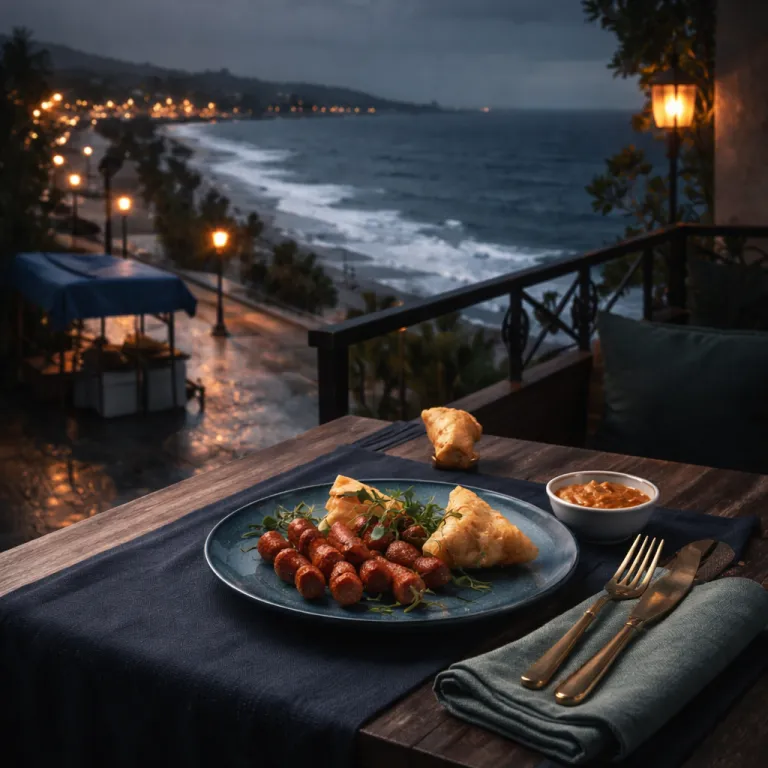
Algerian food travel between two coasts of character
Algerian food travel between two coasts of character
Algerian food travel along the roughly 430 kilometre route from Algiers to Oran is one of North Africa’s most rewarding family journeys. You move through a corridor where Algerian cuisine shifts from Ottoman influenced palace dishes to salty coastal grills, yet the same Algerian culture of generous hospitality anchors every meal. For premium travellers, this road quietly links some of Algeria’s most polished hotel kitchens with the country’s most characterful street food stalls.
Algiers and Oran sit on the same north facing Mediterranean arc, but each city expresses Algerian foods and cultural heritage in a distinct way. In Algiers, the capital’s grand hotels frame Algerian breakfast buffets with views of the bay, while below the hillside streets, vendors serve bourek and other street food to office workers and families. Oran, closer to Spain, leans into a more relaxed North African port energy where grilled lamb, chicken, mint tea and seafood are eaten late into the night.
This journey is not only about what is served on the plate, but how culinary exploration reveals the layers of Arab Ottoman, Amazigh (Berber) and French influences that shaped the country. Every drink of mint tea, every spoon of chorba frik and every shared dish of couscous becomes a quiet travel guide to Algeria’s history. For families booking luxury stays, the road between these two cities offers a rare mix of comfort, culture and cuisine that still feels largely undiscovered by mainstream tourism.
Algiers: from hotel breakfast rituals to Casbah street food
Start in Algiers, where the best luxury properties now treat Algerian breakfast as a statement of identity rather than a token corner on the buffet. At leading addresses such as the grande dame hotels of the capital, you will see traditional Algerian flatbreads, honey drenched pastries and bowls of chorba frik set beside international classics, a quiet nod to how Algerian cuisine can sit confidently alongside global tastes. For a deeper look at these historic properties, our detailed review of Hotel El Djazaïr and Sofitel Algiers explains how their dining rooms have become reference points for refined Algerian foods.
Step outside after this first meal and the city’s street food scene becomes your informal travel guide to everyday Algerian culture. Around the central districts, families and commuters line up for bourek, mhadjeb and garantita, the chickpea cake that might be the most popular Algerian snack in the capital. These dishes are usually served scorching hot with a simple drink of yoghurt based leben or sweet mint tea, and they show how a modest dish can carry as much cultural weight as any national dish on a white tablecloth.
To navigate this food focused travel, learn a few phrases in the local language, whether Arabic or French, because a simple greeting often unlocks the most generous explanations of recipes and ingredients. Ask vendors how a particular dish is prepared and you will hear about lamb, chicken, spices and even orange blossom water used in both savoury and sweet preparations. As one Algiers street vendor put it to a recent visitor, “if you understand what is in your plate, you start to understand our city.” In these conversations, culinary discovery stops being a checklist of dishes eaten and becomes a living exchange with the people who keep this cuisine vibrant.
Between Algiers and Oran: coastal tables, hidden grills and hotel comforts
Once you leave Algiers, the road north west towards Oran traces a coastline where the Mediterranean is never far from view. Families travelling this route should plan for a relaxed five hour drive, allowing time to stop in smaller towns near Cherchell and Mostaganem where seafood and traditional Algerian grills define the local meal. These coastal stretches are also where gastronomic touring intersects with some of the country’s most appealing seaside stays, many of them highlighted in our guide to Algeria’s Mediterranean luxury beach destinations.
In fishing towns, look for simple restaurants where the catch of the day is served with minimal fuss, often just olive oil, lemon and a dusting of North African spices. Here, Algerian cuisine feels lighter, with grilled fish replacing lamb as the main dish, yet the same cultural heritage of generosity appears in the endless bread baskets and shared salads. Children quickly learn that in Algeria, a meal is rarely a single plate but a sequence of dishes eaten together, from small mezze style starters to a final drink of mint tea perfumed with orange blossom.
For families who prefer to keep a luxury base, several premium hotels along the coast now offer menus that balance international favourites with traditional Algerian recipes. You might find a carefully plated chorba frik beside a classic grilled chicken skewer, or a dessert scented with blossom water that references both Arab Ottoman and Amazigh (Berber) influences. This blend of comfort and authenticity makes the coastal leg of your culinary journey both practical and deeply rewarding, especially when travelling with children who need space and predictability.
Oran: where street food energy meets refined hotel dining
Arriving in Oran, the shift in rhythm is immediate, with music, cafés and street food stalls giving the city a more extroverted character than the capital. This is where Algerian food travel becomes a little louder and later, as families join locals for evening walks and snacks along the seafront. Street vendors here serve merguez, mhadjeb and other popular Algerian dishes that reflect both North African and Mediterranean influences.
For travellers staying in premium hotels, Oran’s dining scene now includes several restaurants that bridge casual and fine dining while staying rooted in Algerian cuisine. At Le Méditerranéen, Mediterranean plates come with subtle Algerian influences, while El Mordjane in Algiers offers authentic Algerian dishes with French finesse, showing how chefs across Algeria are rethinking the national dish repertoire. Casual addresses such as Arabesque Restaurant, Bekhchi Restaurant and Burj Wahran add another layer, serving local cuisine and international favourites in settings that work well for families.
Hotel restaurants in Oran, including those at properties like Mercure’s sister brands and Marriott Oran, increasingly use local lamb, chicken and seasonal vegetables in both traditional and modern recipes. You might order a refined take on a street food dish, or a couscous that honours Amazigh (Berber) roots while arriving plated with contemporary elegance. This is where the gap between what is eaten on the street and what is served in luxury dining rooms finally begins to narrow in a way that feels authentic rather than staged.
Designing a family friendly Algerian food travel itinerary
Planning Algerian food travel with children along the Algiers Oran axis requires balancing curiosity with comfort. Start by choosing hotels that treat cuisine as part of their identity, not an afterthought, because these properties will usually offer both kid friendly options and a serious approach to Algerian foods. In Algiers and Oran alone, local hospitality data mention hundreds of restaurants, with official tourism sources regularly updating figures for the capital and the western coast, giving families an impressive range of dishes and price points.
Use a flexible travel guide style approach to your days, alternating structured meals in hotel restaurants with spontaneous street food stops. Morning might begin with an Algerian breakfast buffet where children can try traditional Algerian pastries beside familiar cereals, while lunch becomes an informal exploration of street food such as bourek or garantita. Evening can then shift back to a refined setting, where a carefully constructed menu presents Algerian cuisine as part of a broader North African and Mediterranean story.
Practical details matter on this route, so carry local currency for vendors, use translation apps to bridge any language gaps and dress modestly when exploring older neighbourhoods. Simple habits such as sharing a drink of mint tea with your local guide, or asking how a particular dish is prepared, turn meals into lessons in Algerian culture and its layered cultural heritage. Over several days, the flag on the hotel façade becomes less important than the recipes, aromas and conversations that quietly define your family’s memory of Algeria.
Hidden culinary gems and the evolution of Algerian hotel cuisine
Beneath the headline names, Algerian food travel between Algiers and Oran is shaped by smaller, often family run places that rarely appear in international listings. These hidden gems might be a roadside grill where lamb is slow cooked over charcoal, or a modest café where orange blossom scented pastries are served with impossibly hot mint tea. For luxury travellers, working with local tour operators or a trusted guide can reveal these addresses while keeping logistics and safety straightforward.
The most interesting shift in recent years is how premium hotels are finally embracing traditional Algerian recipes as assets rather than obligations. Breakfast buffets now feature regional dishes from across north Algeria, while dinner menus highlight chorba frik, couscous and other national dish contenders prepared with restaurant level precision. This reflects a broader trend noted by local tourism authorities, who point to a growing interest in Algerian gastronomy and a fusion of traditional and modern cuisines.
As you move along this route, you will notice how often orange blossom water, blossom water syrups and North African spices appear in both sweet and savoury dishes. These flavours speak to the Arab Ottoman and Amazigh (Berber) strands of Algerian culture, reminding travellers that every meal is part of a much older cultural heritage. By the time you reach Oran’s waterfront, Algerian food travel will feel less like a themed holiday and more like a lens through which the entire country, from its flag to its language, quietly comes into focus.
FAQ
What are popular Algerian street foods along the Algiers Oran route ?
Dishes like merguez, brik, and mahjouba are popular. Between Algiers and Oran, you will also find garantita, mhadjeb and various grilled chicken skewers served in simple cafés and roadside stalls. These street food dishes are usually inexpensive, filling and deeply rooted in local culture.
Is Algerian cuisine generally spicy for children ?
It varies; some dishes are mildly spiced, others more so. Many traditional Algerian recipes rely more on warm spices like cumin and coriander than on intense chilli heat, which makes them accessible for most families. When ordering, you can always ask for less harissa or choose milder dishes such as couscous with vegetables or chorba frik.
Are there vegetarian options in Algerian cuisine for travellers ?
Yes, many dishes feature vegetables and legumes. Along the Algiers Oran corridor, you will find lentil stews, chickpea based garantita, salads and couscous with seasonal vegetables in both street food stalls and hotel restaurants. Luxury properties are increasingly attentive to dietary preferences, so vegetarian travellers can usually eat well with a bit of advance communication.
How can luxury travellers safely enjoy street food in Algeria ?
Choose busy stalls with high turnover, where dishes are cooked to order and served hot. Carry cash in small denominations, use basic French or Arabic phrases to communicate and follow your guide’s recommendations in unfamiliar neighbourhoods. Many families combine hotel breakfasts and dinners with one carefully chosen street food meal each day to balance comfort and culinary exploration.
Do I need a travel guide to explore Algerian food between Algiers and Oran ?
A professional travel guide is not essential, but a local expert can enrich your understanding of Algerian culture, language and regional dishes. Guided walking tours in Algiers or Oran often include structured tastings of street food and visits to markets, which are helpful for first time visitors. For the road journey itself, many families prefer a private driver so they can focus on the scenery, the cuisine and the experience rather than navigation.
Sources
Algerian Ministry of Tourism ; official restaurant and hospitality data.
Local tourism boards in Algiers Province and Oran Province ; regional gastronomy reports.
Accor, Marriott and independent hotel groups in Algeria ; published restaurant and hotel information.