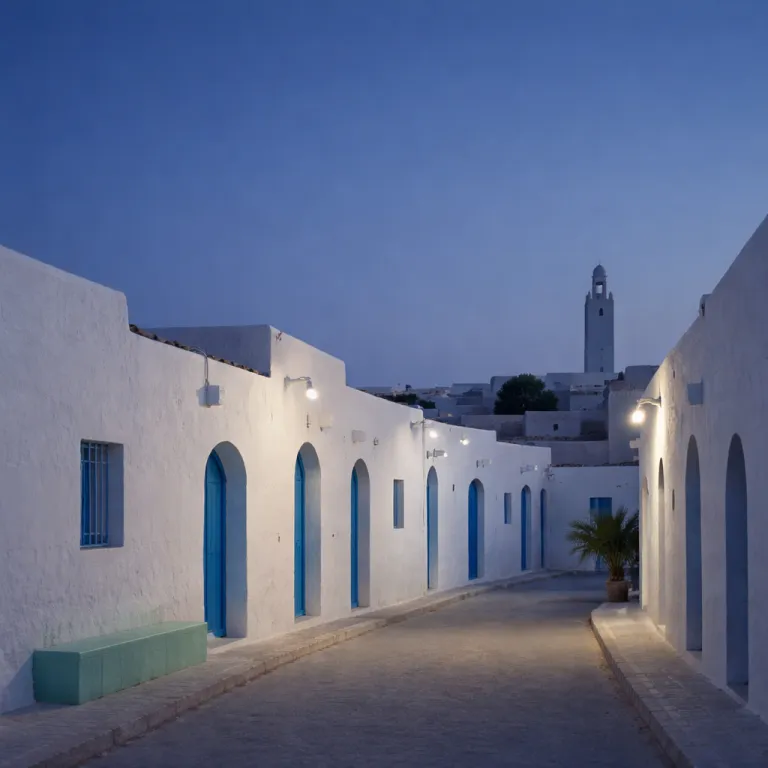
Ghardaia, Algeria tourism reaches a turning point in the M’Zab Valley
Ghardaia, located in the heart of the M’Zab Valley in Algeria, has quietly crossed a psychological threshold for Saharan travel. During the latest Saharan season, the Directorate of Tourism for the wilaya of Ghardaia reportedly recorded 11,729 visitors, including 3,729 foreign guests, according to figures shared in a 2023 regional tourism briefing, a data point that signals a structural shift in Ghardaia tourism rather than a passing trend. For a city that long relied on domestic pilgrims and architecture students, this new mix of people is reshaping how luxury travelers read, discover and plan their days in the desert.
The M’Zab Valley, inscribed as a UNESCO World Heritage cultural landscape in 1982, is no longer just a footnote in North Africa tours. Ghardaia is known for its well-preserved medieval architecture and cultural heritage, and those heritage sites now sit at the center of curated itineraries that link the M’Zab Valley to the wider Sahara Desert corridor. Local authorities and the Ghardaia Tourism Office see this growth in visitors as a lever to preserve cultural heritage while boosting economic development, rather than a threat to the fragile oasis town and its palm trees.
What makes these visitor numbers significant is their timing within Algeria’s broader wave of hotel construction and the renewed appetite for cultural travel. As more travelers choose Algeria tours over crowded Mediterranean coasts, the M’Zab region offers a rare combination of desert proximity, intact history, living culture and manageable scale. The city’s population of around 143,000 people, based on recent estimates from Algeria’s National Office of Statistics, still feels human sized, yet the growing flow of tours to Ghardaia is pushing investors to rethink how luxury and premium accommodation can fit into the valley without overwhelming its narrow alleys and traditional palm tree gardens.
Why the M’Zab Valley speaks to luxury travelers
The five fortified towns of the M’Zab Valley are a masterclass in sustainable desert urbanism, and that matters for high end guests who care about context. Ghardaia, located on a rocky outcrop above the oasis, offers layered views over palm trees, mud brick minarets and the wider Sahara Desert, a visual sequence that few other Algeria destinations can match. For travelers used to polished riads in Marrakech, the wonders Ghardaia delivers feel more austere yet more authentic, with everyday life still unfolding in the same narrow alleys that shaped local women and men for centuries.
Architecture is only half the story, because travel to Ghardaia is anchored in living cultural heritage rather than staged folklore. In the old town, married women in white haiks move through the market streets with a choreography that has become emblematic of women Ghardaia identity, while men negotiate carpets and silverwork produced by artisan cooperatives. “Visitors are welcome, but they must understand that this is a conservative community, not an open-air museum,” notes local guide Abdelkader M., quoted in regional media coverage of the 2023–2024 season, underlining why respectful behavior matters when tours in Ghardaia enter residential quarters.
For solo explorers, the appeal lies in how easily a day can shift from cultural immersion to desert contemplation. Morning might mean a guided tour through the M’Zab ksour, where Ghardaia’s architecture shows how history, culture and climate shaped every alley and courtyard. By late afternoon, a short transfer takes you towards the Sahara Desert fringe, where the oasis town recedes and the sky opens, a rhythm that makes a stay in Ghardaia ideal for three to five days of slow travel rather than rushed day trips.
Practical snapshot for planning a stay in Ghardaia
Best months: October to April for cooler desert temperatures and clearer skies.
Flights: Several weekly Air Algérie services from Algiers and Oran, with extra rotations in peak holiday periods.
Typical capacity: A few hundred classified hotel beds in town, plus additional rooms in guesthouses and small lodges across the M’Zab Valley.
Where 12,000 visitors sleep: the new accommodation map of Ghardaia
With 11,729 tourists now passing through each Saharan season, the obvious question is where all these people stay in a compact town like Ghardaia. The answer is a layered accommodation ecosystem that ranges from government era hotels to family run guesthouses and a small but growing set of premium properties positioned for discerning visitors. For luxury travelers, the challenge is not finding a bed, but securing the right room category and service level during peak cultural festivals and long weekends.
Most high end visitors still arrive on Air Algérie flights from Algiers or Oran, then transfer directly to prebooked hotels arranged through Algeria tour specialists. A handful of properties on the plateau above the oasis now offer upgraded suites, better soundproofing and more attentive service, reflecting the broader national trend tracked in Algeria’s hospitality development plans, where authorities have cited several hundred hotel and guesthouse projects aimed at upscale guests. These hotels are learning to integrate traditional M’Zab design cues, such as vaulted ceilings and shaded courtyards, with modern amenities that seasoned desert travelers quietly expect after long days in the valley heat.
Capacity remains tight during major cultural events, which is why serious Ghardaia travel planning now starts several weeks or even months in advance. Regional booking platforms and specialist agencies curate properties that respect local building codes and the visual harmony of the oasis, avoiding oversized developments that would jar with the town’s skyline of minarets and palm trees. For guests, this means that a two or three day stay in Ghardaia can feel both intimate and comfortable, with enough premium options to satisfy demanding travelers without tipping the town into mass tourism.
How to choose the right stay in the zab valley
When evaluating hotels in Ghardaia, focus on three criteria that matter in a desert town with UNESCO heritage status. First, proximity to the old city and M’Zab viewpoints, because walking distance to the ksar gates turns early morning and late evening strolls through narrow alleys into effortless rituals. Second, insulation and climate control, since daytime temperatures in this part of North Algeria can be intense even outside the hottest months, and well designed rooms make the difference between restorative rest and restless nights.
Third, assess how each property engages with local cultural heritage and community life. Some hotels work closely with the Ghardaia Tourism Office and local tour guides to structure tours that respect prayer times, women Ghardaia privacy norms and the rhythms of the oasis markets. Others support artisan cooperatives by showcasing carpets and silverwork in their lobbies, turning a simple day of rest into a quiet lesson in history, culture and design.
For travelers planning longer Algeria tours that link Ghardaia with Djanet or Tamanrasset, it is worth using a specialist platform that understands both air schedules and on the ground realities. A well crafted itinerary might allocate two days in the M’Zab Valley for cultural immersion, followed by several days deeper into the Sahara Desert at remote camps highlighted in our guide to desert retreats in Algeria and premium hotel booking insights. This sequencing allows you to experience the wonders Ghardaia offers at a human pace before shifting into the vastness of the dunes, without sacrificing comfort or logistical reliability.
From oasis town to Saharan hub: Ghardaia’s role in wider desert itineraries
Ghardaia now functions as a strategic hinge between Algeria’s coastal cities and its deep Saharan frontiers. For many travelers, a first stay in the M’Zab Valley is the initial real contact with the desert, a place where an oasis town with palm trees and narrow alleys feels both accessible and otherworldly. From here, well organized tours fan out towards the Tassili region, Djanet and Tamanrasset, turning a single day stopover into a multi day exploration of the Sahara Desert’s most compelling landscapes.
On a typical itinerary, guests arrive from the north on Air Algérie, spend two or three days in Ghardaia, then continue south on domestic flights or overland convoys. Those first days in the valley are crucial, because they introduce travelers to Algeria’s cultural heritage in a concentrated form before the desert emptiness takes over. Ghardaia discovery programs curated by experienced operators often combine guided walks through the old town, visits to heritage sites and sunset viewpoints over the oasis, giving context to the rock art and mountain communities encountered later in the journey.
For luxury travelers still weighing whether Algeria belongs on their radar, Ghardaia offers a persuasive argument. The town’s blend of intact history, living culture, manageable scale and emerging premium accommodation makes it an ideal starting point for those who want depth without chaos, as outlined in our analysis of why Algeria belongs on every luxury traveler’s radar. As interest in Ghardaia and the wider M’Zab Valley grows, the key question is how to scale access to the wonders of this oasis city without eroding the very qualities that make it unique.
Balancing growth, culture and UNESCO obligations
Managing tourism growth in a UNESCO heritage site is never simple, and the M’Zab Valley is no exception. Local authorities, hoteliers and the Ghardaia Tourism Office are working together to channel tours towards specific circuits, protecting sensitive quarters where married women and elders prefer minimal outside attention. Clear guidelines help visitors understand why some mosques remain closed, why photography of women in white veils is restricted and why certain narrow alleys are best experienced with a local guide rather than as a solo photo hunt.
Policy makers see the recent 32 percent share of foreign visitors as both an opportunity and a stress test. Growing interest in cultural tourism has already encouraged more preservation work on Ghardaia’s historic structures and palm tree irrigation systems, while eco friendly tourism initiatives aim to limit pressure on the oasis water table. As one regional tourism official explained in a recent press briefing, the stated goals are simple: preserve historical sites, promote local culture and boost economic development through tourism, with the expected impact being increased tourism leading to economic growth and cultural preservation.
For travelers, this means that responsible travel in Ghardaia is not an abstract concept but a set of concrete choices made over several days. Hiring local tour guides, respecting dress codes for women and men, and choosing hotels that support community projects all help keep the M’Zab Valley’s cultural heritage intact. If you read, discover and travel with this mindset, your presence in Ghardaia becomes part of a long story in which an oasis town at the edge of the Sahara Desert welcomes the world without losing itself.