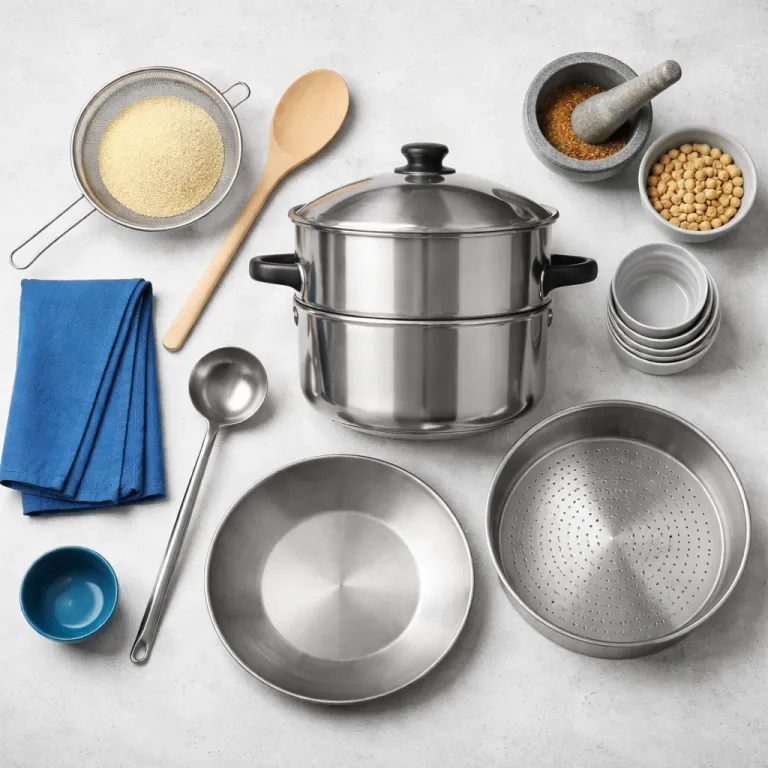
Algerian cuisine travel as a key to family luxury stays
Exploring Algerian food is not a side activity; it is the lens that turns a premium stay in Algeria into a genuine cultural immersion. In a country where Amazigh (Berber), Arab and French influences have all shaped how food is grown, cooked and shared, understanding the table means understanding the nation itself. For families booking luxury hotels, engaging with Algerian food traditions gives children and adults a shared narrative that goes far beyond a good pool or a large room.
In Algiers, the capital of Algeria, the day can start with a market visit where semolina, olive oil, ras el hanout and orange blossom water perfume the air. Many guided tours now pair these markets with cooking classes, so culinary discovery becomes a structured exploration rather than a random restaurant hunt. The stated aim of these experiences is clear: they promote cultural understanding, support the local economy and help preserve dozens of traditional Algerian dishes that risk being overshadowed by generic international menus. As one Algiers-based chef explained in a 2023 interview with the Algerian public broadcaster ENTV, every time a visitor learns to roll couscous or season a chorba, another family recipe is kept alive. While individual figures and quotes vary by source, local media and tourism officials consistently highlight this link between visitors and culinary preservation.
For premium families, this kind of curated immersion matters because it fits naturally around hotel life and children’s rhythms. A morning market walk of a few kilometres, an afternoon class in a cool kitchen, and an early traditional dinner can all be done within a short drive of central luxury properties in Algiers. When a hotel concierge opens a window onto this world and coordinates trusted partners, Algerian food-focused travel stops being intimidating and becomes as easy to book as a spa treatment or a driver to the airport.
The Friday couscous ritual: inside Algeria’s weekly family institution
Across Algeria, couscous on Friday is not a restaurant special; it is a weekly institution that shapes how families plan their time. Preparation often begins on Thursday evening, when semolina is rolled by hand into tiny grains, vegetables are washed and lamb, beef or chicken is marinated with ras el hanout and other North African spices. By Friday midday, after prayer, the dish comes to the table as a complete meal that unites generations and anchors the weekend.
Regional variations are striking and worth seeking out during Algerian culinary travel focused on depth rather than quantity. In Algiers, many families favour a light broth with chickpeas, turnips and tender lamb or beef, while in Kabylie wild herbs and robust olive oil give the couscous a more rustic taste. Constantine in the east often uses dried meat, and in Saharan towns on the edge of the Sahara Desert, couscous can be cooked slowly over charcoal, the steam scented with orange blossom for a subtle floral note.
Luxury hotels have started to respect this rhythm instead of competing with it, especially properties in Algiers that schedule a traditional Algerian Friday couscous lunch alongside international buffets. Families can sit by a large window overlooking the bay of Algiers, while servers explain how the semolina was steamed three times and which Algerian dishes on the table are traditional recipes. For more context on refined stays that integrate such rituals, our guide to refined stays in the city of Algiers shows how top properties now treat couscous as cultural heritage, not just another cooked grain on a buffet line.
From chorba beida to street food: mapping regional flavours for families
Once families grasp the Friday couscous ritual, food-focused journeys in Algeria open window after window onto regional flavours that reward curiosity. In Algiers, a bowl of chorba beida, the pale chicken and vermicelli soup scented with mint and lemon, is often the first traditional dish that children enjoy. Further east, chorba frik, thickened with crushed green wheat, offers a heartier texture that pairs beautifully with freshly baked bread and a glass of mint tea.
Street food in Algeria is another essential chapter, especially for teenagers who want something informal yet authentic. In coastal cities, you will find stands selling frites omelette, a generous omelette folded over a pile of French fries, often drizzled with harissa and olive oil and served in crusty bread. These Algerian food stalls are rarely glamorous, but they are clean, fast and a good way to taste how everyday dishes fuel a country that stretches from the Mediterranean to the Sahara Desert and connects to many other African countries through shared North African flavours.
Families staying at premium hotels can ask concierges to arrange guided street food walks that respect hygiene and children’s palates. Some itineraries combine a stop for bourek, a crisp pastry filled with lamb, beef or cheese, with a tasting of chakhchoukha or rechta in small restaurants that specialise in one dish only. For a broader context on why this culinary map makes Algeria one of the most compelling destinations in the region, our feature on why Algeria belongs on every luxury traveler’s radar explains how food, architecture and landscape intersect from Algiers to the Sahara Desert.
Where luxury meets the table: hotels and hidden culinary gems
Algerian cuisine travel for premium families works best when hotels act as gateways to the city rather than self-contained bubbles. In Algiers, Sofitel Algiers and other five-star properties now collaborate with local chefs, cultural centres and tour operators to offer cooking classes that focus on traditional recipes. A typical day might follow a simple timeline: a morning market visit, an afternoon session where couscous, chorba beida or chorba frik are cooked, and an evening dinner where the family eats what they have prepared.
Beyond the capital, high-end hotels in Constantine and several desert lodges near the Sahara Desert have started to highlight Algerian dishes that were once reserved for family tables. Guests can learn how semolina dough is transformed into delicate rechta noodles, or how olive oil and ras el hanout are balanced in slow-cooked lamb or beef stews. These experiences are not staged shows; they are run by local women and men whose families have cooked the same dish for decades, turning gastronomic travel into a respectful exchange rather than a performance.
Hidden gems often sit just behind an unmarked door or above a busy street, where a narrow staircase opens window by window onto private dining rooms. In Oran and Tlemcen, some families now host small groups for home-style dinners, serving couscous, regional food specialities and mint tea in spaces that feel both intimate and safe for children. For readers interested in how such insider experiences compare with refined guesthouses abroad, our article on an elegant B&B in Romsey for Algeria based travelers shows how the same principles of trust, discretion and good food apply across borders.
Practical guidance for families: etiquette, hydration and cultural context
Successful Algerian cuisine travel for families depends on a few practical habits that make every meal more comfortable. Dress modestly, especially when moving between hotel and family restaurants, and learn basic Arabic phrases so children can say thank you or compliment a dish. Respect local customs around water and tea; it is polite to accept at least a sip of mint tea when offered, and to understand that this sweet drink is as central to hospitality as any cooked food.
Hydration matters in a country where summer temperatures can climb, particularly near the Sahara Desert and in inland cities. Always carry bottled water for children, but do not miss the chance to taste local drinks flavoured with orange blossom, which often accompany pastries made from semolina and olive oil. When you sit down to eat, remember that couscous is widely regarded as the national dish and that many traditional recipes feature vegetables and legumes, so vegetarian family members will find plenty of options. Recent regional tourism reports indicate that Algeria now welcomes around two million international visitors a year, and a growing share of them cite food as a key reason to come, even though exact figures vary by source and methodology.
For families concerned about spice levels, the answer is reassuring: heat varies by region and by recipe, and many plates are naturally mild. Servers are used to adjusting seasoning for children, so ask which Algerian dishes are gentle and start with chorba beida, grilled fish, simple bread with olive oil or lightly seasoned street food before moving to stronger flavours. With visitor numbers rising and a clear increase in culinary tourism, food-focused itineraries have become structured enough that premium families can explore confidently while still enjoying the comfort, safety and service standards of luxury hotels.
FAQ: Algerian cuisine travel for luxury and premium families
Is Algerian cuisine suitable for children and picky eaters?
Algerian cuisine offers many mild dishes that work well for children, including plain couscous with vegetables, grilled chicken, simple bread with olive oil and gentle soups like chorba beida. Street food such as frites omelette or a basic French fry sandwich can also be adapted with fewer spices. Most restaurants in major cities are used to families and will adjust seasoning on request.
Are there vegetarian options in traditional Algerian food?
Yes, many traditional Algerian recipes are naturally vegetarian or can be prepared without meat. Couscous with vegetables, lentil stews, salads with tomatoes and peppers, and semolina-based pastries are widely available in restaurants and hotels. The observation that many dishes feature vegetables and legumes accurately reflects what travelers will find on most menus.
How spicy is Algerian food compared with other North African cuisines?
Spice levels in Algerian food vary by region and by dish, and they are often milder than some Tunisian specialities but comparable to many Moroccan plates. Harissa and ras el hanout bring heat and complexity, yet families can always request less spice, especially for children. This flexibility means travelers encounter everything from very mild soups to robust stews, often within the same restaurant.
Where can luxury travelers experience authentic Friday couscous?
In Algiers, Oran, Constantine and several Saharan towns, many high-end hotels now serve a traditional Friday couscous lunch that mirrors family customs. Properties in these cities often invite local cooks to prepare semolina by hand and to explain regional variations at the table. For an even deeper experience, concierges can arrange home dining with families who welcome small groups for the full Friday ritual.
What is the best way to plan a culinary day in Algiers?
A balanced culinary day in Algiers usually starts with a guided market visit in the morning, followed by a hands-on cooking class in the afternoon and a traditional dinner in a trusted restaurant or private home. This structure mirrors recommended timelines used by local cultural centres and tour operators, and it fits comfortably around a stay in a central luxury hotel. Families can adjust walking distances and timing to suit children, while still tasting a wide range of Algerian dishes in one compact itinerary.