Algeria spa wellness heritage for modern luxury travelers
Algeria spa wellness experiences begin long before you step into a hotel lobby. In this country, the hammam is a weekly ritual that shapes how couples think about health, relaxation, and shared time. Any meaningful visit that focuses on wellness should weave this living tradition into your itinerary so you can discover how local spa culture connects everyday life, water, and rest.
Across Algeria, spa customs grew from natural springs, caravan routes, and Roman bath practices that once animated cities like Timgad and Tipaza. Those Roman ruins are not just scenic backdrops; they signal a deep history of waters, mineral treatments, and communal bathing that still informs the best wellness spa concepts today. When you choose where to stay, look for properties located near historic areas that reference this rich past rather than treating wellness as a generic add-on.
Modern Algerian spa and wellness hotels now curate indulgence packages that combine hammam rituals, hydrotherapy, and tailored massages. Many of these offers are designed for couples who want quiet time together in a refined setting, with spa facilities reserved for private sessions or late evening slots. To get the full benefits, book in advance and ask the équipe to outline the full range of water-based treatments, from steam rooms to mineral pools and contrast showers that draw on the country’s long relationship with healing waters.
Inside the Algerian hammam ritual: structure, etiquette, and benefits
A traditional hammam session in Algeria follows a clear structure that rewards patience. You move gradually from warm to hotter areas, allowing the steam and water to soften the skin and calm the nervous system. This rhythm is central to Algerian spa culture, where health is seen as a balance between heat, rest, and cleansing, and where the benefits of water are understood as both physical and emotional.
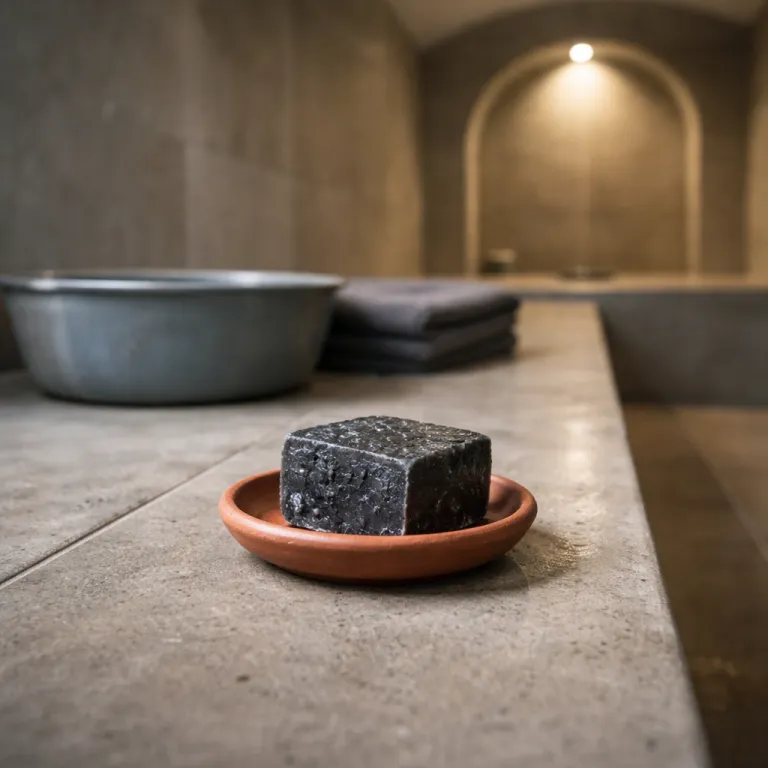
Expect to start in a temperate room where attendants pour warm water over you using copper buckets. You then progress into hotter spaces located deeper inside the hammam, where the air grows dense with steam and the sound of flowing water creates a cocoon-like setting. Here, savon noir made from olive oil is applied generously, preparing the skin for exfoliation that offers both cosmetic and circulatory benefits.
On a quiet weekday morning in Algiers, for example, you might notice the tiled floor warming underfoot as steam rises in slow clouds, the scent of eucalyptus mingling with orange blossom soap. An attendant taps your shoulder, gestures toward a marble slab, and begins the gommage with practiced, rhythmic movements; the scrape of the exfoliating glove, the splash of hot water, and the low murmur of conversation in Arabic and French turn the treatment into a sensory immersion rather than a simple wash.
Etiquette matters. In most Algerian hammams, men and women use separate areas or alternate hours, and modest swimwear or wrapped towels are standard. Bring your own flip-flops, respect quiet zones, and let the staff guide you through the sequence of rinsing, scrubbing, and rest, especially if you are new to this wellness spa world. For couples booking luxury hotels that include hammam access, check whether private spa facilities are available, as some properties now offer dedicated couples’ packages with reserved time slots and curated treatment ranges, often highlighted in their exclusive spa and wellness offers.
Hotel hammams versus neighborhood bathhouses: where authenticity meets comfort
Traditional hammams in Algeria are usually located inside dense urban areas, from Algiers’ lower Casbah to residential quarters in Oran and Constantine. These spaces are social hubs where generations share the same stone benches, and where the soundscape is as rich as the steam. For couples interested in discovering authentic Algerian hammam tradition, a visit to one of these bathhouses offers unmatched cultural immersion and a direct connection to local wellness habits.
Hotel hammams, by contrast, translate this heritage into controlled, design-led environments. Properties like Hotel El Djazair in Algiers operate full-service spa facilities with Turkish-style baths, saunas, and treatment rooms that prioritize privacy and comfort. In Oran, the Royal Hotel Oran (MGallery) offers a wellness area with hammam and sauna, while the Constantine Marriott and Sofitel Algiers integrate pools and wellness centers into their broader range of leisure facilities, often pairing water rituals with gourmet dining or skyline views, as detailed in guides to premium spa hotels in Algiers.
Both worlds have clear benefits. Neighborhood hammams deliver the most traditional experience, with natural rhythms, local products, and a strong sense of community. Luxury hotels, on the other hand, offer controlled temperatures, impeccable cleanliness, and staff trained to adapt treatments to international expectations, making them ideal for couples who want the best of both comfort and culture in one setting with carefully managed water quality and mineral-rich products.
Where to book: standout wellness spa hotels and independent centers
For couples planning an Algeria spa wellness escape, the choice of property shapes the entire trip. In Algiers, Hotel El Djazair’s historic gardens frame a wellness spa that blends Ottoman architecture with modern spa facilities, creating a setting where jasmine-scented air meets marble steam rooms. Sofitel Algiers adds a sleek indoor pool and wellness center, ideal for guests who want to alternate between water-based treatments and refined city dining.
Outside the classic hotel circuit, a new generation of wellness centers is redefining spa culture for locals and travelers alike. Aremys Évasion Spa offers private sessions with pool, jacuzzi, hammam, and sauna, making it a strong option for couples who value discretion and a curated range of services. Les Lys Spa, Spa Nawres, Jasmin d’Arabie Spa, Spa Maison Al Fatiha, and Spa L’O each focus on different areas of expertise, from hydrotherapy and mineral water treatments to aesthetic care and traditional hammam rituals, reflecting a broader national trend toward integrated health and wellness offers.
These independent centers are usually located in residential districts rather than tourist zones, which can be an advantage. You experience Algerian wellness as locals do, with pricing that often sits below the average 5,000 DZD benchmark for spa services reported in local surveys and regional press coverage of urban wellness trends (figures frequently cited in francophone lifestyle magazines between 2022 and 2023). To secure the best time slots and package benefits, book appointments in advance, ask clearly about the full range of spa facilities, and check whether seasonal promotions or couple-focused offers are available during your visit.
Ritual ingredients, thermal waters, and how to plan your couple’s escape
The sensory heart of Algerian wellness lies in its ingredients and waters. Savon noir, a paste-like soap made from crushed olives, prepares the skin for exfoliation, while ghassoul clay from the Atlas absorbs impurities and leaves a natural matte finish. Rose water and orange blossom water add a final aromatic veil, turning a simple rinse into a layered ritual with both emotional and dermatological benefits.
Across Algeria, spa traditions also intersect with thermal springs and mineral-rich waters that have been valued since Roman times. Several regions host natural hot water sources where locals have long sought relief for joint pain and respiratory issues, and where the combination of heat, minerals, and rest supports broader health goals. While not every luxury hotel is located near these areas, many wellness spa programs reference this heritage through hydrotherapy circuits, contrast water treatments, and curated tea menus that highlight the country’s rich agricultural terroirs.
For a couple’s itinerary, alternate intense hammam sessions with slower days focused on light swims, gentle massages, and long meals. Algerian spa escapes are not only about steam and scrubs; they are also about lingering over mint tea after your treatment or pairing a late afternoon massage with a refined dinner that celebrates regional cuisine, as explored in this guide to elegant Algerian hotel dining. To deepen the experience, plan at least one visit to a neighborhood hammam, one session in a hotel wellness spa, and, if possible, a day trip to a thermal area where natural water and quiet landscapes complete the arc of your wellness journey.
FAQ about Algeria spa wellness for luxury travelers
What is a hammam and how does it differ from a spa?
What is a hammam? A traditional steam bath popular in North Africa. In Algeria, a hammam is usually a multi-room bathhouse with progressively hotter spaces, where attendants use buckets of warm water, savon noir, and exfoliating gloves. A modern spa or wellness spa may include a hammam-style room, but it usually adds massage cabins, hydrotherapy pools, and a broader range of health and beauty treatments.
Are spa services in Algeria affordable for international travelers?
Are spa services in Algeria affordable? Yes, with prices varying by service and location. Independent centers and neighborhood hammams often sit below the average 5,000 DZD price point reported in local surveys, while luxury hotel spa facilities charge more but offer added privacy, design, and tailored wellness packages that many international couples still find competitive compared with European rates.
Do Algerian spas offer services for both men and women?
Do Algerian spas offer services for men and women? Many offer services for both genders; some are gender-specific. Traditional hammams typically separate men and women by time slots or by distinct areas located within the same building, while hotel wellness zones may provide mixed pool areas alongside gender-separated hammam or treatment rooms, so it is worth confirming the policy when you book.
How should couples choose between a hotel hammam and a traditional bathhouse?
Couples focused on comfort and privacy usually prefer hotel hammams, where staff can tailor spa packages, language support is easier, and spa facilities follow international standards. Travelers seeking cultural immersion and a more social atmosphere often choose neighborhood hammams, where the setting is livelier and the rituals feel deeply rooted in local life. A balanced itinerary includes both experiences, starting with a hotel wellness spa session to learn the basics, then moving to a traditional bathhouse once you understand the rhythm and etiquette.
When is the best time to schedule spa treatments during a trip?
For long-haul arrivals, schedule your first wellness session at least a day after landing, once you have adjusted to the time zone and climate. Many couples find late afternoon or early evening ideal, as the combination of heat, water, and massage prepares the body for deep sleep. If you plan multiple treatments, alternate intense hammam days with lighter wellness spa activities such as pool time or gentle facials to avoid overtaxing your skin and circulation.