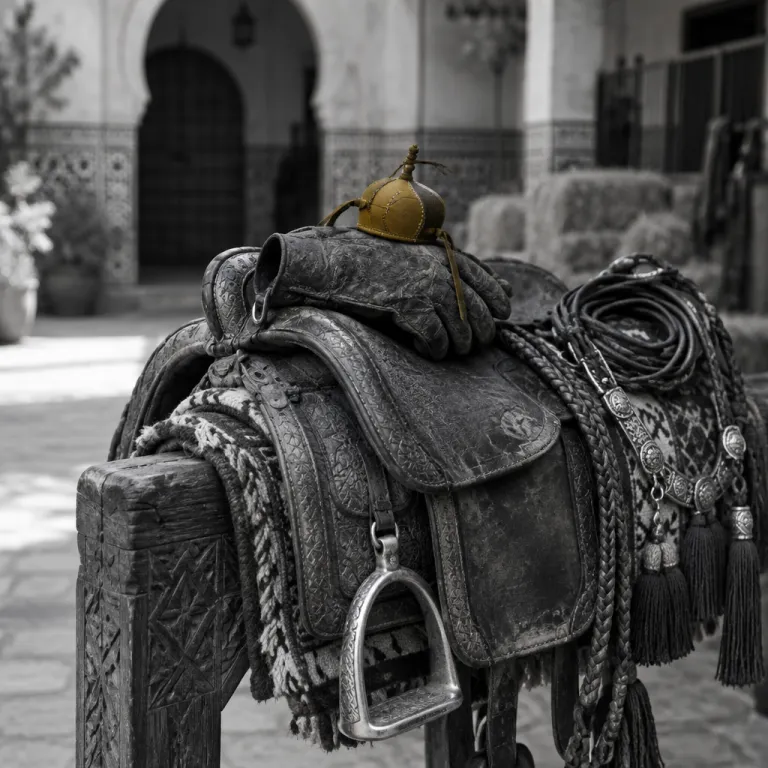
Algeria fantasia equestrian heritage for luxury minded families
Algeria fantasia equestrian heritage sits at the crossroads of spectacle and memory. On the high plateaus, horses and riders still stage a choreographed cavalry charge that feels both theatrical and deeply rooted in north African history. For families booking premium stays, this living equestrian culture turns a comfortable holiday into a rare window onto Algeria’s soul.
Across north Africa, fantasia is the umbrella term for these equestrian performances where a line of riders gallops in unison, then fires rifles in a single crack of sound. In Algeria, this is sometimes called fantasia Algérie, while in neighbouring Morocco the same form is known as tbourida, and both versions share Amazigh tribes origins and a shared Maghreb culture. When you watch a fantasia performance from the shaded terrace of a luxury property, you are not seeing a staged theme park show ; you are witnessing a ritual performed for local pride first and visitors second.
Families used to polished resort entertainment often find the raw energy of this cultural heritage unexpectedly moving. Children fixate on the decorated horse tack, the flowing burnous cloaks and the disciplined group leader who controls the timing of the charge. Parents, meanwhile, read the scene as living history, a faint echo of the famed Numidian cavalry that once dominated these plains with fast horses and light rifles or spears.
From Numidian cavalry to modern fantasia performances
The roots of Algeria fantasia equestrian heritage stretch back to the era when Numidian horsemen rode without saddles and outmanoeuvred Roman legions. Historians often link the modern cavalry charge of fantasia to these Numidian cavalry tactics, where speed, feints and dust clouds mattered more than heavy armour. Watching horses thunder past a luxury lodge today, you glimpse how martial drills evolved into cultural festivals.
Across north Africa, this equestrian art has absorbed influences from Ottoman, Arab and Amazigh tribes, yet the core performance remains recognisable. A row of riders urges their horses from a standstill into a full charge, then at a precise signal they raise rifles and fire together, the ideal being one single detonation. The form is both sport and art ; it is performed at rural festivals, family celebrations and, increasingly, as curated experiences for guests staying at high end estates on the steppe.
Families travelling between Morocco and Algeria sometimes compare fantasia Morocco events with fantasia Algérie displays. In Morocco, tbourida has been formally recognised as part of UNESCO intangible cultural heritage, while in Algeria the same intangible cultural practices live more quietly within local culture and regional festivals. When you plan a circuit through the high plateaus or a Saharan edge itinerary such as a refined Saharan oasis circuit road trip, you are moving through landscapes where these equestrian traditions still frame the social calendar.
Where luxury stays meet horses, riders and falcons
For premium family travellers, the question is not whether Algeria fantasia equestrian heritage exists, but how to encounter it without turning it into a caricature. The most rewarding settings tend to be countryside estates, palm groves on the fringes of towns and heritage style hotels that maintain small stables. Here, horses are part of daily life, not just props wheeled out for a fantasia performance when a tour bus arrives.
Some properties on the high plateaus collaborate with local equestrian fédérations or riding clubs to arrange private demonstrations for guests. A small group of riders will arrive in traditional dress, their horses braided and saddled with embroidered leather, and perform a short charge followed by calm interaction with children. The spectacle is brief but intense ; afterwards, families can approach the horses, ask questions about the rifles and tack, and understand how this cultural form fits into rural society.
In the Sahara facing regions, luxury lodges sometimes combine gentle horse rides with falconry demonstrations that echo older north African hunting practices. These are not mass tourism shows but carefully framed experiences, often timed for late afternoon when the light softens over the dunes. If you are planning a slow travel itinerary by rail, pairing a scenic leg such as an Algeria by rail journey with a countryside stay gives your family both comfort and access to authentic equestrian culture.
Why fantasia captivates children and parents alike
Part of the power of Algeria fantasia equestrian heritage lies in its layered meaning. For local communities, the fantasia charge is a statement of honour, hospitality and continuity, while for visiting families it reads as pure theatre. That duality keeps both children and adults engaged, each audience finding its own narrative in the dust and gunpowder.
Visual culture has long been fascinated by this north African spectacle. Painters such as Eugène Delacroix and Hassan Glaoui, and more recently Algerian artists like Nadjib Rahmani, have all interpreted horses and riders in motion, sometimes focusing on a single group leader, sometimes on the blur of a full cavalry charge. Their canvases underline how fantasia Morocco scenes and fantasia Algérie moments share a common visual language, even when the details of costume or rifles differ.
Families who have only seen horses in urban riding schools are often surprised by the intimacy between rural riders and their horses. Children notice how the animals respond to tiny cues, how the performance ends and the same horse lowers its head for a gentle pat. Parents, meanwhile, connect the dots between this living art form, the long history of Numidian cavalry and the broader intangible cultural heritage that still shapes daily life in Algeria and across Morocco and Algeria.
Experiencing fantasia respectfully from your hotel base
Engaging with Algeria fantasia equestrian heritage as a guest requires tact and a little preparation. The most respectful approach is to treat any fantasia performance as a community event first, even when it has been arranged through your hotel concierge. Ask staff about local etiquette, appropriate dress and whether photography is welcomed or should be kept discreet.
When a fantasia is performed near your property, arrive early enough to see how riders prepare their horses and check their rifles. Stand where your presence does not obstruct the charge line, and brief children about noise and safety so they are not startled by the gunfire. Many equestrian fédération members or local organisers will happily explain the meaning of the formation, the role of the group leader and how the timing of the shot defines the quality of the performance.
Participation usually means watching, not riding in the charge, and that boundary deserves respect even when you are paying for a premium stay. If your hotel offers gentle horse rides or falconry sessions, treat those as separate activities from the fantasia itself, which remains a cultural ritual rather than a guest amenity. In conversations with staff or hosts, you will often hear how these traditions link Algeria to the wider north African world of fantasia Morocco events, Morocco tbourida competitions and shared intangible cultural practices that cross modern borders.
How hotels curate equestrian encounters for premium families
Luxury and premium hotels in Algeria increasingly understand that families want more than a pool and a polished lobby. Many now act as discreet gateways into Algeria fantasia equestrian heritage, curating encounters that feel intimate rather than industrial. The best properties work with local Amazigh tribes communities, equestrian clubs and cultural associations instead of importing generic entertainment.
A typical arrangement might see a hotel sponsor a small team of riders from a nearby village, providing support for their horses and equipment in exchange for a few carefully scheduled performances each season. These events are usually performed in open fields just beyond the property, where dust, sound and movement can unfold safely. Guests watch from a shaded area, then share mint tea with the riders afterwards, turning a spectacle into a conversation about history, culture and daily life.
Some estates go further, integrating equestrian art into their interiors with prints of Eugène Delacroix, works inspired by Hassan Glaoui or contemporary pieces referencing Nadjib Rahmani or Rachid Talbi. These visual cues prepare guests for what they will see outside, linking the meaning of fantasy on canvas to the very real fantasia performance in the field. For families, this layered approach turns a hotel stay into a gentle masterclass on north African horses, riders and the enduring cultural heritage that still gallops across the Algerian landscape.
FAQ
What is fantasia in Algeria and how does it relate to tbourida in Morocco ?
Fantasia in Algeria is a traditional equestrian performance where a line of riders charges at full speed and fires rifles in unison, creating a single explosive sound. In Morocco, a closely related form called tbourida follows the same basic pattern, and both share roots in Amazigh and Arab cavalry practices. Together, these traditions form a core part of north African equestrian culture, with local variations in costume, choreography and ceremonial context.
Can families safely attend a fantasia performance while staying at a luxury hotel ?
Families can safely attend a fantasia performance when it is organised with proper crowd control and clear viewing areas, which many premium hotels now prioritise. Children should be prepared for loud rifle shots and kept at a respectful distance from the charge line, following guidance from staff and organisers. Choosing properties that collaborate with recognised equestrian clubs or fédérations adds an extra layer of safety and professionalism.
Are guests allowed to participate in the fantasia charge or only watch ?
Guests are almost always limited to watching the fantasia rather than riding in the charge, because the performance demands years of training and tight coordination among riders. Participation usually takes the form of meeting the horses and riders before or after the event, asking questions and sometimes trying basic riding under supervision away from the main arena. Respecting this boundary helps preserve the integrity of the cultural ritual while still giving families meaningful contact with the equestrian world.
How can I find a hotel in Algeria that offers authentic equestrian or falconry experiences ?
The most reliable approach is to look for countryside estates, oasis lodges or heritage focused hotels that mention stables, riding activities or cultural partnerships in their descriptions. When in doubt, contact the property directly and ask whether they work with local equestrian clubs, falconers or cultural associations rather than external entertainment agencies. It is also wise to plan itineraries through regions known for horse culture, such as the high plateaus or Saharan fringes, where these traditions remain part of everyday life.
Is fantasia recognised as part of UNESCO intangible cultural heritage ?
The Moroccan form of fantasia, known as tbourida, has been recognised by UNESCO as part of the intangible cultural heritage of humanity, highlighting its historical and social importance. Algerian fantasia shares many of the same roots and practices, even if it is less formalised at an international level. For travellers, this means that attending a well organised fantasia in Algeria offers insight into a broader Maghreb tradition that crosses modern borders while remaining anchored in local communities.