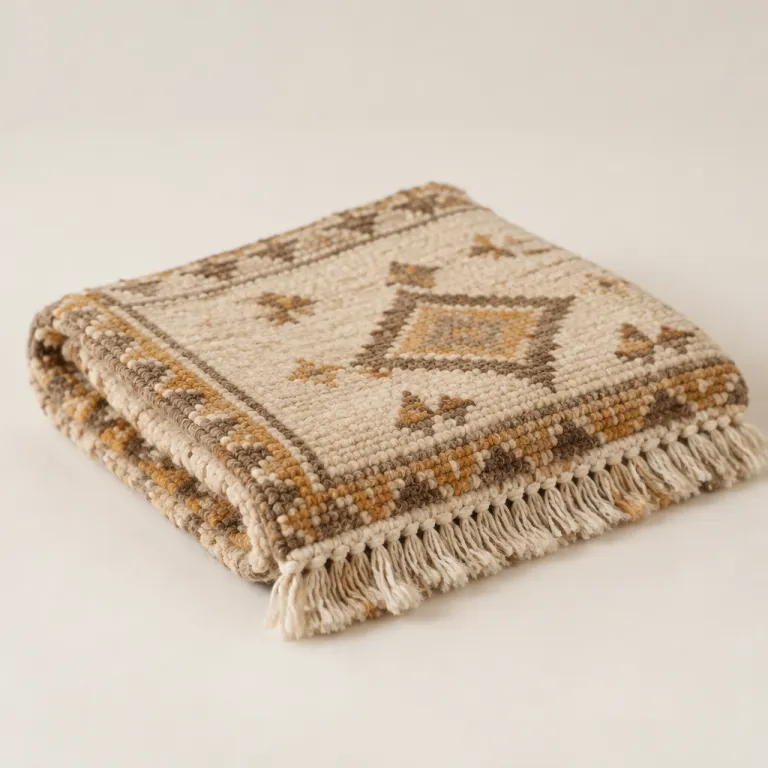
The Aures mountains: where wool, pattern and place meet
High above the plains of eastern Algeria, the Aures mountains form a self-contained world shaped by stone, wind and wool. This is where traditional Aures carpets and flat-woven rugs are still part of daily life, not a staged performance for passing tour groups. For luxury travelers planning hotels in nearby cities like Batna or Constantine, these high valleys offer a rare window into living Algerian culture and the local art of Berber weaving.
The region’s carpets and flat-woven rugs are rooted in Berber pastoral traditions, with sheep grazing on steep slopes that seem to lean toward the stars. Local families still speak the Chaoui language at home, and that language quietly informs the geometry, color and rhythm of each carpet pattern. When you walk into a village house, the floor often tells the history of the family more clearly than any framed photograph, turning each rug into a chapter of regional history and heritage within Algeria.
Unlike Kabyle ceramics or Tlemcen silk, Aures weaving focuses on wool, natural dyes and strong, architectural motifs that reflect this mountain landscape. The work is usually done by women, who balance household responsibilities with hours at the loom in a cool back room. For travelers used to polished hotel lobbies, stepping into this world of traditional weaving and intimate craft can feel like entering another dimension of Algerian culture, where everyday objects carry deep cultural meaning and express local identity.
Reading the patterns: how Aures carpets differ from other Algerian rugs
To understand Aures carpets, start with the wool under your feet. Aures wool tends to be springy and resilient, giving carpets a dense yet comfortable handle that suits both mountain homes and contemporary hotel suites. When you compare these pieces with other Algerian rugs from coastal cities or the Sahara, you notice how the Aures designs feel more angular, almost architectural, with a graphic clarity that appeals to design-focused travelers interested in regional art.
Color is another quiet signature of this cultural heritage, with deep reds, earthy browns and sharp ivory tones dominating many traditional rugs. These hues often come from local plant-based dyes, which age gracefully and give the carpet a soft, lived-in glow over time. In contrast, mass-produced carpets using synthetic dyes can look flat under hotel lighting, especially in premium rooms where every detail is scrutinized and where authentic Algerian art is expected to stand out as part of the interior design.
Motifs carry layers of history and heritage, from stylized diamonds that echo mountain peaks to stepped forms that some families link to ancestral journeys. In villages such as Menaa and T’kout, older weavers describe certain hooked shapes as “the road of our grandmothers,” a phrase recorded in a 2019 field survey by researchers from the Centre National de Recherche en Anthropologie Sociale et Culturelle. While no single pattern can summarize all of Algerian culture, Aures weaving offers a distinct visual language that complements the silverwork of Kabylie or the textiles you might encounter on an autumn in Kabylie mountain harvest trip described in specialized travel features. For families choosing one special carpet to bring home, learning these differences turns a simple purchase into a meaningful cultural encounter and a tangible piece of Algerian heritage.
The women behind the looms: cooperatives, family workshops and fair value
Behind every example of Aures weaving stands a weaver, usually a woman whose skill has been shaped by years of patient work. In many Aures villages, girls learn to handle wool and simple patterns long before they can read, absorbing the visual language of their elders. By the time they marry, their hands can translate complex cultural stories into rugs without a single sketch on paper, a living expression of Berber cultural heritage in this part of Algeria renowned for its textiles.
Some weavers now organize into small cooperatives, such as the Association des Tisseuses de l’Aurès in the Khenchela area, while others continue in family workshops that supply traders in Batna, Khenchela or even Algiers. In the village of Arris, one elder weaver summarized her work simply: “The carpet remembers what the women cannot write,” a quote later cited in a 2021 catalogue by the Musée National des Arts et Traditions Populaires. For travelers staying in luxury hotels that highlight Algerian art, asking where the carpets in the lobby come from can open a conversation about sourcing and fair payment. When a property partners directly with local weavers, the result is not only better carpets but a more honest expression of Algerian culture within the hotel’s design and day-to-day atmosphere.
Buying at the source matters because it keeps more value in the community and helps preserve fragile cultural heritage. It also allows you to see how water, light and space shape the daily rhythm of weaving, much as oasis hotels must rethink water in the desert as explored in analyses of how Algeria’s oasis hotels manage their scarcest resource. When you meet the women who turn raw wool into finished carpets, the idea of craft stops being an abstract label and becomes a relationship you can feel every time you step onto that carpet at home, linking your space back to this mountain culture.
Designing a family day around weaving: from hotel base to mountain workshop
For a premium family staying in eastern Algeria, Aures carpets and weaving traditions can anchor one of the most memorable days of the trip. Start from a comfortable hotel in Batna or Constantine, where concierge teams increasingly understand that guests want more than standard sightseeing. Ask them to arrange a driver and local guide who speaks both Arabic and the Chaoui language, so conversations in the mountains feel natural rather than transactional and your children can hear how local language shapes culture and daily life.
In a typical village visit, you might step into a modest home where rugs line the walls and a vertical loom stands in the corner like a quiet companion. Children often drift in and out, watching as women work the warp and weft with a rhythm that feels almost musical. For your own children, seeing this traditional weaving up close can be more powerful than any museum, because the art is still part of daily life rather than frozen behind glass, and because they can watch how the weaver’s hands turn wool into a finished work of art that reflects local history.
Many families choose one carpet together, debating colors and patterns the way others might discuss a painting. This shared decision becomes part of your family’s history and heritage, linking your living room back to a specific house in the Aures where the stars feel close and the nights fall quickly. If your travels also include Saharan stays, you can balance this mountain craft experience with desert wellness retreats that some guides describe in depth when exploring how Saharan camps reinvent the spa for thoughtful travelers, creating a fuller picture of Algerian culture from mountains to dunes and from weaving rooms to desert skies.
Choosing, paying and shipping: practical guidance for serious carpet buyers
Approaching Aures carpets with confidence starts with your senses. Run your hand across the carpet and feel whether the wool is soft yet resilient, rather than squeaky or overly shiny, which can signal synthetic fibers. Flip the carpet over and check that the back shows clear, even knots or tight flat weaving, a sign of careful work rather than rushed production; for pile rugs, a typical handmade Aures piece might show around 60 to 90 knots per square inch, dense enough for durability without feeling stiff.
Authentic Aures rugs often show minor irregularities in pattern or line, which reflect the human hand and the weaver’s personal interpretation of cultural motifs. Perfectly mechanical designs can indicate factory-made carpets that borrow Berber aesthetics without supporting local communities or preserving real cultural heritage. When in doubt, ask direct questions about who made the piece, how long it took and whether the seller works with specific families or cooperatives in this part of Algeria renowned for its weaving traditions. For reference, a medium-sized rug of about 1.5 by 2 meters can take several weeks of full-time work, and prices in local markets usually scale with size, knot density and the fineness of the wool.
For payment, expect prices to reflect the size, complexity and fineness of the work, and remember that bargaining is part of Algerian culture but should remain respectful. Discuss shipping options with your hotel or a trusted shipping agent, ensuring the carpet is rolled, never folded, and wrapped in breathable material before any plastic; a simple checklist is helpful: measure the rug, photograph front and back, confirm weight, and write the weaver’s name on the shipping form. If your wider itinerary includes remote desert properties that focus on water in the desert and sustainable operations, you will notice a shared thread; the best Algerian hotels and craftspeople treat both natural resources and human skill as treasures to be protected, not exploited, reinforcing the value of thoughtful cultural travel.
FAQ
Where should I base myself to visit the Aures weaving region ?
Most travelers choose Batna as a practical base, since it offers a growing range of comfortable hotels and easy road access into the Aures mountains. Constantine is another option for those who prefer a larger city with more premium properties and are willing to accept longer day trips. From either city, a private driver arranged through your hotel can reach key weaving villages within a few hours, making it realistic to visit workshops and return before nightfall while still enjoying urban Algerian culture in the evening.
How can I be sure a carpet is really handmade in the Aures ?
Handmade Aures carpets usually show slight irregularities in pattern and knotting, and the back reveals clear, individual knots or tight flat weaving rather than a glued backing. Ask the seller which village the carpet comes from, who wove it and whether the wool and dyes are local, then compare this story with what your hotel concierge or guide knows about the region. Buying directly from a family workshop or cooperative, when possible, gives you the strongest assurance of authenticity and supports the continuity of this local craft in Algerian culture and community life.
Are Aures carpets suitable for homes with children and high traffic areas ?
Yes, many Aures rugs are woven with dense, durable wool that handles daily use well, especially in living rooms or family spaces. Darker, earth-toned designs tend to hide minor spills or wear better than very pale carpets, which can be helpful for families. If you plan to place the carpet in a high-traffic area, ask for a thicker weave and consider a rug pad to protect both the piece and your floor, extending the life of the work while keeping it comfortable underfoot and preserving this small piece of cultural heritage.
Can luxury hotels in Algeria help arrange visits to weaving workshops ?
Higher-end hotels in cities like Constantine, Batna or even Algiers increasingly work with local guides who know the Aures region and its weaving communities. When you book, mention your interest in carpets and traditional craft so the concierge can plan a tailored day trip that fits your family’s pace. This approach keeps logistics smooth while ensuring that your visit respects local customs and supports genuine artisans, turning a day trip into a deeper encounter with Algerian cultural heritage and everyday rural life.
How do Aures carpets compare with other Algerian rugs in style and value ?
Aures pieces often feature bold, geometric motifs and a relatively restrained color palette, which contrasts with the brighter tones of some coastal Algerian rugs or the more intricate designs from other regions. For collectors and design-focused travelers, this makes them versatile in contemporary interiors while still carrying strong cultural identity rooted in Berber history. In terms of value, well-chosen Aures carpets offer a compelling balance of craftsmanship, durability and price, especially when bought close to the source in Algeria and accompanied by the story of the woman who wove them.
Sources
For deeper background on Algerian textiles and regional culture, consult works by the Musée National des Arts et Traditions Populaires in Algiers, research from the Centre National de Recherche en Anthropologie Sociale et Culturelle, and field studies published by UNESCO on North African intangible cultural heritage. A 2018 UNESCO report on traditional weaving in the Maghreb and a 2021 exhibition catalogue on Chaoui rugs at the Musée National des Arts et Traditions Populaires both highlight the Aures as a key region for understanding how carpets, language and women’s work sustain local culture over generations and keep this mountain craft alive.