Why timing your Algeria trip around festivals changes everything
Arriving in Algeria on an ordinary day shows you the architecture and landscapes. Arriving during a major festival folds you into living culture, where music, street performances and traditional rhythms spill from main squares into side streets. For a solo traveler, that shift in energy turns simple sightseeing into a series of curated cultural encounters.
When you plan around Algeria’s festival calendar, each region suddenly has a clear reason to visit on specific days. A quiet Roman theater in the highlands becomes an open air stage for Algerian music, while a Saharan town square hosts dance performances that reveal layers of traditional Algerian life. These events are not staged for visitors only; they are rooted in Algerian culture and cultural heritage, which makes the atmosphere both welcoming and authentic.
Luxury and premium hotels respond to this rhythm, especially in cities and heritage hubs where festivals Algeria wide draw international visitors. The best properties in Algiers, Constantine or Ghardaïa understand that a music festival or international festival changes guest expectations, from late check ins after night performances to concierge teams arranging theater tickets and private transfers. When you align your stay with a specific event, you gain both privileged access to culture and a front row seat to how local communities celebrate their own days of art, music, dance and theater.
The shape of Algeria’s cultural year for festival focused travel
Algeria’s cultural year is less about a single high season and more about waves of events. In coastal cities, the calendar leans toward music, theater and art forms that animate museums, concert halls and open air venues as temperatures soften. Inland, festivals Algeria wide follow agricultural cycles, religious days and ancestral gatherings that anchor Algerian culture in specific landscapes.
For a solo explorer planning festival focused travel, this means thinking in seasons rather than fixed dates, then confirming exact event schedules with official tourism offices or cultural centers. Spring and early summer often bring music and dance programs, international festival lineups and cultural events in Algiers, Oran and Constantine, where visitors can pair gallery openings with evening performances. Later in the year, Saharan towns and Amazigh mountain communities host gatherings that highlight traditional music, traditional Algerian crafts and local food rituals, giving your Algeria tour a strong sense of place.
Luxury stays track this rhythm closely, especially properties featured in in depth guides to Algeria tourism for discerning travelers and hidden gems. When a major festival or international festival is announced, the best hotels quietly adjust their services, from arranging private guides who understand Algerian music history to securing seats at sought after theater performances. If you time your travel to coincide with these cultural peaks, you experience Algeria not as a static destination but as a living, shifting stage where culture, art and hospitality move together.
Timgad, ancient stages and the power of open air performances
Few places capture the spirit of Algeria’s cultural calendar like Timgad, the ancient Roman city in the Aurès mountains. By day, its grid of ruins and the Roman theater feel almost contemplative, with stone tiers looking across a high plateau landscape. On festival days, that same ancient Roman amphitheater becomes an open air arena for Algerian music, dance and theater that echo against two thousand years of history.
When the Festival International de Timgad or other cultural events activate the site, visitors see how cultural heritage is not just preserved but performed. An international festival here might pair traditional music from the Aurès with contemporary art forms, or alternate local dance performances with guest artists from across the Mediterranean. One solo traveler described sitting among local families in the Roman theater and hearing a chaâbi singer pause to thank “everyone who crossed mountains and borders to share this night,” a moment that captured how Algerian culture bridges past and present.
Luxury travelers often base themselves in nearby cities such as Batna or Constantine, using private transfers to reach Timgad for evening performances and late night returns. Planning ahead is essential, because festival events compress hotel availability across several days and the best rooms sell out quickly. If you are drawn to textiles and craft as much as music, pairing a Timgad stay with a visit to weaving communities in the Aurès and reading about the carpets of the Aurès and their weaving traditions can deepen your understanding of how art, culture and landscape interlock in this region.
Desert gatherings, carpet festivals and hidden valley culture
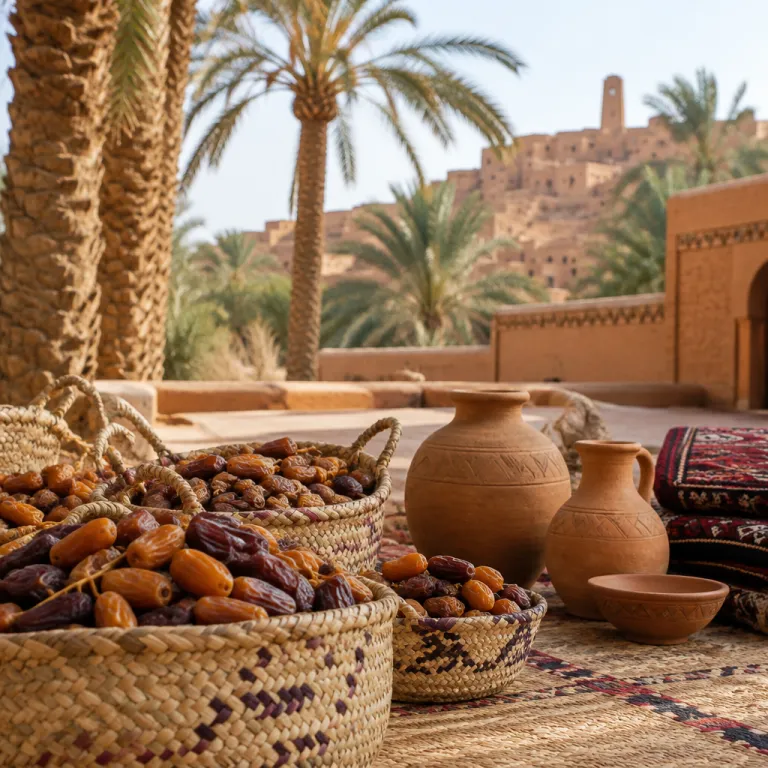
The Saharan south adds another layer to Algeria’s festival year, especially for travelers who want both silence and celebration. In the M’zab region, the Zab valley and the city of Ghardaïa host cultural events that revolve around oasis life, trade routes and religious traditions. A carpet festival here, often centered on the famed Ghardaïa carpet, turns market squares into galleries of color where traditional Algerian motifs tell stories of migration, faith and water.
During these festivals Algeria wide, you can watch local weavers present their work as living art forms while Algerian music and traditional music frame the day. Dance performances may be modest compared with coastal music festivals, yet the intimacy of these events makes them some of the best experiences for understanding how culture and daily life intertwine. When you walk through the Zab valley during a festival day, you see how cultural heritage is not confined to museums but woven into every alley, terrace and rooftop.
High end guesthouses and premium hotels in Ghardaïa adapt to this rhythm, offering terraces that overlook processions and private salons where you can examine carpets in calm after the crowds thin. If you are planning a wider Sahara focused Algeria tour, consider linking these events with a refined Saharan oasis circuit between Ghardaïa and Timimoun, where desert lodges can arrange private guides who understand both landscape and local culture. This is where Algeria discover moments happen quietly, as you move from festival energy to dune silence within a single day.
Practical etiquette, hotel strategy and verifying Algeria’s moving dates
Building an Algeria festivals cultural calendar travel plan works best when you combine cultural curiosity with clear logistics. Festival dates in Algeria can shift from year to year, especially those tied to religious calendars or local decisions, so you should always verify current schedules with Algerian tourism offices, municipal cultural departments or venue specific announcements. Never rely on old blog posts or outdated guidebooks when planning around a major event.
Respectful etiquette is straightforward yet essential, particularly when you attend cultural events in smaller towns or during religiously inflected festivals. Dress modestly, ask before photographing people, and follow local cues about where visitors should sit during theater performances, music and dance shows or open air ceremonies. When in doubt, a quick question to your hotel concierge or a local guide can prevent missteps and often leads to invitations into more intimate gatherings that reveal deeper layers of Algerian culture.
From a hotel strategy perspective, treat any major festival or international festival as a peak period and book your preferred property at least two to three months ahead for popular cities, and even earlier for Timgad or Ghardaïa. Luxury and premium hotels near key venues, whether a Roman theater, a coastal concert hall or a Saharan square, often require multi day stays during big events, so align your travel days accordingly. If you remain flexible on exact dates but clear on the type of culture you want to experience, you can let the calendar guide you toward the best balance of performances, comfort and meaningful contact with local communities.
How luxury stays frame Algeria’s festivals for solo explorers
For solo travelers, the right hotel can turn Algeria festivals cultural calendar travel into a seamless, deeply personal journey. High end properties in Algiers, Oran, Constantine or Ghardaïa often act as cultural concierges, curating access to music, theater and art events that might otherwise feel opaque to first time visitors. A well briefed front desk can secure tickets, arrange transfers to open air venues and suggest which day of a multi day festival offers the best atmosphere for a solo guest.
Many luxury hotels now collaborate with local artists, musicians and theater companies, hosting small scale cultural events in house that complement larger citywide festivals Algeria wide. You might attend an intimate Algerian music recital in a lounge before heading to a larger international festival performance, or join a rooftop gathering where traditional music and contemporary art forms meet. These experiences allow you to engage with Algerian culture in both grand and quiet ways, always returning to a space of comfort and privacy.
When you plan your Algeria tour around festivals, think of your hotel as both base camp and cultural lens rather than just a place to sleep. Ask specifically about upcoming events, dance performances, carpet festival dates or Timgad international programs when you book, and choose properties whose teams speak confidently about Algerian culture and cultural heritage. That is how Algeria discover moments accumulate across days, until your trip feels less like a checklist of sites and more like a carefully scored piece of Algerian music, with each event and stay forming a distinct movement.
FAQ
How far in advance should I book hotels for major festivals in Algeria ?
For major festivals Algeria wide, especially in Timgad, Ghardaïa or coastal cities, you should book luxury and premium hotels several months ahead. Properties near key venues such as the Roman theater or main squares often sell out quickly once cultural events are announced. If you prefer specific room types or suites, early booking is the only reliable way to secure them.
Is it safe to attend Algerian festivals as a solo traveler ?
Most cultural events and festivals in Algeria are community focused and feel welcoming for solo visitors who follow basic precautions. Stay in reputable hotels, use trusted transport arranged by your property and avoid very late night walks in unfamiliar neighborhoods. As in any country, staying aware of your surroundings and respecting local norms goes a long way.
How can I verify current festival dates and locations ?
Because Algeria festivals cultural calendar travel depends on accurate dates, always confirm information with official Algerian tourism offices, municipal cultural departments or venue specific channels. Many cities maintain cultural centers that publish updated schedules for music, theater and art events. Your hotel concierge can also cross check dates and help secure tickets.
What should I wear to cultural events and festivals in Algeria ?
Opt for modest, comfortable clothing that respects local expectations while allowing you to move easily between day visits and evening performances. Lightweight layers work well, especially if you attend open air events in desert regions where temperatures drop at night. Closed shoes are practical for ancient Roman sites like Timgad, where stone steps and uneven ground are common.
Which regions are best for combining luxury stays with cultural festivals ?
Algiers, Oran and Constantine offer strong combinations of high end hotels with rich cultural events, from music festivals to theater seasons. Ghardaïa and the Zab valley region are ideal if you want carpet festivals, oasis culture and refined guesthouses in one trip. Timgad and the Aurès mountains suit travelers who value ancient Roman heritage, open air performances and quieter, heritage focused stays.
References
Office National du Tourisme Algérien; Ministère de la Culture et des Arts d’Algérie; UNESCO World Heritage Centre; official programs for the Festival International de Timgad and regional cultural centers in Ghardaïa and Oran.