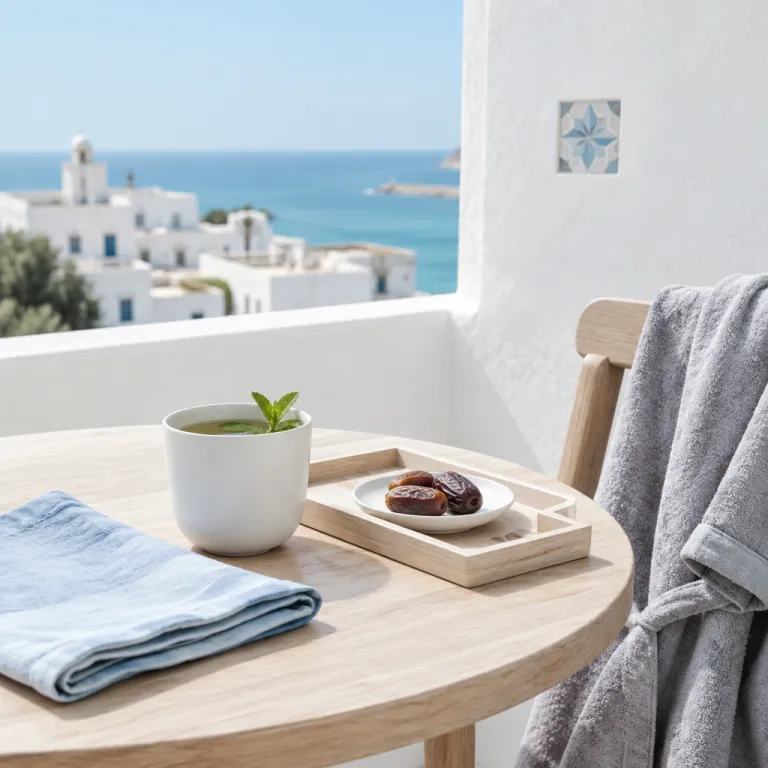
Algria reimagined as a gateway to Algeria’s hidden luxury
Algria has become a shorthand for a more refined way to talk about Algeria’s luxury travel scene, especially when visitors imagine shimmering Mediterranean light, discreet service, and quietly elegant hotels. In this vast North African country, premium hotel booking now blends the energy of the city with the serenity of remote landscapes, giving travellers a sophisticated tool to plan every day of their stay. For guests who value health, privacy, and culture, the new generation of Algerian properties offers curated experiences that feel both international and deeply rooted in local traditions.
When you book through a specialised Algria-focused platform, you navigate options from the historic city of Algiers to Saharan retreats with clear filters for climate, wellness, and style. The capital city Algiers, often called the White City, concentrates much of the country’s luxury inventory, yet hidden gems stretch from the Mediterranean coast to the Saharan Atlas Mountains in the south. This is where the contrast between the cool sea air of the north and the dry desert climate creates distinct hotel seasons, so planning by month and by year becomes essential for premium travellers who want the right balance of comfort and authenticity.
Algeria’s total population and growing middle class are reshaping demand, and the population estimates for major cities show a steady rise in domestic luxury travel. As the People’s Democratic Republic of Algeria strengthens its tourism strategy, the government encourages investment that respects heritage buildings and the fragile coastal environment. For international guests arriving from France, the United States, or the wider Middle East, this means more high-end rooms, better service training, and a booking journey that finally reflects the scale and character of this North African republic.
Algiers and the coast: where algria luxury meets living history
In the city of Algiers, Algria takes on a coastal elegance shaped by French colonial architecture and Ottoman palaces. The upper districts of the city offer sweeping Mediterranean views, while the lower quarters around the port reveal layers of history from the Algerian War of Independence to the modern business district. For travellers, this mix of past and present means you can book a premium room, then step outside into streets where everyday life still feels authentically Algerian and pleasantly unscripted.
Luxury and premium hotels in Algiers city cluster around key neighbourhoods such as Hydra, El Biar, and the seafront, each with a different atmosphere and rate estimates for nightly stays. Properties in these areas often cater to international business people, diplomatic staff, and health travellers who value reliable Wi‑Fi, refined dining, and secure transport to the airport. When you compare options, look beyond the room photos and check how each hotel connects you to the wider country, from airport transfers to curated excursions along the north coast or day trips into nearby hills.
Many travellers researching Algria-style stays in Algiers also want smaller characterful properties, and a useful starting point is this guide to charming small hotels in Algeria. These addresses often sit in renovated French-era villas or restored townhouses, giving people a more intimate sense of the city and its population. One recent reviewer described a stay in a hillside villa as “waking up in a museum that still laughs at breakfast,” capturing how these places combine history with warmth. They also tend to work closely with local guides, so you can explore the Casbah, learn about the civil war period, or trace the legacy of leaders like Ahmed Ben Bella without sacrificing comfort or safety.
From Kabylie to the Saharan Atlas: algria in the mountains and olive groves
Beyond the capital, Algria reveals itself in mountain villages, forested hills, and terraced olive groves that feel far removed from the busy city. The Kabylie region east of Algiers, with its cool climate and rugged peaks, offers premium guesthouses where Algerian hospitality is expressed through food, music, and long conversations over mint tea. Here the Mediterranean influence meets Amazigh (Berber) traditions, and people often plan their stay around seasonal events such as the autumn olive harvest or village festivals.
For travellers who care about health and slow travel, staying in these mountain properties can be more restorative than a classic resort on the north coast. Many hosts organise guided hikes into the Saharan Atlas foothills, where you can walk between villages, visit Roman ruins, and understand how the country’s population has adapted to both drought and abundance. A detailed look at the olive harvest season, including how it shapes Algerian tables and rural life, can be found in this feature on the olive season and autumn harvest.
Further south, as you approach the Saharan Atlas proper, Algria becomes synonymous with desert lodges that balance comfort and remoteness. These properties often rely on natural gas and solar energy, reflecting how Algeria manages its resources between export and local use. One lodge owner near the high plateaus explains to guests how each solar panel and well is monitored, turning a simple walk around the property into a lesson in resilience. When you book, pay attention to how each lodge handles water, waste, and guest health, because responsible operations in this part of North Africa directly affect fragile ecosystems and the well-being of nearby communities.
Roman cities, desert oases, and algria’s hidden heritage circuit
Many travellers associate Algria with the capital alone, yet some of the country’s most remarkable luxury experiences sit near ancient Roman cities and Saharan oases. In northern Algeria, premium hotels and guesthouses around Djemila and Timgad allow you to sleep close to UNESCO-listed ruins, then wander colonnaded streets in the soft morning light. These stays attract people who want culture first, comfort second, and they often book longer to explore both sites in depth and at a slower pace.
If you are planning such a trip, this practical guide to Algeria’s Roman cities helps you understand distances, road conditions, and the best times of day to visit. The climate in these inland areas can be harsh, with hot summers and cold winters, so choosing a hotel with good insulation and reliable heating or cooling is essential. Many properties now highlight their health and safety standards, including food hygiene and water treatment, which reassures international guests from France, the United States, and the wider Middle East.
Further south again, near desert towns such as Ghardaïa and Timimoun, Algria takes the form of ksar-style lodgings built in traditional materials. These oases sit on ancient trade routes that once linked North Africa to the Sahel and beyond, and their populations have preserved distinctive architecture and social customs. When you stay here, you experience a different rhythm of day and night, shaped by the desert climate and by centuries of adaptation to scarce water and long-distance commerce.
Geopolitics, history, and how they shape algria travel today
Understanding Algria as a travel concept also means understanding how Algeria’s modern history and geopolitics influence where and how you can stay. The Algerian War of Independence against France left deep marks on the country, from memorials in Algiers city to stories shared in small towns, and this history still shapes how people view international visitors. Many premium hotels now integrate cultural programming that explains this period with sensitivity, helping guests connect respectfully with their hosts and the wider population.
Algeria’s position in North Africa, bordering Tunisia, Libya, Niger, Mali, Mauritania, Morocco, and Western Sahara, gives it a complex regional role that affects tourism flows. The government in the capital, led by President Abdelmadjid Tebboune and the prime minister, balances security concerns with a desire to grow the tourism sector as a complement to natural gas exports. Diplomatic relations with France, the United States, and partners in the Middle East influence air routes, visa policies, and the type of international investment that reaches the hospitality industry.
Within this republic, debates about civil war memories from the Black Decade, the role of religion, and the balance between central authority and local autonomy all shape how different regions open to visitors. Travellers sometimes ask whether the Republic of Algeria resembles other people’s democracies, yet the political system is officially a semi-presidential republic with its own institutions and legal framework. Judicial bodies, including the Constitutional Court and higher courts, influence business regulations, property rights, and the environment in which luxury hotels and guesthouses operate.
Practical booking strategies for premium stays across algria
When you plan a luxury trip framed by the idea of Algria, start by mapping your route between the Mediterranean coast, the interior highlands, and the Sahara. Distances in this country are large, and even with good roads between major hubs, you should allow at least one full day for overland journeys between regions. Many travellers choose to combine Algiers city with one Roman site and one desert stop, which creates a balanced itinerary that reflects both the population centres and the quieter landscapes.
On specialised booking platforms, filter by health and wellness facilities, sustainability practices, and verified guest reviews rather than only by star rating or rate estimates per night. Pay attention to whether a property is used mainly by international business people, by Algerian families, or by tour groups, because this affects the atmosphere in shared spaces. In coastal areas of northern Algeria, the Mediterranean climate supports a long season from spring to late autumn, while desert stays are more comfortable in cooler months, so align your bookings with the time of year and your tolerance for heat.
Finally, remember that Algeria’s total population is concentrated in the north, so rural and Saharan areas feel much quieter and more intimate. This contrast between dense urban population estimates and sparsely inhabited desert zones is part of Algria’s appeal, especially for travellers seeking silence and star-filled skies. As diplomatic ties with the White House and other international partners evolve, flight options and tourism infrastructure will likely expand, making it easier for people from across Africa, Europe, and beyond to experience Algeria’s most refined stays.
Key figures that frame luxury travel and algria in Algeria
- Algeria’s total population is estimated at about 45 million people, with more than 60 percent living in urban areas along the Mediterranean coast, which concentrates most premium hotel development (World Bank, World Development Indicators, 2023).
- The city of Algiers and its wider metropolitan area host roughly 3 million residents, making it the largest urban market for luxury and business hotels in the country (Office National des Statistiques, latest metropolitan population release).
- Tourism’s direct contribution to Algeria’s GDP remains under 5 percent, significantly lower than neighbouring North Africa destinations such as Tunisia and Morocco, which signals strong growth potential for high-end and experiential stays (World Travel & Tourism Council, recent country profile estimates).
- Hydrocarbons, especially natural gas, account for around 90 percent of Algeria’s export revenues, so government diversification plans increasingly highlight tourism and hospitality as strategic sectors for the next decade (Ministère du Tourisme et de l’Artisanat, national policy reports).
- Average summer temperatures in coastal northern Algeria range between 25 and 30 degrees Celsius, while Saharan regions can exceed 40 degrees during the hottest part of the day, which strongly influences seasonal pricing and occupancy patterns for luxury properties (Météo Algérie, long-term climatological data).
FAQ about algria, Algeria, and luxury hotel bookings
Is Algeria safe for luxury travellers who want to explore remote areas ?
Most major tourist routes in Algeria, including Algiers, key coastal cities, and well-known desert oases, are considered stable for organised travel. Security conditions can vary by region, so it is essential to check your own government’s travel advice and work with reputable local operators. Premium hotels and desert lodges usually coordinate closely with authorities and provide secure transfers, which adds an extra layer of reassurance.
When is the best time of year to book luxury hotels in Algeria ?
The most comfortable months for combining coast, interior, and Sahara are generally spring and autumn, when temperatures are milder. Summer can be pleasant along the Mediterranean but extremely hot in desert regions, while winter brings cooler weather and lower rates in many areas. Booking several months ahead is wise for peak holiday periods, especially in Algiers city and popular coastal resorts.
Do luxury hotels in Algeria cater well to international guests from France and the United States ?
High-end properties in Algiers and major tourist hubs increasingly offer multilingual staff, with French and English widely spoken, and sometimes Arabic dialect support for Middle East visitors. Many hotels understand the expectations of guests from France, the United States, and other international markets regarding service standards, health protocols, and connectivity. It is still advisable to confirm specific needs in advance, such as dietary requirements or accessibility features.
How does Algeria’s climate affect the choice between coastal and desert stays ?
Coastal regions benefit from a Mediterranean climate with moderate temperatures and sea breezes, which suits travellers who prefer milder conditions and easy access to the sea. Desert regions in the Saharan Atlas and further south offer dramatic landscapes but experience large temperature swings between day and night, especially in summer. Many visitors choose to split their itinerary, enjoying the coast first and then heading south when conditions are more comfortable.
Are there luxury options near Algeria’s Roman sites and historical towns ?
Accommodation directly beside some Roman sites remains limited, but there is a growing selection of comfortable guesthouses and small upscale hotels within driving distance. Around Djemila, Timgad, and certain historic towns in the highlands, hosts increasingly focus on quality bedding, good food, and guided cultural experiences. Using a specialised Algria-oriented booking platform helps you identify these hidden gems and coordinate transfers between heritage sites and your chosen stays.