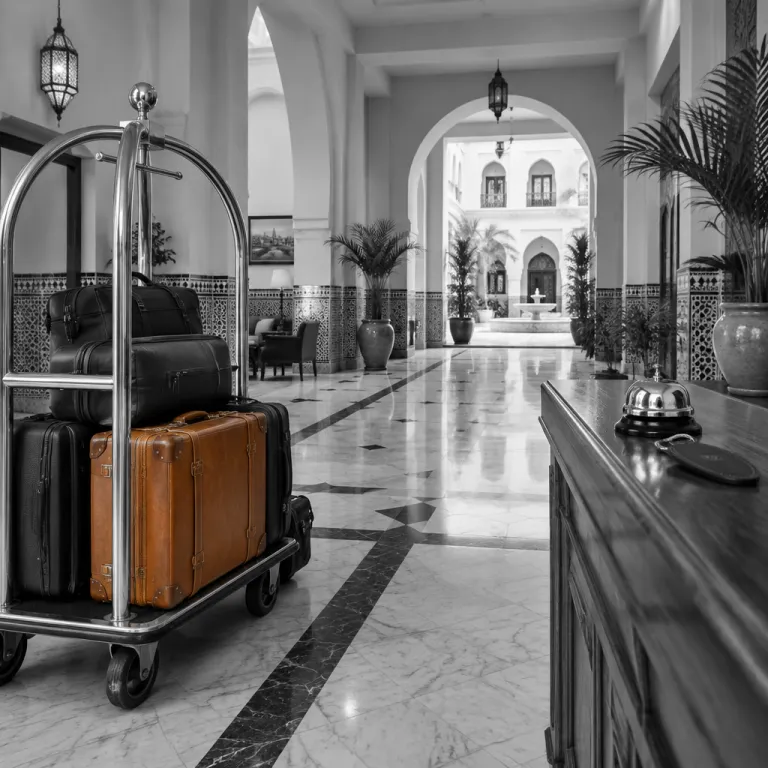
Why luxury travellers choose to visit Algeria now
Many discerning travellers are starting to visit Algeria for its rare mix of Mediterranean light and Saharan drama. When you plan any travel in Algeria, you balance indulgence with a clear view of health, security, and cultural expectations, because this country rewards informed curiosity. Luxury hotels in major cities help people navigate local laws and customs, so guests can relax while still exercising a high degree of awareness.
Algeria offers refined coastal stays in Algiers and Oran, desert lodges in the Hoggar near Tamanrasset, and historic palaces in Constantine that turn a simple trip into a layered journey. Before you confirm any Algeria travel itinerary, you should read official travel advice about entry and exit rules, understand which areas near the border are sensitive, and check whether your travel insurance includes robust medical coverage. High end properties often liaise with local authorities and private health care providers, which reassures travellers who want both cultural immersion and rapid access to medical support if a health risk appears.
When you travel Algeria for the first time, the contrast between polished hotel lobbies and the raw beauty of the country can feel intense. In March 2023, a guest at a five star property in Algiers described how the concierge quietly adjusted her plans after monitoring embassy alerts about a demonstration, rerouting her to museums and the Kasbah instead of a busy square. This blend of curated comfort and practical care lets you stay informed about specific risks, while still enjoying the generous hospitality for which Algerian people are widely respected.
Algiers and coastal elegance with a high degree of care
Algiers is usually the first stop when people visit Algeria, and its premium hotels stretch along the Bay of Algiers with sweeping views of the Mediterranean. These properties understand that modern travellers want both refined design and clear information about health, security, and local laws, so many now provide multilingual briefings on arrival. You can expect staff to explain which central areas are ideal for evening walks, and which districts you should avoid at night as a basic risk management measure.
When planning travel in Algeria’s capital, look for hotels that maintain close contact with local authorities and can coordinate consular services if needed. Embassies and each embassy consulate in Algiers regularly update their travel advice, especially regarding any threat of terrorism, demonstrations, or changes to entry and exit procedures. Premium hotels often share this information discreetly with guests, helping them respond to concrete alerts such as temporary road closures, curfews, or protest routes without feeling alarmed or overwhelmed.
Wellness focused travellers can pair a coastal stay with mountain retreats, using curated experiences such as late summer wellness in Algeria’s mountain springs and forest retreats to extend their journey. These escapes highlight how carefully managed health care, clean water sources, and low levels of infectious diseases in certain regions can support restorative travel. As always, you should still carry comprehensive travel insurance that covers medical evacuation, because even in low risk areas, responsible travellers plan for unexpected health issues.
Hidden gems beyond the capital for refined stays
Once you visit Algeria beyond Algiers, a network of lesser known destinations opens up for luxury and premium hotel bookings. In Oran, high end properties overlook the sea and the Santa Cruz fortress, while in Constantine, clifftop hotels give travellers dramatic views of deep gorges and historic bridges. These cities feel far from any border risk, yet responsible travel in Algeria still means checking current travel advice and understanding how local authorities manage security in each region.
Gourmet focused guests often time their Algeria travel to coincide with the olive harvest, when rural estates near Tlemcen and Kabylia host intimate stays. Articles such as this feature on the olive season and the autumn harvest that flavours Algerian tables show how food, landscape, and culture intertwine across the country. Luxury hotels in these areas usually provide safe drinking water, clear guidance on any local infectious diseases, and access to medical care in nearby towns, which reduces health risk for international travellers.
In every region you visit in Algeria, from coastal cities to high plateaus, you should exercise high caution when planning excursions into remote areas. Premium concierges can advise which valleys, forests, or archaeological sites are suitable for day trips, and which lie too close to sensitive border areas near Mali or Niger. Their role is not only to arrange private drivers and guides, but also to help people avoid unnecessary exposure to security incidents while still enjoying the depth of the country.
Saharan luxury and the reality of border areas
For many travellers, the decision to visit Algeria is driven by the dream of the Sahara, with luxury camps around Djanet and Tamanrasset offering candlelit dinners under vast skies. These experiences can be extraordinary, yet they also require a higher degree of caution because some desert zones lie closer to the border with Mali or Niger. When planning any travel in Algeria’s deep south, you must follow current travel advice from your embassy or consulate and listen carefully to local authorities.
Security services in the south work to reduce the threat of terrorism and limit the risk of isolated terrorist attacks, especially in remote areas. Premium operators typically coordinate with security forces and consular services, ensuring that travellers avoid restricted tracks and do not approach sensitive border areas without permission. This cooperation allows guests to enjoy dune walks, rock art excursions, and stargazing while still exercising high caution in a region where the environment and security context both demand respect.
Health considerations also matter in the Sahara, where heat, limited water, and distance from advanced health care can quickly turn minor issues into emergencies. Travellers should carry travel insurance that includes medical evacuation, declare any chronic health conditions in advance, and ask camps how they handle fever, dehydration, or other urgent medical needs. When you travel Algeria in desert regions, the most reputable operators combine refined comfort with clear protocols, so people can focus on the silence of the dunes rather than worrying about every possible risk.
Health, water, and medical preparedness for luxury stays
Anyone planning to visit Algeria for a premium holiday should think carefully about health before booking flights or hotels. While the country does not generally require a yellow fever vaccination unless you arrive from a yellow fever endemic state, travellers should still review their routine immunisations and speak with a medical professional about regional infectious diseases. High end hotels often provide filtered water, yet many health care specialists still recommend that visitors drink bottled water and avoid ice of uncertain origin, especially outside major cities.
Comprehensive travel insurance with strong medical coverage is essential for all Algeria travel, including short city breaks and longer desert itineraries. Even though urban hospitals offer a reasonable standard of health care, serious cases may require evacuation to another country, which can be extremely expensive without adequate insurance. Luxury properties sometimes maintain direct contacts with private clinics and can arrange rapid medical consultations if guests develop a sudden fever or other worrying symptoms during their travel in Algeria.
People who take regular medication should carry enough for the entire trip, along with prescriptions and a letter from their doctor in case local authorities or consular officers ask for clarification. If you have questions about health risk, you can contact your embassy consulate or review consular services online before you visit Algeria, then share any specific concerns with your hotel so staff can help you avoid problematic areas or activities. This shared responsibility between travellers, medical advisers, and hospitality teams keeps the overall degree of risk low while allowing guests to enjoy the country’s varied landscapes.
Security, laws, and smart use of digital tools when you travel Algeria
Understanding local laws and security practices is part of any refined plan to visit Algeria, especially for guests booking luxury stays. The country maintains strict rules on photography of government buildings, police, and military sites, and people should avoid posting sensitive images on social media to reduce unnecessary risk. Male dual nationals should also clarify any questions about military service obligations with their embassy consulate before finalising travel in Algeria, because entry and exit rules can be complex in specific cases.
Official travel advice from your home authorities usually highlights the need to exercise a high degree of caution in some regions, particularly near the border with Mali or Niger. While most Algeria travel takes place without incident, there remains a residual threat of terrorism, and isolated terrorist attacks have occurred in the past, mainly targeting security forces rather than tourists. Luxury hotels in major cities maintain close relationships with local authorities and can relay consular information quickly, helping travellers adjust plans if the security situation changes in specific areas.
Specialist booking platforms focused on premium stays in North Africa, such as refined resorts in Africa for Algerian travellers seeking world class stays, increasingly integrate safety briefings alongside hotel descriptions. These services encourage guests to register with consular services, share itineraries with trusted contacts, and monitor social media channels of official authorities for real time updates during their travel Algeria experience. By combining curated accommodation, clear legal awareness, and responsible digital habits, travellers can enjoy the best of the country while keeping overall risk at a manageable level.
Key figures for planning a premium trip to Algeria
- According to the World Bank, Algeria recorded about 2.4 million international tourist arrivals in 2019, before the pandemic, with a growing share choosing higher end accommodation as the country expands its premium hotel offering.
- World Health Organization data indicates that Algeria has made significant progress in controlling major infectious diseases such as malaria and measles, which supports safer travel, although visitors should still consult medical professionals before departure.
- International air connections to Algiers, Oran, and Constantine have increased steadily, with airlines such as Air Algérie and Air France adding frequencies on key routes, giving travellers more flexibility to combine coastal cities, inland plateaus, and Sahara gateways in a single itinerary.
- Many embassies recommend that travellers register their presence when they visit Algeria, which improves access to consular services and tailored travel advice during any local disruption.
FAQ about luxury and premium travel in Algeria
Is Algeria safe for luxury travellers right now ?
Most trips to Algeria, especially to major cities and established tourist areas, are completed without incident, but authorities still advise travellers to exercise a high degree of caution. The main security concerns relate to isolated terrorist attacks and criminal activity in some remote regions, particularly near border areas with Mali or Niger. Choosing reputable hotels, following official travel advice, and staying in well known districts significantly reduces overall risk.
Do I need special vaccinations or yellow fever certificates to visit Algeria ?
Travellers arriving directly from most European or North American countries are not usually required to show a yellow fever vaccination certificate. However, if you transit through or arrive from a yellow fever endemic country, Algerian health authorities may request proof of vaccination at entry. It remains wise to consult a medical professional about routine immunisations and any region specific infectious diseases before your trip.
What kind of travel insurance should I buy for Algeria travel ?
Visitors should purchase comprehensive travel insurance that includes medical coverage, emergency evacuation, and trip interruption protection. Health care in Algerian cities can handle many routine issues, but serious cases may require transfer to another country, which is costly without strong insurance. Check that your policy explicitly covers travel in Algeria and any planned activities, including desert excursions or adventure sports.
Are there legal or entry exit rules that surprise travellers ?
Algeria enforces strict entry and exit controls, and travellers must respect visa conditions and registration requirements set by local authorities. Photography of military sites, police, and some government buildings is restricted, and sharing such images on social media can create legal problems. Dual nationals, especially men, should clarify any military service obligations with their embassy consulate before travelling.
Can I drink tap water in Algerian hotels ?
High end hotels in major cities often provide treated tap water, yet many health professionals still recommend bottled water for visitors. Using bottled water for drinking and tooth brushing, and avoiding ice of uncertain origin, helps reduce the risk of stomach upsets. In remote areas, travellers should be particularly careful with water and food hygiene, and rely on hotel guidance for safe options.