Fetla gold thread embroidery in Tlemcen’s living medina
The phrase “Tlemcen fetla gold thread embroidery” barely hints at the quiet intensity inside the old medina’s workshops. In this compact city quarter, women and men sit side by side, guiding gold and silver thread through dense silk with a concentration that feels almost architectural, and the result is a textile structure as precise as any carved arch. Step close to a finished panel and you see why this traditional embroidery is considered one of Algeria’s most refined expressions of art.
Fetla refers to the twisted metallic thread that Tlemcen artisans use to build raised patterns on velvet caftans, shawls and bridal belts. The work is slow and entirely artisanal, with each motif stitched by hand using fine needles and simple looms, and the learning curve can stretch across decades of daily practice. Local cooperatives such as the Association des Artisans de Tlemcen and the Maison de l’Artisanat de Tlemcen estimate that several hundred embroidery and leather artisans are still active in the medina, and their crafts support not only individual families but also a wider trade in fabrics, dyes and finishing services that keeps the city’s historic quarter economically resilient.
For luxury travelers, the appeal lies in watching this embroidery work unfold at arm’s length rather than behind a museum vitrine. Many workshops welcome respectful visitors, especially couples who arrive with a guide and show genuine interest in the craft rather than quick bargaining, and this presence supports local artisans far more than souvenir stalls on the main square. You will notice that the most intricate fetla pieces are rarely on open display, because they are reserved for bridal trousseaux and ceremonial garments that carry both financial and emotional weight within local families.
Bridal fetla, women artisans and the quiet luxury of time
In Tlemcen, traditional gold thread work reaches its most elaborate form in bridal garments that can take months of concentrated embroidery. The finest caftans are often embroidered by teams of women related by blood or by trade, and each stitch is a conversation between generations about pattern, proportion and what counts as true luxury. When you run a hand over the finished surface, the raised gold thread feels almost like low relief sculpture rather than simple decorative craft.
These traditional wedding pieces are not designed for global fashion cycles, because their value sits in continuity rather than novelty. A single bridal set can involve multiple crafts, from fetla embroidery on velvet to leather belts and sometimes painted wooden storage chests, and this layered structure of skills shows how the medina’s different workshops remain tightly supporting one another. For visiting couples, commissioning even a small accessory in this context becomes a way of entering that network of work and will often lead to invitations into family spaces that tourists rarely see.
Ethical travelers often ask how their spending can genuinely support local artisans rather than middlemen. The most direct answer is to buy from workshops where you can see the embroidery work in progress and where women and men are clearly involved in the artisanal process, because this keeps both income and decision making inside the community. If you are planning peak season travel and want a hotel that understands this slower rhythm of craft, look at curated recommendations in guides to the Algerian hotels to book before July fills up on specialist platforms, then choose a property that actively supports visits to the medina rather than steering you only toward generic sightseeing.
Leather, copper and wood: the supporting crafts that shape the quarter
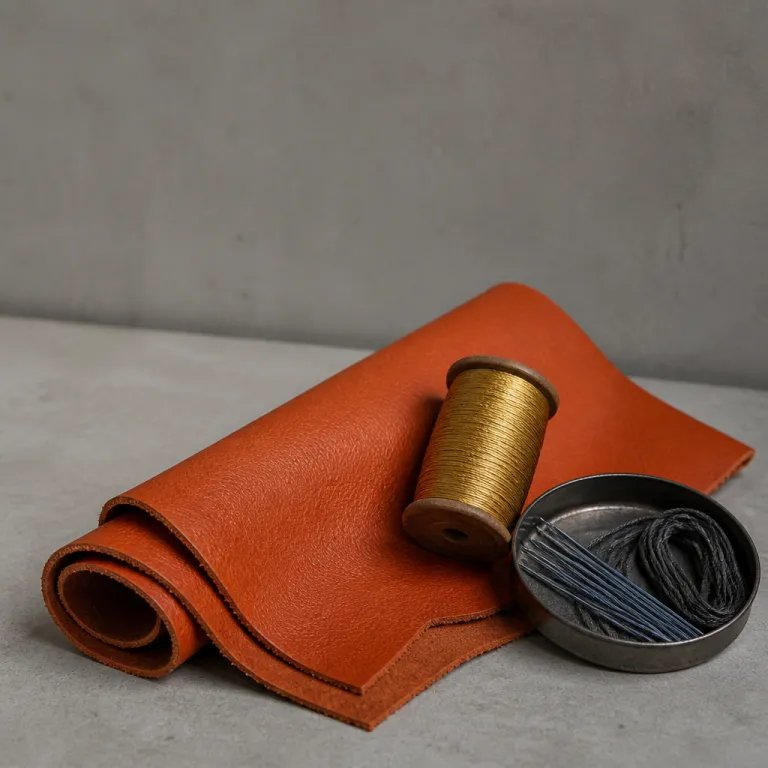
Walk a few metres from a fetla workshop and the scent shifts from silk and starch to tanned hide, because gold thread embroidery in Tlemcen does not exist in isolation. Leatherworkers in the same city lanes cut and stitch boots, saddles and satchels whose motifs echo the curves of gold thread on wedding garments, and this repetition of pattern across materials is what gives the district its visual coherence. The trade in hides, dyes and metal fittings forms a practical structure around the more fragile embroidery studios, supporting them with steady everyday work.
In the background, copper and wood workshops provide yet another layer of artisanal activity that keeps the quarter alive. You hear the ring of hammer on copper before you see the glowing bowls and trays, and nearby carpenters carve geometric panels and painted doors that often end up framing the very rooms where embroidery and leatherwork are produced, so the architecture itself becomes part of the crafts ecosystem. For travelers who care about sustainable luxury, this dense web of interdependent crafts and local artisans offers a more grounded form of indulgence than any isolated gallery.
Planning a trip that weaves these experiences together is easier when you start with a clear, high level itinerary. A practical resource such as a dedicated guide on how to plan a luxury trip to Algeria can help you balance time between Tlemcen’s medina, coastal cities and perhaps a Sahara extension, without reducing the crafts to a rushed stop between monuments. Once you understand how embroidery, leather, painting and metalwork all support one another here, you will be better placed to choose where your spending and your attention can do the most good.
How to visit the artisan quarter respectfully and buy well
Respect in Tlemcen’s artisan quarter begins with pace, because intricate gold thread embroidery cannot be appreciated at a glance. Step into a workshop slowly, greet the artisans, and take a moment to observe how each person is positioned within the structure of the room, from the master embroiderer at the window to the apprentice learning basic stitches in the corner. This small act signals that you see the space as a place of work and art, not just a backdrop for photographs.
When it comes to purchasing, fair pricing is less about haggling theatrics and more about understanding labour. A complex fetla panel can represent weeks of concentrated embroidery by skilled artisans, often women whose income supports extended families, and a price that feels high in global terms may still translate into modest earnings once materials and workshop costs are deducted. Asking politely about the number of hours involved in a piece, and then adjusting your offer to reflect that work, is a simple way of supporting local artisans while still engaging in the expected trade ritual.
Photography and social media sharing require similar sensitivity. Always ask before taking close up images of people at work, especially in smaller family run spaces where privacy matters, and offer to tag the workshop’s preferred account if they are building a digital presence that supports their crafts. Travelers who are already considering a desert extension from Tlemcen can fold these ethics into a wider itinerary by pairing the medina with carefully vetted luxury desert camps, using specialist advice on what luxury desert camps actually offer to ensure that both city and Sahara stays align with the same respectful values.
Where to stay in Tlemcen for immersive access to artisans
Choosing the right hotel in Tlemcen is not just a logistical decision; it shapes how you experience local embroidery traditions and the wider medina. Properties in or near the historic city centre place you within walking distance of the artisan quarter, so you can slip into workshops in the soft morning light or return after dinner for one last conversation with a leatherworker finishing a saddle. Hotels further out may offer larger rooms and spa facilities, but they require more structured transfers and inevitably create distance from the everyday rhythm of crafts.
For couples, the sweet spot often lies in smaller, well run addresses that understand both international expectations and local realities. Look for a clear architectural structure that respects traditional forms while offering contemporary comfort, and ask in advance whether the concierge has established relationships with embroidery, leather and copper workshops rather than only with generic souvenir outlets, because this will determine the quality of your encounters. Some properties also organise private learning sessions where artisans demonstrate techniques in a quiet salon, which can be ideal if you want to examine the work closely without crowding a busy workshop.
Whatever your choice, prioritise hotels that see themselves as supporting local artisans rather than simply capitalising on their presence. Many of the most committed teams highlight partnerships with cooperatives and cultural organisations in their pre arrival information, and they will often encourage guests to buy directly from workshops so that the crafts remain rooted in the medina. As one local association explains, “What is the significance of gold thread in Tlemcen crafts? Symbolizes wealth and tradition in Tlemcen's cultural heritage.” and “How can visitors support Tlemcen artisans? By purchasing crafts directly from local artisans and workshops.”; that clarity of purpose is the best compass you can use when choosing where to sleep.
FAQ
What makes Tlemcen fetla embroidery different from other Algerian embroidery styles ?
Tlemcen fetla embroidery is defined by its use of twisted gold or silver thread to create raised patterns on velvet and fine fabrics. The technique is highly concentrated in this single city, where artisans specialise in ceremonial garments and bridal pieces rather than everyday clothing. This focus on dense metallic thread work gives the textiles a sculptural quality that sets them apart from flatter regional styles.
Can visitors watch artisans at work in the Tlemcen medina ?
Visitors can usually observe artisans at work in several workshops inside the old medina, especially in streets known for leather, copper and textile crafts. It is courteous to enter slowly, greet the artisans and ask permission before taking photographs or standing too close to the embroidery frames. Hiring a local guide who knows the quarter helps ensure that your visit supports local artisans and respects workshop routines.
How can I be sure I am paying a fair price for fetla embroidery ?
Fair pricing starts with understanding the number of hours and the level of skill involved in a piece, because complex fetla embroidery can take weeks of concentrated work. Asking the artisan or workshop owner about the process, materials and time invested gives you a realistic baseline before you negotiate. Paying a little more than the lowest possible price is often the difference between supporting sustainable crafts and encouraging a race to the bottom.
Are there opportunities to learn basic embroidery or leatherwork techniques during a short stay ?
Some cooperatives and cultural centres in Tlemcen organise short introductory sessions where visitors can try simple embroidery stitches or observe leather tooling under guidance. These experiences are usually arranged through hotels or local guides, and they focus on respectful learning rather than fast production of souvenirs. Even a brief session can deepen your appreciation for the precision and patience behind each finished piece.
How does buying crafts in Tlemcen contribute to the local economy ?
Purchasing directly from workshops keeps a larger share of the income in the hands of artisans and their families, which in turn supports apprenticeships, material suppliers and related trades in the medina. This spending helps maintain a dense network of small businesses that give the quarter its character and resilience. Over time, consistent demand for high quality work encourages younger generations to remain in the craft rather than leaving the city for other forms of employment.