Kabyle silver in Algerian luxury stays: more than a market find
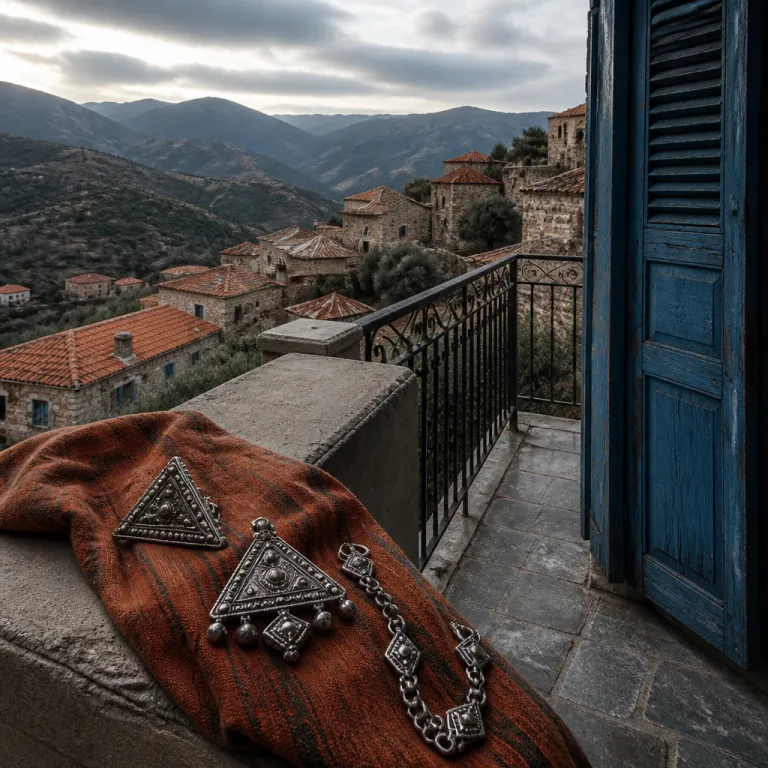
Walk into a polished hotel lobby in Kabylie and you may first notice the cool gleam of silver on a console table. The best luxury properties in Algeria now curate Kabyle silver and Amazigh jewellery as carefully as they choose their linens, turning traditional objects into a living design language that speaks to curious guests. For a solo traveler used to global sameness, this jewelry can quietly signal that you have arrived in a very specific North African cultural universe.
In Kabyle and wider Amazigh culture, silver rather than gold has long been the prestige metal, and that choice is a deliberate statement of identity rather than a question of regular price or fashion. When you see a fibula brooch, a heavy bracelet or a layered necklace framed in a hotel display window, you are looking at coded symbols of protection, fertility and belonging that many Algerian Kabyle women still wear in daily life. Local observers note that traditional adornment remains widespread among women in Kabylie, which means these pieces are not museum relics but part of a living wardrobe.
For travelers booking premium rooms in Algiers, Tizi Ouzou or Béjaïa, understanding Kabyle jewelry turns a casual glance at a lobby vitrine into a deeper encounter with Amazigh history. A curated corner of silver ornaments in a hotel lounge can function like an open window into village life, especially when staff are trained to explain motifs and materials. This is where a luxury hotel booking website in Algeria can add real value, highlighting which properties offer guided introductions to Kabyle silver, Berber jewellery and broader Amazigh jewelry traditions rather than just listing amenities.
The symbolic vocabulary: fibulae, coral and enamel in Kabyle design
Spend a morning in Ath Yenni, the hill village above Tizi Ouzou, and you quickly see why it anchors any serious guide to Kabyle silver and Berber jewelry in Algeria. Small family workshops line the steep lanes, each one a compact unit where Kabyle artisans handcraft fibulae, bracelets and necklaces using traditional tools and silver enamel techniques. Many of these silversmiths welcome visitors, so a simple knock often opens a door rather than an impersonal shop window.
The classic Kabyle fibula, often sold as a single unit or in matching pairs, is more than a decorative pin for cloth. Triangular shapes can reference femininity and fertility, while protective motifs guard the wearer, and the regular geometry of dots and lines encodes Amazigh identity in a way that predates written scripts. As local craftspeople often explain when asked what materials are used in Kabyle silver jewelry, the essentials are straightforward: silver, coral and enamel, combined in endlessly varied patterns.
Look closely at the red coral inlays and you will notice how silver–coral combinations are used to ward off misfortune, especially when set against vivid silver enamel in blues and greens. These color choices are not random design pin interests but part of a symbolic system shared across North African and even some Moroccan Berber communities, though the Ath Yenni style remains distinctly Algerian. If you are already intrigued by vernacular design, you may appreciate how this coded vocabulary echoes the architectural symbolism explored in Ghardaïa’s Mzab Valley, a region examined in depth in this guide to why Ghardaïa’s architecture fascinates design lovers.
From village workshop to hotel lobby: how to visit and what to expect
Reaching Kabylie from Algiers is straightforward, with well maintained roads leading east towards Tizi Ouzou and into the mountains. Many luxury and premium hotels in Algeria now offer curated day trips where a private driver handles the logistics, and a local guide introduces you to Kabyle artisans in Ath Yenni or nearby villages at a relaxed pace. This is where the experience moves beyond a regular sale and becomes a conversation about heritage, technique and the realities of contemporary Amazigh life.
Inside the workshops, you will see handcrafting, enameling and engraving carried out with traditional tools, often by several generations of the same family working side by side. The atmosphere is informal but focused, with finished jewellery laid out by type and sometimes by unit price, from slender silver Kabyle rings to weighty bracelets and elaborate necklaces that can take weeks to complete. Many artisans speak some French, and hotel concierges can arrange translation into English, which makes it easier to ask about symbolism, compare price for vintage pieces and understand the difference between a regular price and a negotiated price sale for multiple items.
Some high end Algerian properties now invite these same artisans into their spaces for trunk shows, where a temporary display opens a window like a gallery inside the hotel. Guests can browse Kabyle jewelry and other Amazigh jewelry in comfort, compare silver jewelry styles from different North African regions and even arrange international delivery to the United States or Europe. At La Tour d’El Bey in Algiers, for instance, staff describe how a recent trunk show by Ath Yenni silversmiths led several guests to commission custom bracelets and have them shipped by insured courier to Paris and New York. For design focused travelers, this integration of workshop culture into hospitality mirrors the approach seen in curated decor guides such as the article on opulent decor inspirations for luxury hotels in Algeria, where local craft is treated as a central narrative rather than a decorative afterthought.
Value, pricing and authenticity: what drives the cost of Kabyle pieces
Understanding how price works in Kabyle silver jewellery in Algeria helps you shop with confidence and respect. Three main factors shape the typical cost of a piece: the weight of silver, the complexity of the silver enamel and engraving, and the provenance or age, especially for vintage items. A heavy bracelet with dense red coral inlay and fine enameling will naturally command a higher unit price than a simple, lightly worked pendant.
When you browse jewellery in hotel showcases or village shops, you may see different labels such as regular price, sale price or price sale for older stock, but bargaining remains part of the culture. Think of it less as haggling over a discount and more as a respectful dialogue that acknowledges the labour behind each unit of work, from sourcing silver to setting silver coral and polishing the final surface. In Ath Yenni, for example, a pair of small handcrafted earrings might start around the equivalent of €25–€40, while a large, enamelled bridal necklace can reach several hundred euros depending on age and detail. For genuinely old pieces, the price vintage can be significantly higher, especially if the item carries clear signs of age and comes from a known Algerian Kabyle family or region.
Authentication matters because mass produced copies, sometimes inspired by Moroccan Berber or generic North African motifs, circulate widely in tourist markets. Genuine Kabyle jewelry will show small irregularities that reflect handwork rather than machine perfection, and artisans are usually transparent about whether a piece is new, restored or entirely vintage. Luxury hotels that take cultural curation seriously often work directly with named workshops, such as long established families in Ath Yenni or silversmiths recommended by guides like Amar Aït Ali in Tizi Ouzou, which gives travelers an extra layer of trust and makes international delivery to the United States or elsewhere more straightforward and traceable.
How Algerian luxury hotels weave Kabyle silver into their design stories
Across Algeria’s higher end properties, a quiet shift is underway as hoteliers move from generic international decor towards narratives rooted in Amazigh heritage. In Algiers, Oran and Constantine, you now find lobby tables styled with curated sets of Kabyle silver jewellery, where a fibula, a bracelet and a necklace are displayed like small sculptures rather than retail stock. This approach turns jewellery into a storytelling device that links urban guests back to Kabylie’s mountain villages.
Some hotels commission custom pieces from Kabyle artisans to echo architectural lines or color palettes, using silver Kabyle elements and silver enamel tones that resonate with local stone or sea views. A coastal property might choose blue and green enamel with red coral accents to mirror the bay, while a desert lodge could favour warmer hues that recall Saharan light, creating a subtle dialogue between Amazigh jewellery motifs and the surrounding landscape. In suites, framed photographs of Ath Yenni workshops or close ups of Berber jewellery details can act as a visual pin interests board, inviting guests to seek out the originals during their stay.
For the solo explorer, this integration of Kabyle jewelry into interior design offers a practical benefit as well. You can study motifs at leisure before heading to markets, compare how different units of design repeat across pieces and refine your sense of what feels authentically Algerian versus generically North African. When a hotel concierge then arranges a visit to a recommended workshop, you arrive not as a blank slate but as a guest already attuned to the language of silver, ready to choose pieces whose price and symbolism align with your own travel story.
Silver versus gold: identity, protection and how to wear Kabyle pieces
In many parts of the world, gold signals wealth, yet in Kabylie and wider Amazigh communities, silver carries the deeper cultural charge. Choosing silver jewelry over gold is historically tied to ideas of protection, modesty and a closer relationship with the land, which is why Kabyle silver and Berber jewelry in Algeria remain central to rites of passage and festive dress. When you see an Algerian bride layered in silver Kabyle necklaces and bracelets, you are witnessing a statement of identity rather than a simple display of metal value.
Traditional sets often combine several jewellery types at once: a large central necklace, multiple bracelet stacks, fibulae securing woven cloth and sometimes headpieces, all enriched with silver coral and red coral details. The repetition of motifs across these units creates a protective visual field around the body, echoing patterns found in North African textiles and even in some Moroccan Berber designs, though the Kabyle style stays distinct in its enameling and geometry. For modern travelers, wearing a single piece, perhaps a bracelet or pendant, can be a respectful way to engage with this heritage without replicating full ceremonial dress.
When you buy Kabyle jewelry to wear back in the United States or elsewhere, think about context and care as much as price. Silver enamel surfaces and coral inlays benefit from gentle cleaning and protection from harsh chemicals, so ask artisans or hotel staff for maintenance advice before arranging delivery. Worn thoughtfully, these pieces become more than souvenirs; they act as portable windows that open onto your time in Algeria, carrying with them the stories of Kabyle women, the skill of Kabyle artisans and the enduring strength of Amazigh jewellery traditions.
FAQ
Where can I purchase authentic Kabyle silver jewellery in Algeria ?
The most reliable places to buy authentic Kabyle jewellery are village workshops in Kabylie, especially around Ath Yenni in Tizi Ouzou province. Many luxury hotels can arrange guided visits to specific artisans who handcraft pieces on site, allowing you to see the process before you discuss price. Reputable shops in Algiers and Béjaïa that work directly with these workshops also offer certified items and can organize secure delivery if you are traveling onward.
What do the main symbols in Kabyle silver pieces represent ?
Common motifs in Kabyle silver and Berber jewelry in Algeria include triangles, circles and stylized hands, each with a protective or life affirming meaning. Triangles often relate to femininity and fertility, while repeated dots and lines can signal continuity, community and Amazigh identity. Coral inlays and specific silver enamel colors are also chosen for their protective qualities, turning each bracelet or necklace into a kind of wearable talisman.
How can I tell if a Kabyle piece is handcrafted rather than mass produced ?
Handcrafted Kabyle jewellery usually shows small irregularities in engraving, enamel and coral setting, which indicate human work rather than machine stamping. Artisans are typically open about their methods and may demonstrate how they cut, solder and polish silver, so do not hesitate to ask questions about technique and time invested. Mass produced items often feel lighter for their size, have overly uniform patterns and may mix generic North African or Moroccan Berber motifs without the precise Kabyle geometry.
What should I expect to pay for Kabyle silver jewellery ?
Prices vary widely depending on weight, complexity and whether a piece is new or vintage, but even small handcrafted items reflect many hours of skilled labour. Simple earrings or a slim bracelet may sit at an accessible regular price, while large necklaces with dense silver enamel and red coral inlays can reach significantly higher levels, especially if they are older. It is normal to discuss price respectfully with the artisan, keeping in mind that each unit of work supports both cultural preservation and a family livelihood.
Is it respectful to wear Kabyle and Amazigh jewellery outside Algeria ?
Wearing Kabyle jewelry or other forms of Amazigh jewellery abroad is generally welcomed when done with understanding and respect for its cultural meaning. Take time to learn the symbolism of your chosen piece, buy directly from Algerian Kabyle artisans when possible and avoid treating sacred or ceremonial designs as casual costume. When you share the story of your jewellery with others, you help extend the visibility of Amazigh culture beyond North African borders in a thoughtful way.