Tracing Amazigh roots across Algeria and North Africa
Amazigh Algeria is not a single region but a vast living map of identities stretching across mountains, plateaus and desert. From the Kabyle villages above Tizi Ouzou to the Mzab Valley and the Tuareg camps near Djanet, you move through layers of Amazigh culture that long predate the borders of modern north African states. For solo travelers planning amazigh berber culture algeria travel, understanding this depth of history changes how every hotel stay, every transfer and every guided walk feels.
The term Amazigh, often translated as “free people”, refers to the Indigenous berber people of north Africa whose presence runs from morocco to algeria and into Tunisia, algeria libya and parts of the Sahel. These berbers are not a monolith ; they form diverse amazigh communities with distinct customs, berber languages and local histories, yet they share threads of amazigh identity that you will sense in music, jewellery and food. When you book a premium riad style guesthouse in the Aurès mountains or a luxury desert lodge in the Tassili, you are stepping into spaces where berber culture and Arabic influences meet, sometimes alongside traces of moroccan arabic and even French.
Algeria sits at the heart of north africa, and its amazigh culture connects naturally with culture morocco and with the high atlas and atlas mountains further west. Many travelers know morocco or southern morocco as an entry point to berber amazigh heritage, yet amazigh culture in algeria feels less staged and more quietly confident. For guests used to moroccan amazigh hospitality, the Algerian experience is more understated, but the same berber language roots, shared north african rhythms and related berber languages create a familiar echo that makes cross border journeys between morocco algeria particularly rich.
Reading the visual language in textiles, jewellery and architecture
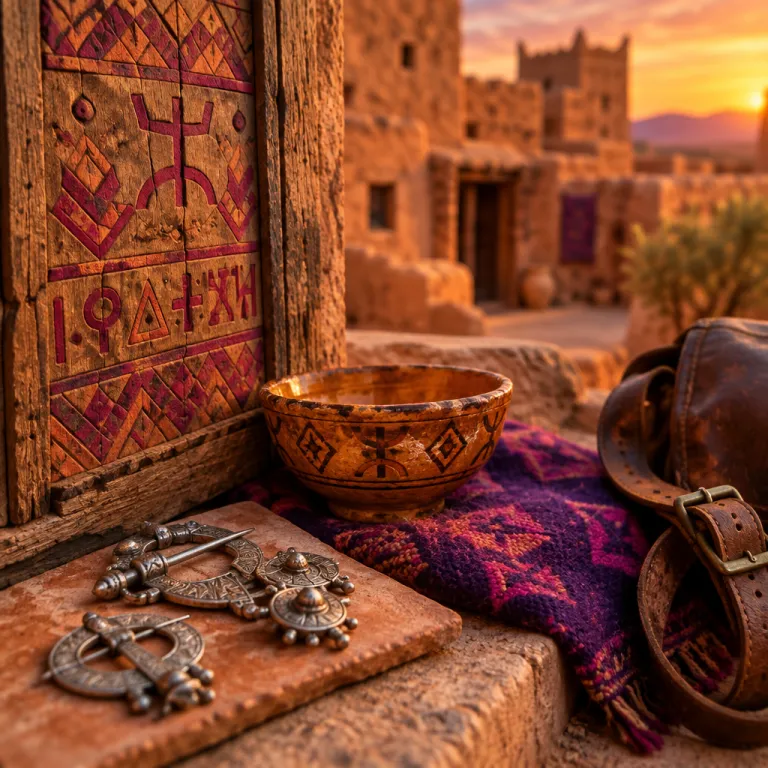
Once you arrive, amazigh berber culture algeria travel becomes a practice of learning to read symbols that appear everywhere from hotel lobbies to roadside cafés. Geometric motifs on carpets, carved doors and silver pendants form a visual language that speaks about protection, fertility and connection to land, even when individual meanings vary between regions. As a guest in a luxury kasbah style property in the central highlands or a solar powered desert lodge, you will see how designers weave this berber amazigh aesthetic into contemporary spaces without freezing it in the past.
In Kabylia and the Aurès mountains, ceramics often carry bold triangles, chevrons and diamonds that echo the peaks of the surrounding mountains and the atlas ranges further west. Many north african artisans, from algeria to morocco, repeat similar patterns, yet each village and each family workshop gives them a distinct identity that reflects local stories and languages berber. When you choose eco conscious accommodation, such as properties featured in guides to solar powered lodges and desert reforestation in Algeria, you often support projects where amazigh communities lead the design and keep control of their cultural narrative.
Jewellery is another key to understanding berber culture, especially in regions that share history with morocco algeria caravan routes and with Tuareg groups who move between algeria libya and the wider Sahara. Heavy silver fibulae, coral inlays and enamel work appear in both moroccan and Algerian collections, yet the way people wear them in daily life differs from the curated displays you may know from culture morocco. In high end Algerian hotels that collaborate with local cooperatives, you can often arrange private visits to workshops where artisans explain how amazigh identity, berber language expressions and north african trade routes shape each piece.
Tifinagh, Tamazight and the sound of Amazigh languages
Language is where amazigh berber culture algeria travel becomes truly intimate, because you start to hear how identity is carried in everyday speech. Tamazight is the umbrella term for several berber languages spoken across algeria, morocco and other parts of north africa, and you will encounter different variants in Kabyle, Chaoui, Mzab and Tuareg areas. In many Algerian cities, hotel staff switch effortlessly between Arabic, French and a local berber language, while moroccan arabic or moroccan amazigh phrases may surface in conversations about cross border family ties.
On road signs in Kabylia and in some central wilayas, you will notice Tifinagh script alongside Arabic and Latin letters, a visual reminder that amazigh identity is officially recognized yet still evolving. These Tifinagh characters sometimes appear in hotel branding, spa menus or room names, especially in properties that position themselves as gateways to berber culture without reducing it to décor. When you stay in smaller characterful properties, such as those highlighted in curated guides to intimate hotels in Algeria, ask your host for a short guide to basic greetings in local berber languages ; even a few words show respect and open doors.
Across north african regions, from the high atlas in morocco to the Aurès mountains in algeria, the sound of tamazight shifts yet remains recognizably part of the same family of languages berber. Some travelers arrive expecting a single berber amazigh tongue, but in reality you will hear a mosaic of accents and vocabularies shaped by geography, trade and history with neighbors from morocco algeria to algeria libya and even communities further south in countries such as burkina faso. Listening carefully in hotel lounges, markets and on guided hikes turns your journey into an informal language course that deepens your sense of place.
Yennayer, everyday pride and how hotels frame Amazigh life
Yennayer, the Amazigh new year, is one of the most vivid moments when amazigh berber culture algeria travel intersects with the hotel world. Around this celebration, many premium properties in Algiers, Oran and Constantine curate special menus, music evenings and craft markets that highlight berber culture without turning it into a theme night. You might see staff wearing embroidered garments inspired by atlas mountains villages, or taste dishes that echo recipes from southern morocco and morocco algeria caravan kitchens, reinterpreted with a contemporary north african touch.
Outside major festivals, amazigh culture appears in quieter ways that you will notice if you slow down in each place. A Tifinagh letter carved into a wooden headboard, a playlist of chaabi and Kabyle songs in the bar, or a concierge who recommends a local guide from nearby amazigh communities rather than a generic city tour all signal genuine engagement. In many central and mountain regions, hotel owners themselves are berber people who see their properties as bridges between guests and the surrounding culture, not as isolated luxury bubbles.
Everyday pride in amazigh identity also shapes how people talk about food, land and family, whether you are sharing mint tea in a Sahara camp or breakfast in a coastal guesthouse. Conversations often weave between Arabic, French and a berber language, with occasional references to moroccan arabic or moroccan amazigh cousins across the border, underlining how north africa functions as a cultural continuum rather than separate boxes. Choosing hotels that employ local staff in visible roles and that partner with artisans from nearby villages ensures your spending supports the living fabric of berber amazigh life rather than only its most photogenic surfaces.
Engaging respectfully and choosing hotels that unlock real encounters
Respectful amazigh berber culture algeria travel starts with curiosity and restraint, especially when you move through sacred spaces or private homes. Ask before photographing people, jewellery or interiors, and remember that some symbols in berber culture carry personal or spiritual weight that is not always shared with outsiders. When in doubt, let your local guide or hotel host act as a cultural bridge and explain which gestures are welcome and which feel intrusive.
For solo travelers, the right property can quietly orchestrate meaningful contact with amazigh communities without staging them as performances. Look for hotels that collaborate with certified local guides, support cooperatives producing textiles or ceramics, and offer transparent information about how revenue flows back to berber people in surrounding villages. When researching options on myalgeriastay.com, pay attention to detailed reviews that describe specific experiences, such as a guided walk through a Kabyle village or a day trip that pairs Roman ruins with nearby amazigh heritage sites, supported by practical resources like the in depth guide to Algeria’s Roman cities.
Ethical engagement also means recognizing that amazigh identity is part of a broader north african and african context that stretches beyond morocco algeria and algeria libya borders. Some families have relatives working in Europe or in countries such as burkina faso, and their stories complicate any simple picture of tradition versus modernity in berber amazigh life. By choosing luxury and premium stays that foreground local voices, respect the diversity of berber languages and avoid reducing amazigh culture to a single aesthetic, you help ensure that the symbols you read on walls, fabrics and skin remain part of a living, self defined narrative.
FAQ
Is it safe for a solo traveler to explore Amazigh regions in Algeria ?
Most Amazigh regions that are open to tourism, such as Kabylia, parts of the Aurès and the Mzab Valley, are generally safe for solo travelers who follow standard precautions. Booking reputable hotels, arranging transfers through your property and using licensed local guides significantly reduces risk. Always check current travel advisories from your government and confirm local conditions with your hotel before planning remote hikes or desert routes.
Where should I stay to experience Amazigh culture without long transfers ?
If you prefer shorter journeys, base yourself in Algiers and add two or three nights in nearby Kabylia, where mountain villages are within a few hours’ drive. Premium guesthouses around Tizi Ouzou or Béjaïa offer access to Amazigh communities while maintaining high comfort levels. For a deeper immersion, combine this with a stay in a Mzab Valley lodge or a Sahara camp that works closely with local families.
How can I support Amazigh artisans when booking luxury hotels ?
Choose properties that clearly identify the cooperatives or individual artisans behind their textiles, ceramics and jewellery, and that offer fair prices for on site purchases. Ask your concierge for introductions to workshops rather than buying only from generic souvenir shops. When possible, pay artisans directly and consider commissioning pieces that reflect their own style instead of requesting copies of moroccan or international designs.
Do I need to speak Tamazight to travel in Amazigh areas of Algeria ?
You do not need Tamazight to travel comfortably, as most hotel staff and many guides speak Arabic and French, and some speak English. Learning a few basic greetings in a local berber language is appreciated and often sparks warmer interactions. Your hotel can usually provide simple phrases or arrange a short language introduction with a local guide.
How is Amazigh culture in Algeria different from what I might know from Morocco ?
Algerian Amazigh culture shares roots with moroccan traditions, including related berber languages and similar visual motifs, yet it tends to be less commercialized and more integrated into everyday life. You will notice fewer staged performances and more subtle expressions, such as Tifinagh signage, family run cooperatives and community led festivals. Traveling through both countries reveals a continuous north african Amazigh world, with each region expressing its identity in distinct ways.