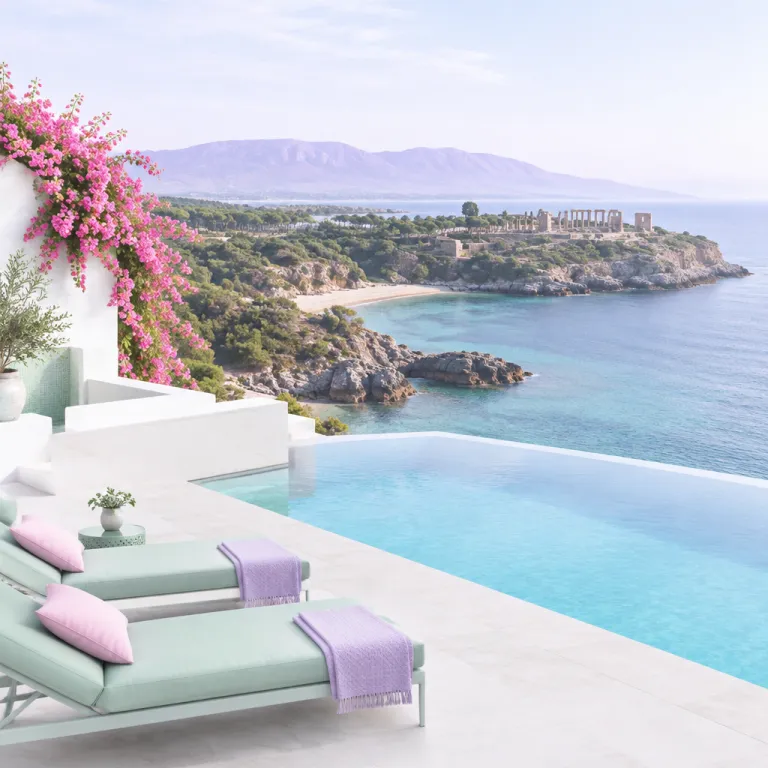
Algeria tourism for luxury travelers seeking authentic hidden gems
Algeria tourism is quietly evolving into a refined choice for travelers. The country offers a rare blend of Mediterranean coastline, Saharan desert, and mountain range landscapes that suit premium itineraries, while remaining less crowded than many destinations in North Africa. For guests booking high end stays, this balance between comfort and authenticity defines the new face of Algerian tourism.
In the capital city of Algiers, luxury hotels overlook the bay and the historic casbah of Algiers, creating a striking contrast between modern glass towers and whitewashed Ottoman houses. Many five star properties sit within easy reach of the casbah Algiers quarter, the national museum of Antiquities, and the elegant French era boulevards that frame the waterfront. This proximity allows travelers to move seamlessly from rooftop pools to UNESCO heritage listed streets, deepening the cultural value of their stay.
Algeria is the largest country in Africa, and its size shapes how premium travelers should plan routes. Distances between key heritage sites such as Timgad, Tassili n’Ajjer, and Beni Abbès are considerable, so curated itineraries and private transfers become essential. When you use a specialized luxury hotel reservation service focused on tourism Algeria, you gain access to vetted partners who understand both the terrain and the expectations of discerning guests, including advice on visas, domestic flights, and seasonal conditions.
From Algiers to the Sahara desert: where luxury meets heritage
Algiers is the natural gateway for most Algeria tourism journeys, and it rewards travelers who linger. The city combines Ottoman palaces, French colonial façades, and contemporary business districts, giving premium hotels a rich urban backdrop. Many properties frame views of the Mediterranean Sea to the north and the hills that shelter the casbah Algiers to the south, creating a sense of place that feels unmistakably Algerian.
High end travelers often pair a stay in Algiers with excursions to nearby heritage sites and coastal towns. Day trips can include the basilica of Notre Dame d’Afrique, sometimes affectionately called Dame Afrique, which stands above the bay and faces the wider Mediterranean, as well as the national museum of Fine Arts and the Roman town of Tipasa along the shore. These experiences allow guests to connect Algeria tourism with the broader history of North Africa, from Phoenician traders to French administrators and modern Algerian life.
Far from the capital, the Sahara desert offers a different expression of Algerian tourism, where comfort must coexist with remoteness. Eco conscious travelers increasingly look for solar powered lodges and responsible camps in the Tassili n’Ajjer area and around the zab valley, and many of these are now bookable through specialized platforms that focus on sustainable luxury. For an in depth look at how high end properties are integrating clean energy and reforestation into tourism Algeria, consult recent reports on desert conservation and national park management in the Algerian Sahara, and always verify that your chosen operator follows current national park regulations published by Algerian authorities.
Hidden gems in the highlands and mountain range retreats
Beyond the capital and the desert, Algeria tourism shines in its highland towns and mountain range hideaways. The Kabylie region around Tizi Ouzou offers cool air, chestnut forests, and traditional villages that appeal to travelers seeking quiet luxury. Here, small premium guesthouses and upscale lodges provide an intimate base for exploring Berber culture while enjoying refined Algerian cuisine and attentive service.
In these upland areas, the contrast with the Sahara desert is striking, and that diversity is central to the appeal of Algerian tourism. Guests can spend mornings hiking terraced hillsides above Tizi Ouzou, then return to properties that feature hammams, panoramic terraces, and curated menus based on local produce. Many travelers pair these stays with visits to coastal cities, creating itineraries that move from mountain range retreats to Mediterranean beaches within a single trip across the country.
Timing matters when planning such multi region journeys, especially for travelers using a luxury travel planning and hotel booking website to coordinate complex routes. Shoulder seasons often provide the best balance of pleasant temperatures in the north and manageable heat in the desert, which is why many specialists recommend planning an autumn escape focused on Algeria tourism. For detailed seasonal advice tailored to high end stays, review current airline schedules, climate data, and guidance from the Algerian Ministry of Tourism, and cross check them with the latest recommendations from experienced tour operators.
UNESCO heritage, Roman town ruins, and sacred architecture
One of the strongest arguments for Algeria tourism at the luxury level is the density of world class heritage sites. The Roman town of Timgad in the Aurès mountains, founded under Emperor Trajan, is among the most impressive archaeological complexes in North Africa. Its grid plan, triumphal arch, and theatre illustrate how carefully the city was built, and private guided tours can be arranged through premium hotel concierges or specialized booking platforms.
Algiers itself holds UNESCO heritage status through the casbah Algiers, a dense urban fabric of alleys, palaces, and Ottoman era houses that cascade down towards the port. Many of these structures date from the seventeenth and eighteenth century, and several mosques were built during the same period, showcasing refined Islamic architecture. Luxury travelers often combine a stay in a seafront hotel with curated walks through this quarter, gaining insight into how the city evolved from a corsair stronghold to the capital of a modern democratic republic.
Elsewhere in the country, sacred architecture adds depth to Algerian tourism itineraries that focus on culture. The basilica of Saint Augustine in Annaba, dedicated to the influential theologian who lived in the region, stands as a reminder of early Christian history in North Africa, while Notre Dame d’Afrique in Algiers symbolizes spiritual ties across the Mediterranean. Many high end travelers appreciate how these sites, along with major mosque complexes and national museum collections, can be woven into bespoke routes that also include Roman town ruins, desert ksour, and coastal fortresses, especially when combined with knowledgeable local guides.
Sahara oases, zab valley landscapes, and refined desert stays
The Sahara desert covers a vast area of southern Algeria, and it offers some of the most memorable experiences in the country. From the dunes of the Grand Erg Occidental to the rocky plateaus of Tassili n’Ajjer, the landscapes feel almost otherworldly, yet they are increasingly accessible through carefully managed Algerian tourism operations. Luxury camps and lodges now provide high comfort standards while respecting fragile ecosystems and local communities.
In the zab valley and around Beni Abbès, palm groves and ksour villages create green corridors that contrast sharply with surrounding sands. Many premium itineraries include nights in restored traditional houses or desert lodges that blend local materials with modern amenities, allowing guests to enjoy silence, star filled skies, and refined Algerian cuisine. For travelers interested in how these oases support both agriculture and hospitality, look for recent features on oasis kitchens and Saharan gastronomy in regional tourism publications, which explain how local producers, chefs, and hosts collaborate.
Tassili n’Ajjer, a vast national park and UNESCO heritage site, is another highlight for high end explorers who value both comfort and culture. The area is renowned for its prehistoric rock art, which documents thousands of years of human presence in what is now desert, and visits are usually organized with licensed guides and well equipped camps. When booking through a specialized luxury and premium hotel platform focused on tourism Algeria, you can ensure that your stay in this national park respects conservation rules while still providing the level of service expected in the upper segment of the market, from private transfers to tailored excursions.
How to use premium booking platforms for Algeria tourism
Choosing the right luxury and premium hotel booking website is crucial for a successful Algeria tourism experience. The best platforms curate properties across the country, from seafront hotels in Algiers to desert lodges near Tassili n’Ajjer and heritage guesthouses in Beni Abbès, ensuring consistent quality standards. They also provide clear information about access, safety, and cultural etiquette, which is particularly valuable for first time visitors to this part of North Africa.
When evaluating options, look for platforms that align with guidelines from the Ministry of Tourism and that highlight certified partners in key regions. A strong focus on heritage sites, national park regulations, and collaboration with local guides indicates a serious commitment to responsible Algerian tourism rather than simple volume driven tourism. It is also helpful when a booking website explains how it works with national museum networks, city authorities in Algiers, and regional tourism boards in areas such as Tizi Ouzou or the zab valley.
Travelers should also consider how a platform supports cultural events and festival calendars, since these can shape availability and pricing in major city hubs. For example, a music festival in Algiers or a regional celebration in a Roman town can quickly fill premium rooms, making early reservations essential. By using a specialized service that understands both the rhythms of tourism Algeria and the expectations of high end guests, you can secure the right balance between flexibility, comfort, and immersion across this diverse country, while still keeping room for spontaneous discoveries.
Key figures shaping luxury and premium travel in Algeria
- According to the World Tourism Organization, Algeria welcomed around 2.3 million international tourist arrivals in a recent pre pandemic year; travelers should consult the latest UNWTO Tourism Highlights or country profiles to confirm current figures and trends for high value segments.
- UNESCO currently lists seven World Heritage Sites in Algeria, including the casbah of Algiers, Timgad, Tassili n’Ajjer, Djémila, Tipasa, the M’Zab Valley, and the Qal’a of Beni Hammad, giving luxury travelers a dense network of heritage sites to integrate into curated itineraries.
- The Sahara desert covers roughly 80 percent of Algeria’s territory, yet most of the population lives in the northern 20 percent of the country, which explains why premium desert tourism relies on carefully planned logistics and specialized operators.
- Algiers sits on the Mediterranean coast at an elevation of around 150 metres in its upper districts, while Saharan towns such as Beni Abbès lie at lower altitudes, so travelers often experience temperature differences of more than 15 degrees Celsius between north and south on the same trip.
- Tassili n’Ajjer National Park spans approximately 72 000 square kilometres, making it larger than many European countries and underlining why multi day guided expeditions are the preferred way for high end visitors to experience this UNESCO heritage landscape.
FAQ about luxury and premium stays for Algeria tourism
Is Algeria safe for luxury travelers booking high end hotels ?
Major urban centers such as Algiers, Oran, and Constantine, as well as established desert hubs, are generally considered safe for visitors who follow official advice and use reputable operators. High end hotels typically maintain strong security protocols and work closely with local authorities to monitor conditions. Travelers should always check current guidance from their own foreign affairs ministry and from the Algerian Ministry of Tourism before finalizing plans.
Which regions are best for combining culture and comfort in Algeria ?
Algiers is ideal for travelers who want easy access to museums, the casbah Algiers, and coastal promenades while staying in international standard hotels. The Roman town sites such as Timgad and the basilica of Saint Augustine in Annaba add depth for history enthusiasts, and many itineraries then continue to the Sahara desert for a contrasting experience. Mountain range areas around Tizi Ouzou and Kabylie provide cooler retreats with characterful lodgings and strong culinary traditions.
How many days should I plan for a premium Algeria tourism itinerary ?
A well paced luxury trip that includes Algiers, at least one Roman town site, and a short Sahara desert stay usually requires a minimum of ten to twelve days. This allows time for domestic flights or long overland transfers, as the country is large and key regions are spread across considerable distances. Travelers who wish to explore Tassili n’Ajjer or multiple national park areas in depth often extend their stay to two weeks or more.
Can I find eco friendly luxury options in the Algerian desert ?
Yes, several camps and lodges in regions such as Tassili n’Ajjer, the zab valley, and around Beni Abbès now emphasize solar power, water conservation, and partnerships with local communities. Many of these properties are featured on specialized luxury and premium hotel booking websites that focus on responsible tourism Algeria. Choosing such options helps support sustainable development while still providing high comfort levels, private guides, and tailored desert experiences.
Do I need to speak French or Arabic to enjoy high end travel in Algeria ?
French and Arabic are widely spoken in hotels, restaurants, and transport services, especially in major city centers and established tourism areas. In many luxury properties, front desk staff and concierges also speak English, and private guides for heritage sites or national park visits can usually be arranged with English language skills. Learning a few basic phrases in French or Algerian Arabic is appreciated, but it is not essential for enjoying a premium Algeria tourism itinerary.