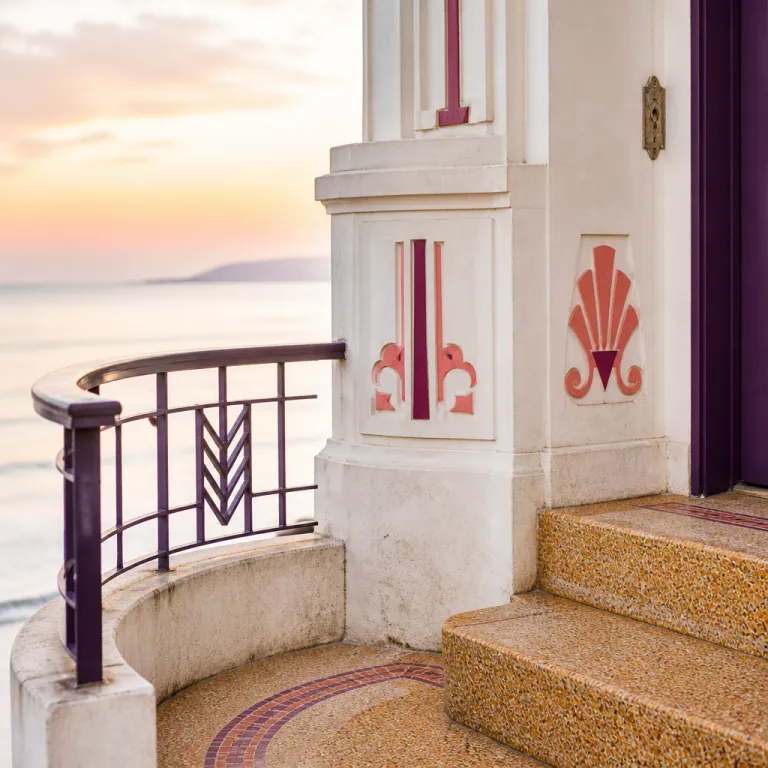
Oran’s shoreline, art deco facades and the rise of heritage hotels
Oran is one of the few Mediterranean cities where art deco architecture still frames the sea. Along the Front de Mer, the city center curves around the bay, with early twentieth century façades that turn a simple walk into an open air gallery of geometric lines and sun faded pastel tones. For travelers comparing art deco hotels in Oran, Algeria with other coastal destinations, this waterfront feels both historic and surprisingly under the radar.
The built environment here reflects a layered story of Algeria, where French colonial architecture, Moorish arches and later modern art influences coexist in a tight urban grid. Many of the grand hotels and civic buildings were built between the 1920s and 1940s, when Oran was expanding as a port city and experimenting with new architectural styles that blended European rigor with North African light. Those dates matter, because they explain why the main building volumes feel generous, why the grand staircase is a recurring motif, and why so many public areas still enjoy a clear sea view.
Today, investors and hoteliers are finally treating this architectural heritage as an asset rather than a burden. A new generation of Oran heritage hotels with art deco features is leaning into original design details instead of hiding them behind generic drywall and vinyl flooring. When you book a hotel in the city center, you can now ask specifically about preserved architectural elements, from wrought iron balconies to marble lobbies, and choose stays that respect the historic fabric while still offering air conditioning, reliable Wi Fi and polished service.
Royal Hotel Oran and the art deco inventory around Boulevard de la Soummam
Royal Hotel Oran – MGallery is the reference point for anyone serious about art deco architecture in western Algeria. The hotel occupies a 1920s era building close to Boulevard de la Soummam, where some of the city’s most photogenic façades still stand. Its original architecture has been carefully maintained, so the main building reads like a compact palace overlooking the urban theater of Oran.
Step into the lobby and you immediately notice how the architectural design favors volume and light. The grand staircase curves upwards with a theatrical sweep, while the public areas retain polished stone floors, period lighting and ornamental ironwork that quietly signal the building’s dating from the interwar years. Rooms layer contemporary comforts such as efficient air conditioning and soundproofing over historic proportions, and some categories offer a partial sea view that reminds you why this city became a magnet for travelers in Algeria.
From Royal Hotel Oran, you can walk towards the Front de Mer and then loop back through the city center to map your own gallery of art deco and other architectural styles. One popular route starts at Place du 1er Novembre 1954, continues along Boulevard de la Soummam for about fifteen to twenty minutes, then drops down to the seafront before circling back through side streets lined with former cinemas and residential blocks from the same period. For travelers who enjoy combining architecture with elevated stays, this Oran itinerary pairs well with a later hop east to Constantine for panoramic hotels above the city of bridges, creating a cross country survey of Algeria’s most dramatic urban landscapes.
Les Ambassadeurs, hidden gems and walking routes for architecture lovers
Not every interesting hotel in Oran announces itself with a grand façade on the seafront. Les Ambassadeurs Oran, for example, sits away from the Front de Mer yet channels an intimate art deco ambiance that appeals to travelers who prefer smaller scale properties. Its architecture may be more modest than a palace, but the original lines, compact grand staircase and carefully preserved design details make it a compelling stop on any Oran art deco themed itinerary.
Use the hotel as a base for a self guided architecture walk that starts in the city center and radiates outwards. Begin with the denser cluster of historic buildings near Boulevard de la Soummam, where early century constructions display a mix of French inspired geometry and local motifs in their balconies and window frames. From there, drift towards the former Sacred Heart Cathedral, now a public library, where the shift from art deco to more monumental architectural styles illustrates how Oran’s built environment evolved as Algeria’s cultural identity asserted itself.
Architecture focused travelers often plan their days around both façades and food, and Oran rewards that approach. Between hotel visits and gallery stops, you can explore the city’s culinary scene, which increasingly mirrors the creative energy seen in Algiers, where a new wave of restaurants is rethinking traditional dishes and food drinks pairings. Back at Les Ambassadeurs, public areas tend to be compact but characterful, and while you will not find a vast pool area or sprawling hotel spa, you gain proximity to tram lines and the railway station, which matters if you are combining Oran with other Algerian heritage sites on a tight schedule.
Preservation versus modernization: how Oran’s hotels handle their historic shells
Every traveler interested in Oran’s art deco hotels eventually confronts the same question. How much modernization is acceptable before a historic hotel loses its soul? In Oran, the answer varies property by property, and the tension between preservation and comfort is visible in everything from lobby materials to pool area design.
Some hotels in the city have chosen to strip back their original architecture almost entirely, keeping only the external shell while gutting the interior into a generic glass and plaster arrangement. These properties may offer a polished hotel spa, efficient air conditioning and extensive food drinks menus, yet their public areas feel disconnected from the building’s dating from a specific century and from the wider story of Algeria’s coastal development. Others, like Royal Hotel Oran – MGallery, have leaned into adaptive reuse, where historic spaces are reprogrammed but not erased, aligning with broader cultural tourism initiatives that aim to protect Oran’s architectural heritage.
For guests, the most rewarding stays usually sit between these extremes, where architectural styles are respected but not fetishized. Look for hotels that keep the main building structure, grand staircase and key design details while inserting contemporary comforts with a light touch. When you compare options on booking platforms or read about coastal escapes in Algeria, pay attention to how each area hotel describes its relationship with history, because the most honest properties will be explicit about what has been preserved, what has been rebuilt and how that affects your experience of the city.
Santa Cruz, Moorish echoes and how Oran compares to other Mediterranean cities
Art deco is only one layer of Oran’s architectural story, and you feel that most clearly when you leave the city center. Above the port, the Santa Cruz fort and its chapel command a sweeping view over the bay, reminding visitors that this hilltop has watched over Algeria’s western coast for centuries. The climb, whether by road or on foot, reveals how the city’s built forms cascade from fortified heights down to the modern port and railway station.
From Santa Cruz, the contrast between the tight grid of art deco streets and the looser sprawl of later districts becomes obvious. You see how early century planners imposed a rational, French influenced layout near the waterfront, while older quarters and newer suburbs follow different logics shaped by topography and post independence growth. This layered cityscape places Oran in conversation with other Mediterranean destinations such as Tel Aviv and Casablanca, where modern art influences and colonial era architecture also coexist, yet Oran remains less commercialized and more raw in its presentation.
Heritage specialists often point out that Oran’s inventory of art deco buildings is significant for a city of its size, and that “What is Art Deco?” and “Why is Oran known for Art Deco architecture?” are questions that keep surfacing on guided tours. Official answers tend to echo the same explanation : “A decorative art style from the 1920s-1930s.” and “Due to its colonial history and 20th-century development.” For travelers choosing historic hotels in Oran with art deco character, that context matters, because staying in a hotel that respects these layers turns a simple business trip into a deeper engagement with Algeria’s coastal heritage, especially when public areas, room layouts and even pool area landscaping subtly reference the city’s original design vocabulary.
Practical tips for choosing art deco inspired stays in Oran
When you start shortlisting art deco inspired hotels in Oran, focus on three practical filters. Location in relation to the city center and Front de Mer, the degree of preserved architecture inside the hotel, and the balance between amenities and character. A property that looks historic from the street but feels like an airport hotel inside will not satisfy travelers who care about design.
Begin by mapping hotels against the main architectural corridors, especially Boulevard de la Soummam, the seafront and the streets leading towards the former cathedral library. Properties in these zones place you within walking distance of key heritage sites, cafés and informal gallery spaces where local artists show modern art inspired by Oran’s skyline. Ask each hotel specific questions about which parts of the main building are original, whether the grand staircase survives, how public areas have been reconfigured and whether any rooms still feature period design details such as moldings or terrazzo floors.
Finally, consider lifestyle needs that might shape your stay, especially if you are extending a business trip into leisure. Some travelers require pet friendly policies, a quiet hotel spa or a generous pool area, while others prioritize fast access to the railway station or late night food drinks options over on site facilities. In every case, confirm that air conditioning is both modern and discreet, because well integrated climate control allows you to enjoy the architecture without intrusive equipment, and that is ultimately what makes the best art deco hotels in Oran, Algeria feel like living museums rather than static heritage exhibits.
FAQ
What makes Oran important for art deco architecture in Algeria ?
Oran concentrated a significant wave of construction during the early twentieth century, when art deco was the dominant international style. Many civic buildings, apartments and hotels were built in this period, especially around the Front de Mer and Boulevard de la Soummam. That density of surviving façades makes Oran one of Algeria’s key cities for travelers interested in architecture.
Can visitors stay in historic art deco hotels in Oran ?
Yes, visitors can stay in hotels that occupy historic art deco buildings, with Royal Hotel Oran – MGallery being the most prominent example. These properties typically preserve exterior architecture and selected interior elements while upgrading rooms with modern comforts such as air conditioning and soundproofing. Availability and room categories vary, so it is worth booking early if you want specific views or original features.
How does Oran compare to other Mediterranean cities with art deco heritage ?
Oran offers a smaller but more concentrated collection of art deco buildings than larger cities like Casablanca or Tel Aviv. The architecture sits within a dramatic natural setting, with hills, a deep bay and the Santa Cruz fort overlooking the city. Because tourism is still developing, the streets feel less curated, which appeals to travelers who prefer authentic urban textures over heavily restored districts.
Is it easy to explore Oran’s architecture on foot from central hotels ?
Staying in or near the city center makes it straightforward to explore most of Oran’s notable buildings on foot. From central hotels, you can walk the seafront, loop through key boulevards and reach landmarks such as the former cathedral library without needing a car. Comfortable shoes and a basic map are usually enough for a rewarding half day architecture walk.
Are Oran’s historic hotels suitable for business travelers extending their stay ?
Many historic or heritage focused hotels in Oran cater well to business travelers who add leisure days. They combine central locations, meeting friendly public areas and reliable connectivity with characterful architecture that makes downtime more interesting. When booking, confirm details such as check in flexibility, workspace in rooms and proximity to the railway station or main business districts.