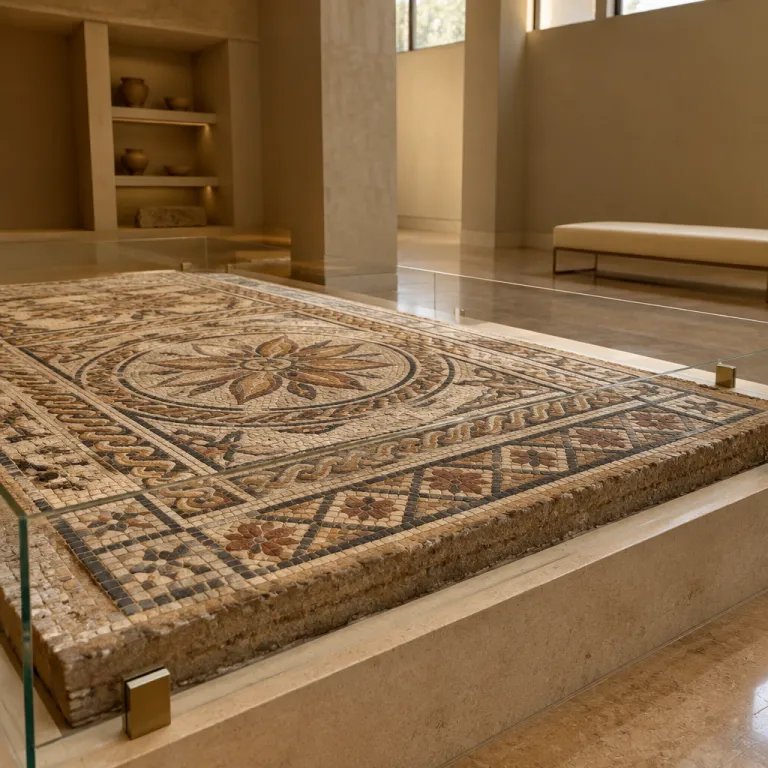
Why roman mosaics in Algeria belong on a world art shortlist
Roman mosaics in Algeria museums form one of the most important ensembles of ancient floor art in north Africa. Across Algeria, from the coastal city of Cherchell to the high plateau around Timgad, the former provinces of the Roman Empire produced mosaics that match the quality of many pieces in Europe’s best known museum collections. For a family staying in a luxury hotel in Algiers or along the coast, these ancient roman works offer a quiet, uncrowded way to step into history and arts without sacrificing comfort.
The reason is geography and power ; this stretch of north African coast once anchored grain routes that fed the Roman Empire, and wealth funded elaborate mosaic programs in villas, bathhouses and public buildings. Today, many of those roman mosaics have been lifted and moved into carefully curated museum antiquities galleries, while others remain in situ at each archaeological site museum, giving you two complementary experiences. When you plan a trip focused on roman mosaics in Algeria museums, you are not chasing a single blockbuster piece but moving through a network of sites where mosaics, sculptures and other antiquities still sit close to their original landscapes.
Families often start in Algiers, where a national museum context helps children understand how Algeria fits into the wider story of north Africa and the Mediterranean. In the capital, galleries dedicated to ancient roman and Islamic periods sit side by side, making it easy to compare a black white geometric mosaic depicting mythological scenes with later Islamic calligraphy and ceramics. This layering of history, from ancient to late century dynasties, is what makes Algeria feel less like an open air textbook and more like a living country where local life continues around these quiet, world class collections.
Algiers, Cherchell and Tipasa: coastal bases for families who love art
For most premium family itineraries, Algiers is the natural base for exploring roman mosaics in Algeria museums along the central coast. The city’s better luxury hotels cluster around the waterfront and the embassy districts, which keeps you close to both the airport and the main national museum collections. From here, day trips fan westward to Cherchell and the coastal ruins near Tipasa, often referred to together as the Algiers Tipasa corridor of ancient sites.
Cherchell, once the capital of Caesarea Mauretaniae, holds one of the most atmospheric museum antiquities collections in north Africa, especially for mosaics. The Cherchell Museum and the nearby Museum Cherchell annex display roman mosaics, statues and reliefs that were unearthed in the town’s villas, including panels where a mosaic depicting marine creatures sits beside another detail mosaic of theatrical masks. Because visitor numbers remain low, families can stand just a metre away from these mosaics, trace the outlines of the tesserae with their eyes and talk quietly without the pressure of crowds or timed tickets.
Many travellers pair this coastal circuit with a contrasting inland journey, such as a Saharan road trip described in guides to the Saharan oasis circuit between Ghardaïa and Timimoun. That combination lets children experience both the maritime side of ancient roman trade and the desert routes that later carried caravans under Islamic dynasties. In practical terms, basing in Algiers for at least three nights gives you time to enjoy hotel pools and room service while still fitting in a full day at Cherchell Museum and a separate excursion to the coastal site museum near Tipasa.
Timgad, Ain Beida and the high plateau: mosaics in their original setting
Move east from the coast and the mood shifts ; the high plateau around Timgad and the region near Ain Beida offer a more rugged backdrop for roman mosaics in Algeria museums. Timgad, sometimes linked with the nearby Beida Timgad area in travel planning, is one of the best preserved grid planned cities of the Roman Empire anywhere in Africa. Here, the pleasure lies in walking through an ancient roman street plan, then stepping into the on site museum where mosaics lifted from houses and bath complexes are displayed just a short distance from where they were first laid.
Families often find that the contrast between open air ruins and indoor galleries keeps children engaged longer than a single, dense museum visit. One moment you are standing on basalt paving stones, looking back toward the north African hills, and the next you are in a cool hall studying a mosaic depicting hunting scenes or the changing winds, sometimes arranged in a cycle reminiscent of the so called mosaic seasons. In some cases, labels explain how these panels once formed part of a larger decorative program, and that sense of context helps older children connect the dots between art, daily life and the wider empire.
The region around Ain Beida and the evocatively named Seasons Ain area features smaller collections where a single detail mosaic can become the focus of an entire visit. These quieter stops pair well with a cultural detour into Kabylie, where guides to the blue and yellow patterns of Kabylie ceramics help families compare roman mosaics with living Berber craft traditions. Staying in a comfortable provincial hotel rather than rushing back to Algiers each night gives you slower mornings, easier pacing for children and the chance to watch how local life in Algeria flows around these ancient sites.
Reading the stones: how to make mosaics meaningful for children
Parents sometimes worry that roman mosaics in Algeria museums will feel static to younger travellers, yet the opposite usually happens when you frame each visit as a story hunt. Start with simple visual games in every museum ; ask children to find a black white border, then a coloured panel, then a mosaic depicting an animal or a ship, and suddenly they are leading you through the galleries. In Algiers and Cherchell, where national museum displays mix mosaics with statues and everyday antiquities, you can build mini narratives about the families who once walked across these floors.
Context helps, so take a moment outside each site museum to point out the surrounding landscape and link it to what you will see inside. At Timgad, for example, the regular street grid and the surviving arches show how carefully the Roman Empire planned its cities in north Africa, and children can then look for the same sense of order in the mosaic seasons panels or in a detail mosaic of a calendar. In coastal Caesarea Mauretaniae, the sea breeze and the fishing boats in modern Cherchell harbour make it easier to imagine why ancient roman patrons commissioned marine themes and why certain gods appear so often in the local arts.
Many families find that alternating ruins with more sensory experiences keeps energy levels steady across a week. A morning at a museum cherchell gallery can be followed by an afternoon on a quiet beach, while a structured visit to a national museum in Algiers might be balanced with a casual stroll through the Casbah where Islamic architecture takes over the visual field. This rhythm respects the attention span of children, yet it still allows adults to appreciate late century stylistic shifts in north African mosaics, from crisp classical lines to more abstract, almost modern looking compositions.
Where to stay: luxury bases that frame Algeria’s ancient art
Choosing the right hotel transforms a circuit of roman mosaics in Algeria museums from an academic exercise into a relaxed family holiday. In Algiers, premium properties along the bay offer spacious suites, reliable room service and concierge teams who understand that guests may want private drivers for day trips to Cherchell Museum or the coastal ruins near Tipasa. Staying central also means you can visit a national museum in the morning, return for a swim and a late lunch, then head out again for an evening walk through the city’s Ottoman and Islamic quarters.
Along the coast west of Algiers, smaller luxury hotels and refined guesthouses near Cherchell give quicker access to the former Caesarea Mauretaniae area and its museum antiquities collections. Here, the pleasure lies in unhurried days where you can linger over breakfast, drive a short distance to a site museum, then return to a terrace overlooking the Mediterranean with a book about north African history. Many properties can arrange knowledgeable local guides who are comfortable explaining both ancient roman art and later Islamic influences, which helps children see continuity rather than isolated periods.
In the high plateau regions around Timgad and Ain Beida, accommodation is simpler but still comfortable if you choose carefully through a curated platform. Look for properties that offer reliable heating, good water pressure and flexible meal times, since early starts make it easier to enjoy the ruins and the beida timgad landscape before the sun is high. When you return from a day tracing the outlines of a mosaic depicting mythological figures or studying a black white geometric border, a hot shower and a hearty local dinner are exactly what turn a demanding cultural itinerary into a trip your family will remember fondly.
Planning your roman Algeria route: seasons, light and logistics
Timing matters when you are building an itinerary around roman mosaics in Algeria museums, especially for families. Autumn and spring usually offer the most forgiving temperatures for walking large archaeological sites like Timgad, where distances between the forum, the theatre and the on site museum can easily add up to several kilometres. In these seasons, the low angle of the sun also brings out the texture of tesserae in a detail mosaic, making colours and patterns easier to appreciate without harsh glare.
Think of your route as a gentle arc across north Africa, starting in Algiers, looping west to Cherchell and the Algiers Tipasa coastal strip, then turning east toward Ain Beida and the high plateau. This pattern mirrors the spread of the Roman Empire across the region, from maritime hubs like Caesarea Mauretaniae to inland grid cities such as Timgad, and it lets you compare how local tastes shaped the arts in each place. Along the way, you will see both formal national museum displays and more intimate museum cherchell style galleries, where a single mosaic seasons panel or a fragment from the late century can hold your attention for a long time.
Transport wise, private drivers or chauffeured cars booked through your hotel are usually the most comfortable option for premium families. Distances between each site museum can be significant, and having a vehicle on standby means you can cut a visit short if children tire or extend it when everyone is captivated by a particular mosaic depicting a hunting scene or a personification of the seasons ain cycle. Algeria rewards this kind of flexible, unhurried travel, and when you match that pace with carefully chosen hotels and a clear focus on roman mosaics, you end up with a journey where ancient art quietly rivals anything you might see in Europe’s busiest museums.
FAQ
Are Algeria’s Roman mosaic sites suitable for children?
Yes, most Roman mosaic sites and museums in Algeria work well for children who enjoy stories and visual puzzles. Open air ruins such as Timgad allow space to roam, while nearby museums offer shorter, focused visits with clear themes like animals, gods or daily life. Combining each cultural stop with relaxed time at your hotel or on the beach keeps the overall rhythm family friendly.
How many days do I need for a Roman mosaic focused trip?
A balanced itinerary usually needs at least seven to ten days to feel unhurried. That allows three nights in Algiers for national museum visits and coastal excursions, plus several nights split between Cherchell and the high plateau around Timgad and Ain Beida. With this duration, you can see major mosaics without rushing and still enjoy hotel amenities.
Do I need a guide to appreciate the mosaics?
A guide is not mandatory, but a knowledgeable local specialist can add depth, especially for older children and art enthusiasts. Many luxury and premium hotels in Algiers and along the coast can arrange English speaking guides who explain iconography, dating and the link between each site and the wider Roman Empire. Self guided travellers can still enjoy the mosaics by focusing on recurring motifs and reading the bilingual labels found in most national museum galleries.
When is the best season to visit Algeria’s Roman sites?
Autumn and spring generally offer the most comfortable temperatures for walking large archaeological sites and exploring museums. Summer heat can be intense on exposed plateaus like Timgad, while winter brings shorter days and occasional rain along the coast. Soft seasonal light in shoulder months also enhances the colours and textures of mosaics during photography.
Where should I base myself for a first Roman Algeria trip?
For a first visit, Algiers makes the most practical base thanks to its international connections, range of luxury hotels and proximity to key museums. From there, day trips to Cherchell and the coastal ruins near Tipasa are straightforward, and a separate two or three night extension to the Timgad region completes a classic circuit. This combination gives a clear overview of Roman Algeria while keeping transfers manageable for families.