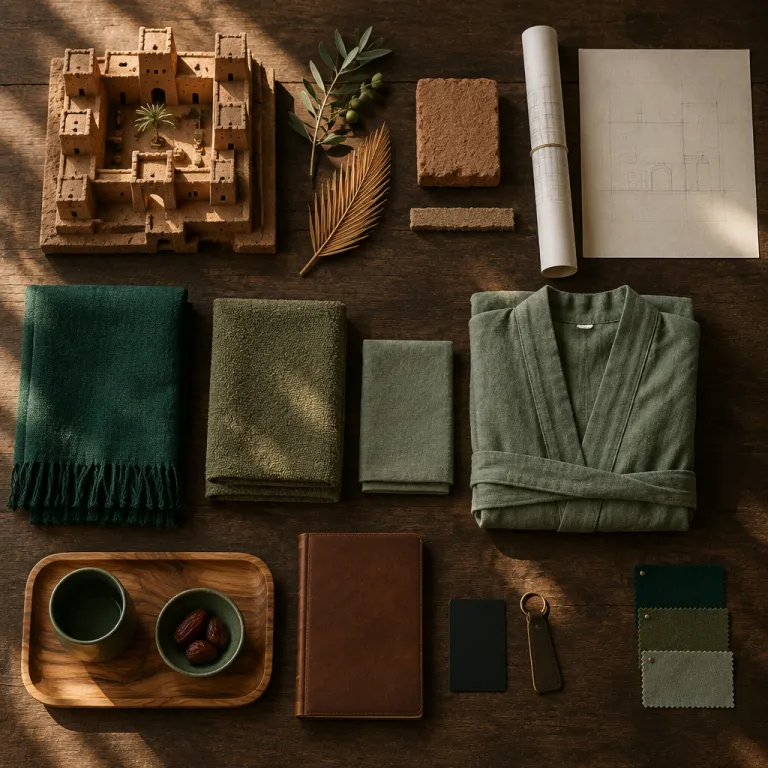
Algeria ksar heritage hotel Sahara: from fortress to romantic suite
A ksar in Algeria is a fortified earthen village built to protect caravans, grain, and families along the edge of the Sahara desert. Its thick mud brick walls, narrow alleys, and layered terraces now lend themselves beautifully to the Algeria ksar heritage hotel Sahara concept, where history shapes every corridor and courtyard. For a couple planning refined travel, these restored ksour offer an atmospheric alternative to a standard overnight stay in a conventional resort.
Across southern Algeria, from Ghardaïa to Timimoun and Taghit, former defensive structures are being carefully adapted into intimate properties that feel both ancient and surprisingly comfortable. In Timimoun, for instance, the restored Ksar de Timimoun overlooks the red dunes, while in Taghit several small guesthouses occupy the old ksar above the palm grove. The best conversions respect the original purpose of the ksar while reimagining granaries as suites, watchtowers as lounges, and palm shaded rooftops as private terraces for sunset drinks. When you book a Saharan heritage stay in one of these ksar hotels, you are not only reserving a room; you are stepping into a living archive of trans-Saharan trade routes and oasis life.
Most travelers first land in Algiers (ALG), then connect by flight from Algiers to the south, arranging a transfer to their chosen ksar through a specialist platform such as MyAlgeriaStay or a local operator like Numidia Tours. Typical flights from Algiers to Ghardaïa (GHA) or Béchar (CBH, for Taghit) take about 1 hour 30 minutes, with onward travel by 4x4 or minibus. Planning each day tour and each overnight with this level of detail helps you move seamlessly from the Mediterranean bay of Algiers to the grand erg landscapes of the deep Sahara.
From oasis walls to warm suites: why ksour work as luxury stays
The architecture of a ksar is inherently suited to hospitality, which explains why the Algeria ksar heritage hotel Sahara model feels so natural. Thick earthen walls provide passive cooling, so even in the heat of the Sahara desert, interiors remain surprisingly temperate without aggressive air conditioning. Multi level layouts create natural privacy, allowing couples to enjoy quiet terraces while still feeling connected to the life of the oasis below.
In Ghardaïa, a day in the old M’zab valley shows how these fortified quarters were designed for community, trade, and worship rather than spectacle. When a ksar becomes a hotel, the best restorations keep that sense of shared space, turning former communal rooms into salons and hammams instead of anonymous corridors. A thoughtful ksar conversion project will also work with local artisans, commissioning carved doors, woven textiles, and palm wood ceilings that echo the original craft traditions of the region. As one Ghardaïa carpenter explained to a visiting couple, “If the palm beams breathe, the house breathes with them,” capturing the philosophy behind many of these Saharan heritage stays.
Couples who plan a day in Ghardaïa, then a day in Timimoun or Taghit, often combine ksar stays with curated excursions to nearby palm groves and dunes. For broader context on Algeria’s hidden gems and luxury stays, it is worth reading this guide to Algeria tourism for discerning travelers before finalizing your itinerary. Whether you arrive via a direct flight to Algiers or connect through another hub, structuring each day tour around sunrise, siesta, and sunset will let you enjoy both the architecture and the desert light at their best.
Taghit, Timimoun, and Béni Abbès: ksour along the erg Occidental
Some of the most atmospheric ksour lie along the western edge of the Algerian Sahara, where the Erg Occidental rolls in waves of sand toward Morocco. Taghit, Timimoun, and Béni Abbès each offer a different expression of the Algeria ksar heritage hotel Sahara experience, shaped by their dunes, palm groves, and caravan history. For couples, this corridor is ideal for a multi day tour that balances comfort with a sense of remoteness.
Taghit sits at the foot of the Grand Erg Occidental, its ochre ksar pressed between cliffs and palm trees, with the Sahara desert rising directly behind. A day in Taghit might start with coffee on a terrace overlooking the palm filled wadi, followed by a guided walk through the old alleys and an afternoon climb up the dunes for sunset. Many travelers choose an overnight stay in or near the ksar, then continue their travel south toward Béni Abbès the next day, often in small group travel arrangements that share a local guide and a dedicated 4x4.
Timimoun, often called the red oasis, is famous for its striking red earth architecture and deep palm groves that stretch toward the horizon. A carefully restored ksar here can feel like a private citadel, with suites opening onto arcaded courtyards and views across the foggara irrigation lines that feed the oasis. For those interested in Algeria’s coastal elegance as well, pairing a Saharan ksar stay with a night in Oran using this guide to coastal luxury in Oran creates a compelling contrast between sea breeze and desert wind.
Ghardaïa and El Golea: UNESCO heritage, saints, and sky wide horizons
While Taghit and Timimoun seduce with dunes, Ghardaïa and El Golea offer a different layer of meaning for an Algeria ksar heritage hotel Sahara itinerary. The M’zab valley around Ghardaïa is listed as UNESCO heritage for its ingenious urban planning, fortified hilltop settlements, and strict use of local materials; it was inscribed on the World Heritage List in 1982. Staying in or near a ksar here lets you experience how architecture, religion, and community governance have intertwined for centuries.
A well planned day in Ghardaïa might include a morning visit to the market, a guided walk through the old town, and an afternoon rest in your ksar style hotel, where the guide will often join you for mint tea on the terrace. Many couples arrange a day tour that links Ghardaïa with nearby oases, then return for an overnight stay that feels both secure and deeply rooted in local life. When booking, ask how the property manages transfer from the airport, whether a transfer to the hotel is included, and how your departure flight from Ghardaïa or Algiers will be coordinated.
Farther west, El Golea sits on a rocky outcrop above a vast palm filled basin, long associated with the missionary and writer Charles Foucauld, whose memory still lingers in local narratives. A day in El Golea, sometimes called a day in Golea by Algerians, can combine a visit to the old fort, a walk through the palm groves, and a sunset drive toward the open desert. For travelers who want to extend their understanding of Algeria’s layered history beyond the Sahara, this feature on reimagined luxury stays in historic Annaba shows how heritage hospitality is evolving on the Mediterranean coast as well.
How to choose a ksar stay: restoration, responsibility, and romance
Not every ksar conversion is equal, and couples seeking an Algeria ksar heritage hotel Sahara experience should look closely at how restoration has been handled. Sensitive projects retain earthen walls, traditional palm beam ceilings, and natural ventilation, adding comfort through discreet plumbing and textiles rather than glossy finishes. When a property over polishes, replacing mud brick with concrete and installing oversized glazing, it risks losing the very qualities that made the ksar special.
Ask specific questions before you travel, especially if you are planning several nights of group travel with friends or another couple. How many rooms are there, and does each suite open onto a shared courtyard or a private terrace; what is the policy on local employment and sourcing; how is water managed in this fragile desert environment. A serious operator will explain how they work with nearby communities in Timimoun, Taghit, or Béni Abbès, how they support maintenance of palm groves, and how they coordinate arrival in Algiers, internal flights, and overland transfer between oases.
For a seamless itinerary, consider starting with arrival in Algiers, spending a day in the capital, then taking a flight from Algiers to Ghardaïa or Adrar with a pre arranged transfer to your ksar. Plan at least one overnight in each region, such as a night in the red oasis of Timimoun, another in Béni Abbès, and a final overnight stay near the dunes of the Grand Erg Occidental. When your departure flight approaches, ensure that your transfer from the hotel to the airport is confirmed the day before, so the last memory of your ksar suite is the scent of palm resin and desert air, not a rushed drive through traffic.
FAQ
What is the difference between a ksar stay and a desert camp
A ksar stay places you inside a historic fortified village, with thick earthen walls, narrow alleys, and proximity to everyday oasis life. A desert camp usually sits out among the dunes, often in the Grand Erg Occidental or similar areas, focusing on isolation, star filled skies, and tented accommodation. Many travelers combine both, using the ksar as a comfortable base and the camp for one dramatic night in the open Sahara desert.
How many days should a couple plan for a ksar focused itinerary
For a balanced trip, couples should plan at least six to eight days, including arrival in Algiers and internal flights. This allows one or two days in Ghardaïa, a day in Timimoun, and additional time in Taghit or Béni Abbès without rushing. With more time, you can add El Golea or coastal cities, but even a shorter itinerary benefits from at least two consecutive nights in one ksar to settle into the rhythm of oasis life.
Is it easy to arrange transfers between Algiers and Saharan ksour
Transfers are straightforward when booked through a specialist agency or a platform focused on Algerian luxury stays. Most itineraries use a flight from Algiers to regional hubs such as Ghardaïa, Timimoun, or Béchar, followed by a private transfer to the hotel. Always confirm both arrival and departure flight details, and ask whether the transfer from the airport to the ksar is included in your rate.
What should couples look for to ensure responsible restoration
Responsible ksar restorations prioritize original materials, such as mud brick and palm beams, and maintain traditional passive cooling instead of relying solely on mechanical systems. They also employ local craftsmen, support maintenance of palm groves, and respect the existing urban fabric rather than demolishing and rebuilding. When in doubt, ask for photos of the restoration process and details about community partnerships before you book.
Is a ksar stay suitable for group travel with friends
A ksar can be an excellent choice for small group travel, especially when you reserve a cluster of suites around a shared courtyard. The layout encourages social time in common spaces while preserving privacy in individual rooms. Just ensure that the property can handle your group size comfortably, including dining, transfers, and guided day tours in the surrounding desert.