Why autumn is the most rewarding season in the Djurdjura
Autumn in Kabylie is when the Djurdjura mountains finally exhale. The heat of summer has slipped back towards the Sahara, leaving a clear, slanting light that flatters every ridge and every fold of this national treasure. For a solo traveler planning an autumn foliage escape in Kabylie’s Djurdjura range, this is the moment when the landscape and the culture align.
On the higher slopes of the Djurdjura National Park, between roughly 1,200 and 2,000 metres, the Atlas cedar and mixed cedar–oak forests shift through muted golds and russets. Above them, peaks such as Lalla Khedidja rise to about 2,308 metres, often catching the first dusting of snow by late November. You walk through pockets of mist in the early day, then watch them burn away to reveal panoramic views across one of the most dramatic national parks in North Africa. The contrast between the cool mountains and the still warm Mediterranean coast gives your trip a rare range of experiences in a single week of travel.
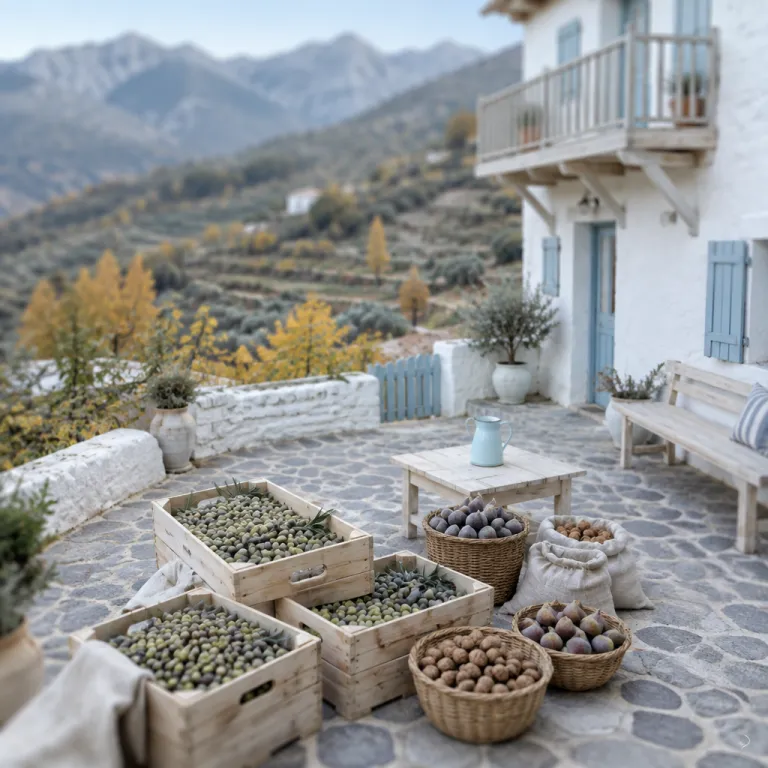
Down in the Kabyle villages, olive groves and fig terraces frame the scene, and the rhythm of the harvest sets the pace of daily life. This is the best time to hear Tamazight spoken in the cafés, to enjoy long lunches where the conversation drifts from local politics to the state of conservation in Algeria’s parks. Luxury minded guests staying in premium mountain hotels can expect to pay a little more for rooms with balconies facing the Djurdjura, yet the reward is a front row seat on one of Algeria’s most subtle seasonal shows.
For travelers used to Algiers or Oran, the Djurdjura feels like a different country within Algeria. The Kabyle culture is assertive and proud, and autumn softens its edges without diluting its character, which makes it ideal for a reflective solo trip. From Algiers, the drive to Tizi Ouzou usually takes around two to three hours, depending on traffic, and from there mountain roads lead into the park in roughly another hour. Before you book, read a current Algeria travel advisory for luxury stays to understand how to move between Algiers and the mountains with confidence, then let your own travel guide instincts take over once you reach Tizi Ouzou.
Trails, wildlife and light: structuring your autumn days
Days in the Djurdjura in autumn are built around the light. Mornings are cool enough for steady walking, while afternoons invite slower exploration of Kabyle villages and their small, family run hotels. For a foliage focused journey through Kabylie and the Djurdjura, think of each day as a layered experience rather than a checklist of attractions.
Start early on the main ridgeline paths inside the Djurdjura National Park, where the air is crisp and the cedar forests hold the last of the night’s chill. In mid October, daytime temperatures in the higher areas often sit between 10°C and 18°C, dropping close to freezing at night by early November. Here, you are in the heart of Algeria’s Djurdjura country, with views that sweep from the mountains down towards the Mediterranean coast on a clear day. The trails are popular with local hikers in summer, but in autumn you often share them only with the wind and the occasional shepherd.
Wildlife is another quiet reason this is the best time for visiting Djurdjura. Barbary macaques move through the trees in small groups, and a patient observer may see a solitary animal watching from a rock outcrop above the path. With luck and a respectful distance, you might also glimpse the elusive golden wolf crossing a firebreak or hear it at night from your lodge near the park boundary. Birdlife is active in the softer light, with raptors circling on thermals above the cliffs.
Because this is a national park, you should treat it with the same respect you would give to any protected area in North Africa. Stay on marked routes, keep food away from Barbary macaques, and ask your hotel or local travel guide to recommend licensed mountain guides if you want to push deeper into the mountains. Park staff and guides can usually be contacted through visitor centres near main access points, and permits for standard day hikes are typically handled on the spot. For a broader sense of Algeria’s protected landscapes, compare the Djurdjura with another of the country’s national parks by reading about a Tassili National Park luxury stay and its Saharan art, then decide how you want to balance forested mountains and desert plateaus in your overall trip.
Harvest season hospitality and where to stay in Kabylie
Autumn is harvest time in Kabylie, and that changes the way hospitality feels. Olive presses work late into the night, figs dry on rooftops, and conversations in Kabyle and Arabic spill from village squares into the small lounges of mountain hotels. For a solo explorer, this is when a Djurdjura autumn journey becomes less about scenery and more about human connection.
In and around Tizi Ouzou, you will find a growing range of premium hotels that understand what discerning guests expect to pay for in terms of comfort and discretion. Many properties now offer rooms with balconies or terraces facing the Djurdjura mountains, turning sunrise into a private show of shifting colour over the national park ridges. Ask for a room on a higher floor if you want unobstructed panoramic views, and confirm whether heating is included in the rate, because nights can be surprisingly cold.
Further into the Kabyle villages, accommodation tends to be smaller and more personal, with a few high end guesthouses that quietly meet luxury standards without advertising themselves loudly. One owner near a cedar forest trail might tell you, “In October we live between the mill and the mountain,” as they pour new season olive oil over still warm flatbread. You may share a long table with a family returning from the groves, tasting that fresh oil while they talk about how the Djurdjura has changed since their childhood. This is where Kabyle culture feels most alive, and where a solo traveler can enjoy genuine hospitality without feeling managed.
From a budget perspective, autumn is often kinder than peak summer, especially if you avoid Algerian public holidays and weekends. You can expect to pay mid range prices in Tizi Ouzou for four star comfort, while more remote properties may offer better value in exchange for simpler facilities. If you are combining the Djurdjura with Algeria’s Roman attractions, consider planning your route so that a stay near Djemila or Timgad fits between Algiers and Kabylie, using a practical guide to Algeria’s Roman cities to structure that part of your trip.
Planning your Kabylie autumn itinerary and what to pack
Planning a Kabylie and Djurdjura foliage itinerary starts with understanding the rhythm of the season. Days are shorter than in summer, yet the middle of the day can still feel warm in the sun, especially on exposed slopes. Build your trip around two core bases, one near Tizi Ouzou for easier access and one deeper in the mountains for immersion.
Use Tizi Ouzou or another gateway town as your first stop, where you can adjust to the pace of Kabyle life and fine tune your plans with local advice. From there, arrange transfers through your hotels into higher altitude areas of the Djurdjura National Park, which reduces the stress of driving unfamiliar mountain roads. Many luxury properties now offer private drivers who know the national parks network well and can suggest quiet viewpoints for photography. Travel times between villages are often under two hours, but winding roads and weather can slow progress, so allow extra margin in your schedule.
For packing, think in layers rather than heavy gear, because conditions shift quickly between sunlit terraces and shaded cedar forests. A light down jacket, a windproof shell, and a warm hat will cover most situations, while sturdy shoes are essential for even short walks near viewpoints in the park. Bring a small day pack for water and snacks, and remember that respectful clothing is appreciated in Kabyle villages, especially if you are invited into family homes.
Finally, treat this part of Algeria as a place to slow down rather than to chase a list of top attractions. One day might be devoted to a long walk among Atlas cedar stands and quiet encounters with Barbary macaques, another to lingering in cafés and watching village life unfold. If you approach the Djurdjura as a national landscape to live in for a few days rather than a park to tick off, your travel will feel richer, and the memories of golden slopes and evening conversations will outlast any photograph.
FAQ
What is the best time in autumn to visit the Djurdjura for foliage ?
The best time for foliage in the Djurdjura usually falls from mid October into early November, when the cedar forests and mixed woodlands show the most colour. Earlier in autumn, temperatures are warmer and days are longer, which suits travelers who want to combine hiking with time on the Mediterranean coast. Later in the season, you gain moodier light and quieter trails, but you should be ready for colder evenings in the mountains, especially above 1,500 metres.
How many days should I plan for a Kabylie and Djurdjura trip ?
A focused Kabylie and Djurdjura trip works well over four to six days, giving you time for both mountain walks and village life. With four days, you can base yourself near Tizi Ouzou and add one deeper mountain stay, while six days allow a slower rhythm with more time in Kabyle villages. If you are combining this with Algiers or other regions of Algeria, consider adding extra nights to avoid rushing between national parks and cities.
Is the Djurdjura National Park suitable for solo travelers ?
The Djurdjura National Park is well suited to solo travelers who are comfortable with independent travel and basic mountain safety. Trails near popular viewpoints are used by local walkers, and many hotels can arrange licensed guides for longer routes. As always in North Africa, you should share your plans with your accommodation, carry a charged phone, and avoid hiking alone in poor weather.
What wildlife might I see in the Djurdjura in autumn ?
In autumn, patient visitors may see Barbary macaques in the forests, often moving in small groups near the edge of clearings. The golden wolf is present but elusive, and most travelers will only see tracks or hear distant calls rather than encounter the animal directly. Birdlife is varied, and you may notice raptors using the thermals above the mountains, especially on clear days with strong light.
What should I expect to pay for luxury hotels in Kabylie ?
Prices for luxury hotels in Kabylie vary by location and season, but autumn often sits below peak summer rates. In and around Tizi Ouzou, you can expect to pay mid to upper range nightly prices for properties with strong comfort levels and mountain views. More remote guesthouses may offer better value, trading some facilities for closer contact with Kabyle culture and the Djurdjura landscape.