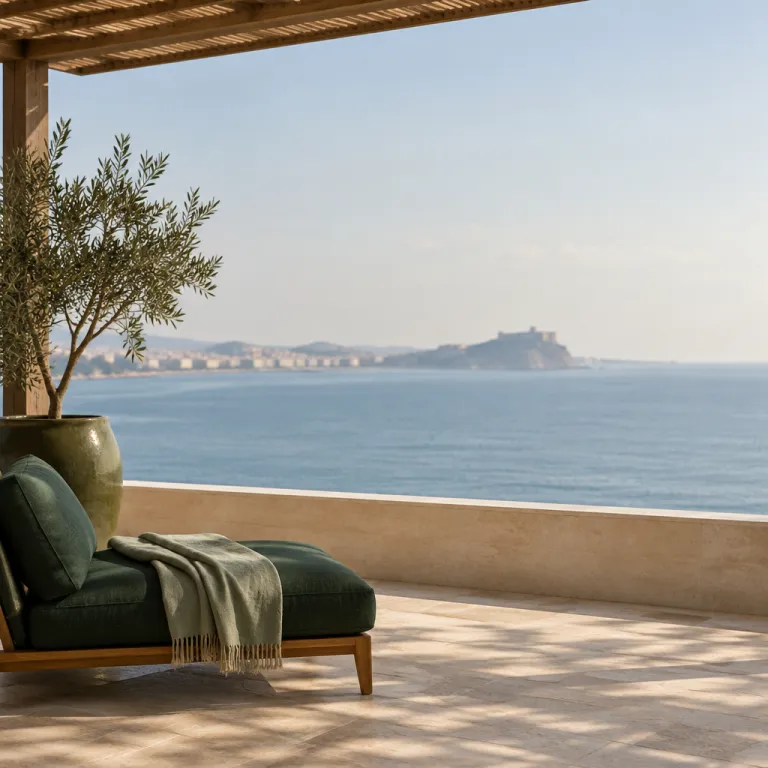
Oran, coastal city of light and layered history
Oran is a coastal city on the northwestern shore of Algeria, facing the Mediterranean with a confident, sunlit elegance. The city has grown into the second largest urban centre in the country, with the wider metropolitan area home to around 1.4 million residents in 2022 according to the Algerian National Office of Statistics. Despite this scale, Oran feels energetic yet still intimate, and daily life reflects a blend of Algerian traditions, French influences, and echoes of Spanish heritage.
Walking through the city, you sense how history and geography shaped Oran into a crossroads between continents and cultures. Merchants, students, and port workers have long been drawn here for trade, education, and maritime activity, turning this Mediterranean city into a natural hub for premium stays and refined experiences. Many visitors pair Oran with the capital Algiers, comparing how each coastal metropolis expresses a different face of Algerian identity.
The history of Oran includes moments of intense conflict, from earlier regional struggles to its role in the Second World War. During Operation Torch in November 1942, Allied forces landed near Oran and Algiers, leaving traces that military history enthusiasts still explore in the city and surrounding area. Today, luxury hotels such as the Four Points by Sheraton Oran and the Royal Hotel Oran rise where war once disrupted daily life, and the press often highlights how major investments in hospitality are reshaping this port into a sophisticated leisure destination.
Oran’s Mediterranean setting defines its rhythm, with the sea acting as both backdrop and stage for daily life. The city’s demographic profile skews young, and this energy feeds into a lively café culture, a growing technology scene, and a flourishing arts calendar. For travellers, this means that premium hotels in Oran can offer not only sea views but also immediate access to a vibrant urban experience that feels authentically Algerian.
When you study a detailed map of Oran, you notice how the metropolitan area stretches from the commercial port up towards the hills crowned by historic fortifications. Each neighbourhood tells a different part of the city’s story, from Spanish-era remnants to French colonial avenues and contemporary Algerian developments. Choosing the right luxury hotel becomes a way to curate your own chapter of life in Oran, aligning your stay with the district that best matches your interests.
From fort Santa Cruz to hidden coastal gems around Oran
High above the city, the fort Santa Cruz dominates the skyline and offers one of the most striking views in Algeria. This historic complex, originally shaped by Spanish engineers in the sixteenth century and later modified under French rule, overlooks the bay and the entire metropolitan area of Oran. Many high-end hotels arrange private transfers or guided visits, allowing guests to experience the history of Oran without logistical stress.
The road up to Santa Cruz reveals how residents have adapted to the steep hills, with houses clinging to the slopes and small cafés opening onto panoramic terraces. From this vantage point, you see Oran located between sea and mountains, a coastal city whose geography explains both its strategic importance and its enduring charm. On clear days, the Mediterranean horizon seems endless, and you understand why different empires fought war after war for control of this harbour.
Beyond the fort itself, the coastline around Oran hides small coves and lesser-known beaches that feel far removed from the bustle of the largest city centres. Luxury travellers often combine a stay in Oran with a tailored excursion to these coastal gems, arranged through concierges who know which stretches of sand remain quiet even in October or November. Some high-end properties now integrate concrete sustainable practices, such as energy-efficient lighting, water-saving systems, and support for local environmental initiatives in Algeria.
History enthusiasts will appreciate how the story of Operation Torch connects Oran with Algiers and other Mediterranean cities that played roles in the Second World War. Local guides often explain how this wartime period accelerated urban development, port expansion, and later population growth, gradually reinforcing Oran’s status as the second largest city in Algeria. Today, this history coexists with a modern hospitality scene where upscale hotels offer spa suites, rooftop pools, and refined Algerian gastronomy.
For travellers planning their stay, it helps to study a regional map that includes Oran, the capital Algiers, and nearby cities such as Mostaganem on the coast or Tlemcen inland. This broader perspective clarifies how the population is distributed and why Oran’s major transport links make it a practical base for exploring western Algeria. Whether you arrive in October for softer light or in November for quieter streets, the city rewards those who look beyond the obvious viewpoints and seek its more discreet coastal retreats.
Neighbourhoods, culture, and where to stay in Oran
Choosing the right neighbourhood in Oran can transform a simple hotel booking into a deeply textured travel experience. The historic centre near the port reflects layers of Spanish, French, and Algerian architecture, with narrow streets opening suddenly onto wide squares. Here, life in Oran feels dense and theatrical, and premium hotels often occupy restored buildings that frame views of the Mediterranean and the bustling city below.
Further inland, newer districts reveal how the metropolitan area has expanded as the city’s population increased over recent decades. These neighbourhoods tend to host larger properties with generous room sizes, modern technology, and easy access to business zones, making them ideal for travellers who combine work and leisure in Algeria. Families often appreciate these areas for their quieter streets, proximity to parks, and straightforward access to shopping centres and cultural venues.
For guests travelling with children, several high-end properties in Oran now align with the broader national trend towards family-friendly luxury. You can compare options and understand this evolution better through resources such as this guide to family hotels in Algeria, then apply the same criteria when evaluating Oran’s premium addresses. Look for spacious suites, interconnecting rooms, and concierge teams experienced in arranging age-appropriate activities across the city and coastal area.
Cultural life in Oran thrives in theatres, music venues, and cultural centres that often highlight both Algerian and French language performances. The city’s artistic scene reflects its history as a meeting point between different Mediterranean cultures, with Spanish and North African influences visible in music, dance, and visual arts. One local theatre director described a recent autumn festival as “a way for Oran to speak in all its languages at once,” capturing the city’s multilingual, multicultural spirit.
Neighbourhood choice also shapes how you experience daily life in Oran, from early morning walks along the seafront to late evening dinners in traditional restaurants. Some travellers prefer to stay close to the historic core, where the density of residents and visitors creates a constant sense of movement and sound. Others opt for elevated districts near Santa Cruz, where views over the Algerian coastline and the wider metropolitan area offer a calmer, more contemplative stay.
Spanish, French, and Algerian layers in Oran’s urban story
Oran’s identity cannot be understood without acknowledging the Spanish period, when fort Santa Cruz and other defences were built to control the bay. These Spanish influences remain visible in certain street names, architectural details, and even in local stories passed down through generations. Later, French colonial rule reshaped the city, adding wide boulevards and administrative buildings that still structure movement through the metropolitan area today.
The transition from colonial rule to independent Algerian governance transformed Oran from a strategic outpost into a proudly national city. As the population figures shifted, many residents from surrounding rural areas moved into Oran, contributing to the growth that helped make it the second largest city in Algeria. This demographic change also enriched life in Oran, bringing diverse regional cuisines, dialects, and artistic expressions into the urban fabric.
During the Second World War, Oran and Algiers became central to Allied strategy in North Africa, particularly during Operation Torch. The wartime period left physical traces in the port and surrounding area, but it also accelerated the development of infrastructure that still benefits travellers today. Modern roads, expanded port facilities, and later airport improvements all contribute to Oran’s role as a major transport hub within western Algeria.
Today, the city’s cultural institutions often highlight this layered history through exhibitions, guided walks, and public lectures. Visitors interested in the broader context can compare Oran with the capital Algiers, noting how each Mediterranean city expresses different balances between French, Spanish, and Algerian heritage. Luxury hotels frequently collaborate with local guides and historians, curating bespoke itineraries that move beyond surface-level sightseeing.
For many travellers, the most memorable moments come from simple encounters that reveal everyday life in Oran rather than grand historical narratives. A morning coffee in a café where the press is read in both French and Arabic, or an evening stroll where you hear Spanish words mixed into Algerian conversations, can feel as revealing as any museum visit. When you choose a premium hotel that understands this cultural richness, the property becomes not just a place to sleep but a lens through which the city’s complex history comes into focus.
Modern Oran: technology, business travel, and premium comfort
Beyond its historic core, Oran has emerged as a dynamic centre for business, education, and technology in western Algeria. The metropolitan area hosts universities, research centres, and growing technology companies that attract professionals from other Algerian cities and sometimes from abroad. This influx of business travellers has encouraged the development of luxury and premium hotels equipped with advanced meeting facilities, high-speed connectivity, and refined executive services.
For corporate guests, the city’s position as the second largest urban centre after the capital Algiers offers clear advantages. Oran’s major transport links, including Ahmed Ben Bella International Airport (ORN) and its busy commercial port, make it easier to connect with other cities in Algeria and across the Mediterranean region. Multiple daily flights between Oran and Algiers, often operated by Air Algérie and Tassili Airlines, typically take less than one hour of flight time, and many high-end properties now provide dedicated business floors, multilingual staff, and concierge teams trained to coordinate complex itineraries.
Leisure travellers also benefit from this business-focused infrastructure, enjoying reliable technology, efficient services, and extended opening hours in many establishments. Life in Oran has adapted to a more international rhythm, with cafés, restaurants, and cultural venues staying open late into the evening, especially in October and November when the climate remains pleasant. Premium hotels often act as gateways to this lifestyle, offering curated restaurant recommendations and arranging private transfers across the main urban districts.
For those interested in combining coastal relaxation with inland exploration, Oran can serve as a refined starting point. Travellers who wish to extend their journey towards the desert can consult resources such as this guide to planning a Sahara expedition and luxury desert camps, then coordinate with their Oran concierge to arrange domestic connections. This combination of sea-facing comfort and desert adventure highlights the geographic diversity of Algeria and the flexibility of its premium hospitality sector.
As Oran continues to grow, urban planners and hoteliers face the challenge of balancing development with heritage preservation. The metropolitan population is projected to increase, reinforcing the city’s status as a major urban area while also putting pressure on infrastructure and coastal ecosystems. Discerning travellers can support responsible growth by choosing hotels that prioritise sustainability, respect for local communities, and transparent communication about their environmental and social commitments.
Planning your luxury stay: practical tips for Oran and beyond
When planning a luxury stay in Oran, timing matters as much as location. The Mediterranean climate means that October and November often provide comfortable temperatures, softer light, and fewer crowds than peak summer months. During these periods, life in Oran feels relaxed yet animated, and premium hotels may offer more attractive rates or added-value packages.
Start by studying a detailed map of Oran and its surrounding area to understand how the metropolitan zone is structured. Identify whether you prefer to stay near the port, in the historic centre, or in elevated districts closer to Santa Cruz and other hillside viewpoints. Each zone offers a different balance between proximity to nightlife, ease of transport, and access to quieter residential streets where the density feels less intense.
Next, consider how Oran fits into your broader itinerary across Algeria and the Mediterranean region. Many travellers combine a stay in Oran with time in the capital Algiers or other coastal cities, using domestic flights or rail connections to move between these urban centres. When you compare options, remember that Oran is the second largest city in the country, making it a natural hub for both leisure and business travel.
For guests interested in history, ask your hotel to arrange guided visits that connect Oran’s landmarks with wider regional narratives. Tours that include fort Santa Cruz, Operation Torch sites, and key locations from the wartime period can provide context that deepens your appreciation of the city’s present-day character. Cultural itineraries might also include references to figures such as Saint Laurent and Yves Saint Laurent, whose family roots in Oran link the city to global fashion history.
Finally, pay attention to how each property communicates its values, whether through its website, direct communication, or coverage in the press. Luxury today is not only about marble lobbies and sea views but also about how hotels engage with the local community, support Algerian artisans, and integrate sustainable practices into daily operations. By choosing thoughtfully, you help shape the future of Oran as a coastal city where premium hospitality, cultural depth, and responsible development coexist in a way that benefits both travellers and residents.
Key figures and travel statistics for Oran
- The metropolitan area of Oran is widely recognised as the second largest urban concentration in Algeria after Algiers, with estimates often placing the wider population at well over one million residents according to national demographic data from the Algerian National Office of Statistics.
- Oran’s port ranks among the most important Mediterranean gateways for Algeria, handling a significant share of the country’s maritime trade and supporting both passenger ferries and cargo operations as reported by Algerian transport authorities.
- Domestic air links between Oran and the capital Algiers are frequent, with multiple daily flights operated by national and private carriers, typically taking less than one hour of flight time according to airline schedules.
- Tourism and hospitality reports from Algerian regional authorities indicate that Oran has seen steady growth in hotel capacity over the past decade, particularly in the four and five star segments that cater to both business and leisure travellers.
- Climate data from meteorological services show that average daytime temperatures in Oran during October and November often range between 18 and 24 degrees Celsius, conditions that many travellers consider ideal for urban exploration and coastal walks.
FAQ about luxury and premium stays in Oran
Is Oran a good alternative to Algiers for a luxury city break ?
Oran is an excellent alternative to the capital Algiers for travellers seeking a coastal city with strong cultural character and a more compact metropolitan area. The city offers a growing selection of premium hotels, refined dining, and easy access to landmarks such as fort Santa Cruz. Many visitors appreciate that Oran combines urban energy with a relaxed Mediterranean atmosphere that feels distinct from larger capitals.
Which neighbourhoods in Oran are best for high end hotel stays ?
The historic centre near the port suits travellers who want to be close to cultural sites, traditional markets, and seafront promenades. Elevated districts overlooking the bay, including areas on the slopes leading towards Santa Cruz, appeal to guests who prioritise panoramic views and quieter surroundings. Newer business-oriented zones on the edges of the metropolitan area often host larger properties with extensive facilities and easy road access.
How many days should I plan for a luxury stay in Oran ?
Most travellers find that three to four days allow enough time to explore Oran’s main sights, enjoy its culinary scene, and relax in their chosen hotel. This duration works well if you also plan to visit Algiers or other Algerian cities on the same trip. Guests interested in deeper historical or coastal excursions may prefer to extend their stay to five or six nights.
Is Oran suitable for families seeking premium accommodation ?
Oran is increasingly suitable for families, with several high-end hotels offering spacious suites, interconnecting rooms, and child-friendly services. The city’s seafront promenades, parks, and cultural venues provide varied activities for different age groups. Parents should check in advance which properties offer dedicated family amenities and whether they can arrange tailored excursions suitable for children.
When is the best time of year to book a luxury hotel in Oran ?
Spring and autumn are often considered the most comfortable seasons for a luxury stay in Oran, thanks to mild temperatures and softer light. October and November can be particularly pleasant, with fewer crowds and often more availability in premium properties. Summer remains popular for beach-oriented travellers, but higher temperatures and increased demand may affect both pricing and overall atmosphere.
Sources : Algerian National Office of Statistics, Algerian Ministry of Tourism, World Bank data on urban populations in North Africa.