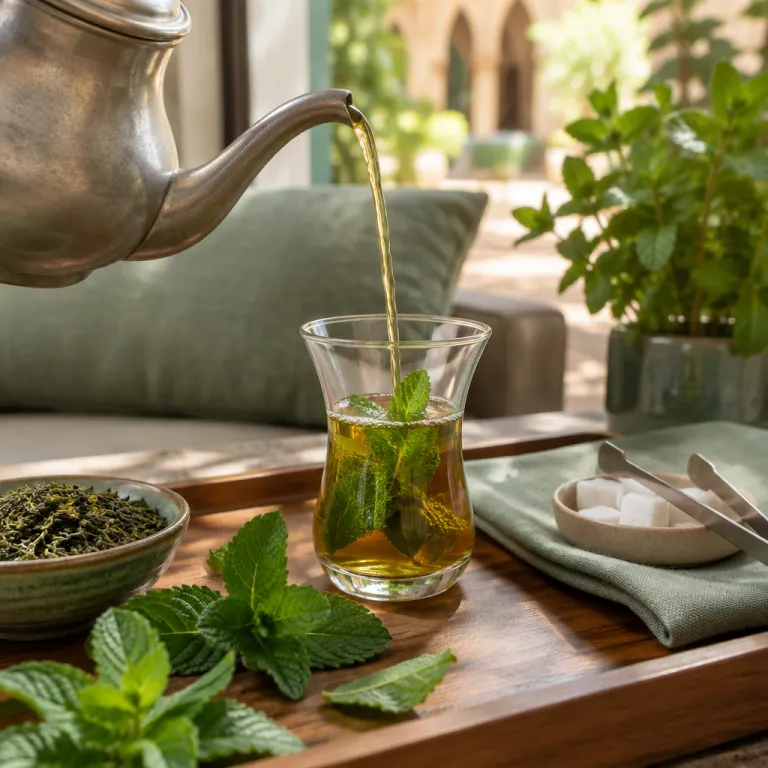
Algerian mint tea ritual hospitality in a luxury travel context
In Algeria, a glass of mint tea is the quiet heartbeat of welcome. The algerian mint tea ritual hospitality shapes how hosts receive guests, how conversations begin, and how time itself seems to slow in both city palaces and Saharan lodges. For couples booking premium stays in Algeria, understanding this tea ceremony turns each drink into a deeper connection with place and people.
The ritual usually starts with a small metal pot, green tea leaves and fresh mint arranged with care on a low tray. Boiling water is poured over the gunpowder green tea, then swirled and sometimes discarded, before more water and mint leaves are added to coax out a layered flavor that balances bitterness and sugar taste. In many north African homes and luxury riad style guesthouses, this first step is almost meditative, a bridge between the outside world and the intimacy of the salon.
In Algiers, Oran or Constantine, you will often see tea served in slim glasses that catch the light, the green hue of the drink glowing against intricate arabic patterns. The host lifts the pot high, letting the liquid fall in a thin stream, aerating the mint tea and creating a delicate froth that is considered part of the national aesthetic of hospitality. This algerian tradition is shared across north Africa, yet in Algeria the rhythm of pouring and serving has its own understated elegance that luxury hotels are now weaving into their guest experience.
Many premium properties in Algeria position the algerian mint tea ritual hospitality as a welcome moment at check in, especially for couples arriving from long flights across north America or Europe. The drink is not just a refreshment ; it is a signal that you have entered a slower, more attentive space where conversation matters. When tea served in the lobby comes with a quiet explanation of its history and symbolism, the experience feels less like a hotel amenity and more like an initiation into north african social codes.
High end concierges in Algiers often arrange private tea ceremony demonstrations with local families or tea masters, especially for guests curious about the links between Algeria, Morocco and Tunisia. These sessions highlight how moroccan mint traditions, moroccan tea customs and algerian mint variations share roots yet diverge in details such as glass shapes, sugar levels and the use of regional herbs. For couples, this becomes a shared ritual of learning, where each glass of tea green or green tea opens another chapter in the intertwined history of morocco algeria and algeria tunisia.
The choreography of pouring: height, froth and the pace of the day
Watch closely as an algerian host prepares mint tea and you will notice a precise choreography. The pot is lifted, the stream of drink arcs through the air, and the tea lands in the glass with a soft hiss that signals both skill and care. This movement is central to the algerian mint tea ritual hospitality, turning a simple infusion into a performance that luxury hotels now stage in lounges, terraces and private suites.
The height of the pour is not a showy trick but a way to aerate the green tea and coax a smoother flavor from the gunpowder green leaves. When boiling water meets leaves sugar and fresh mint, the resulting foam on top of the glass is prized in many north african cultures as a sign of a well made tea. In Algeria, that froth also sets the tempo of conversation, giving guests a moment to pause, inhale the aroma and adjust to the slower rhythm of tea north traditions.
Couples staying at coastal resorts along the Mediterranean, especially during the quieter shoulder seasons, often find that the tea ceremony structures their day more than any scheduled activity. A late morning glass of moroccan mint style tea in Algiers, followed by an afternoon algerian mint infusion in Oran, creates a gentle pattern that frames sightseeing and spa time. Articles such as the guide to the Mediterranean shoulder season coast often highlight how this slower pace, anchored by tea, is one of the region’s quiet luxuries.
In premium hotels, staff trained in traditional tea ceremony etiquette will often adjust the sugar taste and strength of the drink according to the time of day. Morning tea green infusions might be lighter, with fewer mint leaves and less sugar, while evening glasses lean sweeter, encouraging lingering conversations in candlelit lounges. This sensitivity to timing and taste is part of why algerian mint tea ritual hospitality resonates so strongly with couples seeking both comfort and cultural depth.
Even in high rise business hotels in north Algeria, where schedules can be tight, the act of tea served from a polished pot into delicate glass cups creates a small island of calm. The repetition of pouring, tasting and refilling becomes a counterpoint to the rush of meetings, reminding guests that in north africa, true luxury often lies in the ability to slow down. For travelers used to quick coffee culture, this measured rhythm of mint tea offers a different, more relational way to mark time.
Tea as social language: etiquette, meaning and unspoken invitations
Being offered mint tea in Algeria is rarely a casual gesture. Within the broader north african context, and especially in algerian cities and villages, the drink functions as a social language that signals respect, curiosity and sometimes negotiation. For couples navigating luxury stays, reading this language can transform each encounter with tea into a more nuanced experience of algerian mint tea ritual hospitality.
Accepting a glass of green tea or moroccan mint style infusion usually means accepting a moment of shared time, not a quick refreshment. Hosts may refill the glass several times, and the number of rounds often reflects the depth of the conversation rather than any fixed rule from history or religion. In many arabic speaking households across north africa, refusing tea without a clear reason can be read as declining the relationship itself, which is why hotel staff will often gently encourage guests to sit, sip and stay.
Luxury properties in Algiers, Tlemcen and Ghardaïa increasingly train their équipes to explain this etiquette to international visitors, especially couples from the United States who may be used to faster service. When tea served in the lobby or on a rooftop terrace comes with a short explanation of its role in algerian tradition, guests feel more confident about how long to linger, when to accept refills and how to comment on the flavor. Guides to Kabylie ceramics and pottery often note that the same attention to detail seen in blue and yellow patterns appears in the engraved glass and metalwork used for tea.
In private guesthouses and high end desert camps, tea north customs can be even more layered, especially when hosts come from Amazigh, arabic or mixed backgrounds. A tray with multiple glasses, a tall pot and carefully arranged mint leaves may indicate that the evening will unfold slowly, with stories, music and perhaps a simple meal. Couples who embrace this pace often report that these unhurried tea ceremony evenings become the emotional highlight of their stay in Algeria.
Across morocco algeria and algeria tunisia, the shared culture of mint tea creates a subtle bridge between borders, yet each country inflects the ritual with its own codes. In Algeria, the balance between sugar taste and the slightly smoky character of gunpowder green tea is often less intense than in some moroccan tea traditions, which can feel very sweet to first time visitors. Understanding these nuances allows travelers to ask informed questions, request adjustments and engage with hosts as curious guests rather than passive consumers.
From Casbah rooftops to Saharan camps: where couples feel the ritual most
Some of the most memorable expressions of algerian mint tea ritual hospitality unfold in places that already feel cinematic. In the Casbah of Algiers, small guesthouses and restored Ottoman era homes often serve mint tea on rooftop terraces that look over the bay and the whitewashed city. The combination of sea air, the scent of fresh mint and the clink of glass against metal creates a sensory frame that couples rarely forget.
High end coastal resorts, such as the Sheraton Club des Pins in Staouéli, have begun to integrate traditional tea ceremony elements into their Mediterranean facing lounges and private cabanas. When you book a refined stay through a curated platform like myalgeriastay.com’s guide to Sheraton Club des Pins, you can expect staff who understand both international service standards and local tea customs. This blend of global polish and algerian tradition allows couples to move seamlessly from spa treatments to sunset tea without losing the thread of cultural authenticity.
Farther south, in oasis towns such as Timimoun or Taghit, the green of mint leaves and the deep amber of tea green infusions stand out vividly against red sand and adobe walls. Here, tea served in simple glass cups under a desert sky can feel more luxurious than any elaborate tasting menu, especially when the boiling water is heated over charcoal and the pot bears the patina of long use. The contrast between the stark landscape and the gentle ritual underscores how north africa’s harshest environments often nurture its warmest hospitality.
In these Saharan settings, the line between moroccan tea, algerian mint and broader north african practices becomes fluid, shaped more by caravan routes and family ties than by modern borders. Couples may find themselves sharing a drink with Tuareg guides, arabic speaking hosts and francophone travelers, all gathered around the same tray of glasses and leaves sugar. Each refill of mint tea becomes a small act of shared presence, a reminder that in this part of north africa, the simplest drink can carry the greatest emotional weight.
Even in lesser known coastal towns and mountain villages, often described as hidden gems in Algeria travel guides, the presence of a steaming pot and the scent of tea mint signal that you are welcome to pause. Luxury today is not only about thread counts and infinity pools ; it is also about being invited into these quiet, everyday ceremonies. For couples who value intimacy and authenticity, seeking out stays where the algerian mint tea ritual hospitality is lived rather than staged can be the most rewarding choice.
Practical guidance: how to engage with the Algerian tea ritual as a couple
Approaching the algerian mint tea ritual hospitality with curiosity and respect will enrich every stage of your trip. When booking luxury or premium hotels in Algeria, look for properties that mention traditional welcome drinks, cultural experiences or north african hospitality programs in their descriptions. These signals often indicate that tea is treated as a meaningful ritual rather than a generic amenity.
On arrival, accept the first offer of mint tea whenever possible, unless you have a medical reason to decline caffeine or sugar. You can always ask discreetly for less sugar taste or request that the green tea be brewed more lightly, and most algerian hosts will appreciate your interest in the flavor balance. If you prefer, mention that you enjoy the taste of fresh mint and would like the drink to highlight the herb rather than the sweetness.
During your stay, consider scheduling at least one dedicated tea ceremony experience, whether in a Casbah house, a Kabylie mountain lodge or a Saharan camp. Many high end hotels in north Algeria can arrange private sessions where you learn to handle the pot, judge the temperature of the boiling water and pour into the glass from the traditional height. These hands on moments often become shared memories that couples recall long after the details of room categories and check in times have faded.
When exploring the wider region, remember that morocco algeria and algeria tunisia share a tea north heritage, yet each destination expresses it differently. In some moroccan mint traditions, for example, the drink may be sweeter and the ceremony more theatrical, while in many algerian settings the ritual feels quieter and more introspective. Paying attention to these distinctions will help you appreciate how a single drink can carry multiple layers of history, identity and regional pride across north africa.
Finally, treat every tray of glasses, every swirl of tea green and every handful of mint leaves as an invitation to slow down together. In a travel landscape often dominated by speed and spectacle, the steady rhythm of algerian mint tea ritual hospitality offers couples a different kind of luxury : shared time, attentive conversation and a deeper sense of belonging in Algeria. Let the simple act of tea served with care become the thread that ties your journey through this north african country into a coherent, quietly unforgettable story.
FAQ about Algerian mint tea and hospitality
Is Algerian mint tea the same as Moroccan mint tea ?
Algerian mint tea and moroccan mint tea share core elements such as green tea, fresh mint and sugar, and both belong to a wider north african tradition. In Algeria, the balance between the smoky notes of gunpowder green tea and the sugar taste is often slightly less intense than in some moroccan mint preparations. Glass shapes, serving trays and the overall pace of the tea ceremony can also differ subtly between Algeria and Morocco.
Why is tea so important in Algerian hospitality ?
Tea functions as a social language in Algeria, signaling welcome, respect and a willingness to share time. The algerian mint tea ritual hospitality turns a simple drink into a structured encounter, where the act of pouring, tasting and refilling creates space for conversation. In both urban hotels and rural homes across north africa, being offered mint tea usually means being invited into a relationship, not just being served a beverage.
Can I ask for less sugar in my Algerian mint tea ?
Yes, most hosts and hotel staff in Algeria are happy to adjust the sugar taste if you ask politely. You can request that the leaves sugar be reduced or that the green tea be brewed more lightly, especially if you are sensitive to sweetness. Explaining that you want to appreciate the flavor of the fresh mint often helps frame the request as cultural curiosity rather than rejection.
Where can couples experience the tea ritual most memorably in Algeria ?
Couples often find the ritual most atmospheric on Casbah rooftops in Algiers, in Kabylie mountain lodges and in Saharan oasis camps around Timimoun or Taghit. High end coastal resorts near Algiers also offer refined versions of the tea ceremony, sometimes paired with Mediterranean views and spa experiences. Choosing properties that highlight traditional hospitality or curated cultural programs increases the chances of a meaningful tea experience.
Is Algerian mint tea always made with gunpowder green tea ?
Gunpowder green tea is widely used across north africa for mint tea because its rolled leaves and robust flavor stand up well to sugar and fresh mint. However, some households and hotels in Algeria may experiment with other green tea varieties while keeping the core ritual intact. The key elements remain the combination of tea, mint, boiling water and attentive serving, rather than a single fixed type of tea leaf.
Sources
Office National du Tourisme Algérien ; Ministère du Tourisme et de l’Artisanat d’Algérie ; UNESCO reports on Mediterranean and North African intangible cultural heritage.